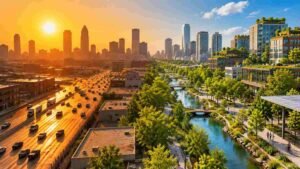
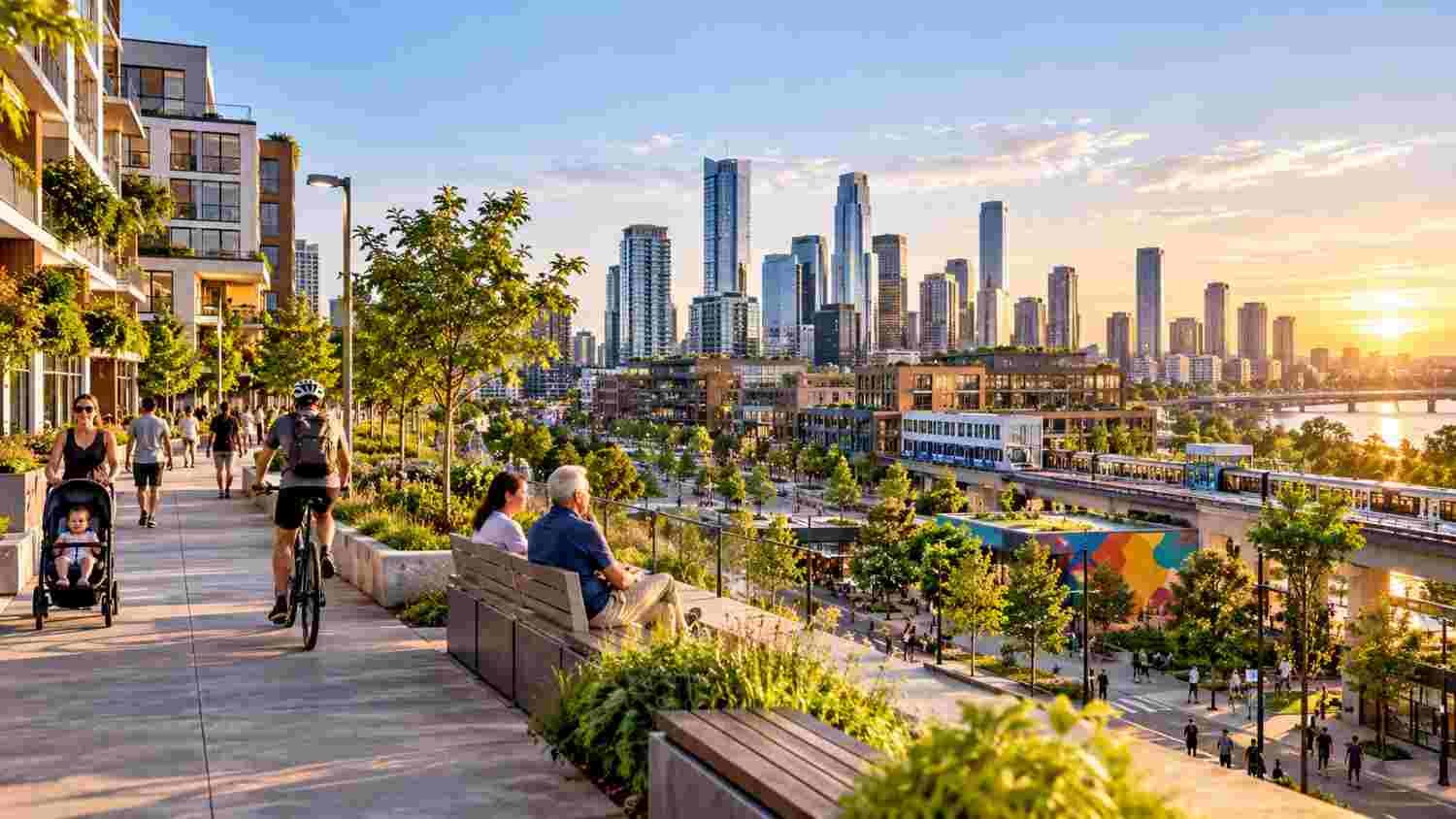
I have noticed that a city can look prosperous from a distance while everyday life tells a different story. New apartment towers, shopping districts, and wider roads may signal progress, yet some residents still struggle with expensive rent, unreliable transportation, and limited access to parks or health services. These contrasts reveal something easy to overlook: urban growth can create opportunities without making them equally accessible.
I have also come to see that the location of development matters as much as its scale. A new neighborhood may offer modern housing, but its benefits shrink when residents must spend hours commuting or travel far for basic services. Equitable urban development in rapidly growing cities requires planners to look beyond construction targets and ask a more practical question: who benefits from change, and who risks being left behind?
Plan Growth Before Sprawl Takes Hold
When populations expand quickly, development often spreads beyond existing infrastructure. Homes appear on the urban fringe, roads struggle to keep pace, and essential services arrive late. Residents may gain shelter but face long journeys to work, school, and healthcare. Retrofitting these areas later can cost more than planning them properly from the start.
Cities can guide growth toward connected corridors, established neighborhoods, and carefully selected areas for higher-density development. Mixed-use districts can place homes, shops, schools, and public spaces closer together. A connected street network also gives emergency services, buses, cyclists, and pedestrians more reliable routes.
Density alone, however, does not guarantee fairness. Poorly planned high-rise districts can lack open space, affordable homes, or adequate utilities. Good spatial planning coordinates building approvals with water systems, drainage, schools, parks, and other public investments. It also protects ecologically sensitive land rather than treating every undeveloped parcel as a construction opportunity.
Protect Affordable Housing and Existing Communities
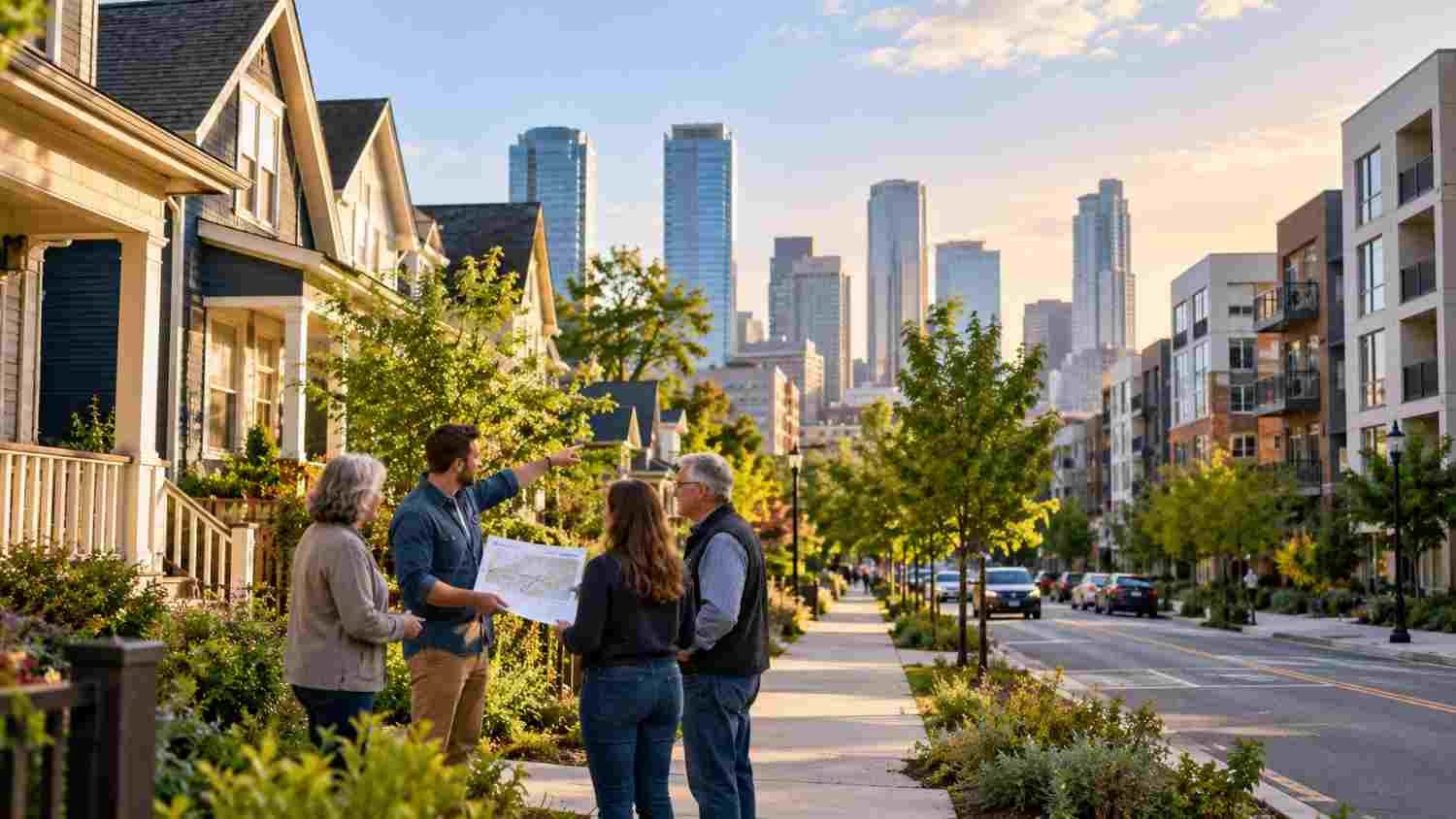
Rising land values can turn neighborhood improvement into a source of displacement. New transit stations, parks, and commercial projects may attract investment, but they can also increase rents and property taxes. Residents who endured years of underinvestment may find themselves unable to afford the neighborhood once it becomes more desirable.
Cities need housing policies that preserve affordability alongside new construction. Inclusionary zoning can require qualifying developments to include affordable units, while rental assistance and eviction mediation can help households facing sudden financial pressure. Property tax relief and home repair programs can also support eligible long-term homeowners who might otherwise be forced to sell.
Community land trusts offer another option. These organizations hold land for community benefit and use long-term arrangements to keep homes affordable beyond a single buyer or owner. Their success depends on suitable funding, sound governance, and clear eligibility rules.
Redevelopment should also involve renters, informal occupants, and small businesses before decisions become irreversible. Relocation assistance matters, but preventing avoidable displacement is better. A project should not be considered equitable simply because the finished buildings look better if the people who depended on the original neighborhood can no longer stay.
Connect Transportation With Everyday Opportunities
Transportation determines how much of a city residents can realistically use. A low-cost home far from employment may become expensive once fuel, fares, and commuting time are included. People with disabilities, shift workers, caregivers, and households without cars can face additional barriers when services are infrequent or routes do not match daily needs.
Cities should coordinate housing and transit decisions instead of planning them separately. Reliable bus networks, rail connections, safe sidewalks, protected bicycle routes, and accessible stations help residents reach jobs and essential services. Equitable urban mobility planning for low-carbon cities can reduce transport emissions while making daily travel more affordable and convenient.
Transit-oriented development can support compact neighborhoods around major transport connections. However, improved accessibility must not become an excuse for unchecked rent increases. Affordable housing requirements, tenant protections, and community participation should accompany major transit investments. Otherwise, lower-income households may be pushed away from the very stations intended to improve their access.
Use Land Data to Guide Fairer Investment
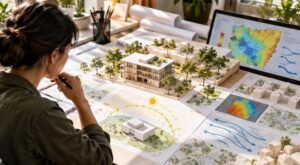
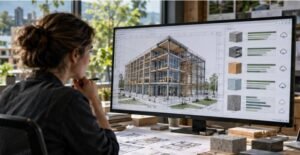
Urban planning decisions become stronger when officials understand which neighborhoods lack essential services and face the greatest risks. Geographic information systems, housing surveys, infrastructure records, and community mapping can reveal gaps that citywide averages hide. A city may report broad improvements while particular districts still lack reliable drainage, nearby clinics, or safe public spaces.
Effective data-driven land use planning under climate change combines spatial evidence with local knowledge. Maps can identify flood-prone housing, areas exposed to extreme heat, and neighborhoods where development is outpacing water or sewer capacity. Planners can then prioritize drainage upgrades, shade, cooling spaces, and resilient infrastructure where the need is greatest.
Data alone cannot determine what a community values. Residents should help interpret findings, flag missing information, and challenge decisions that overlook lived experience. Cities must also protect personal information and avoid using incomplete datasets to label neighborhoods unfairly. Transparent criteria make investment decisions easier to explain and evaluate.
Make Climate Resilience Part of Social Equity
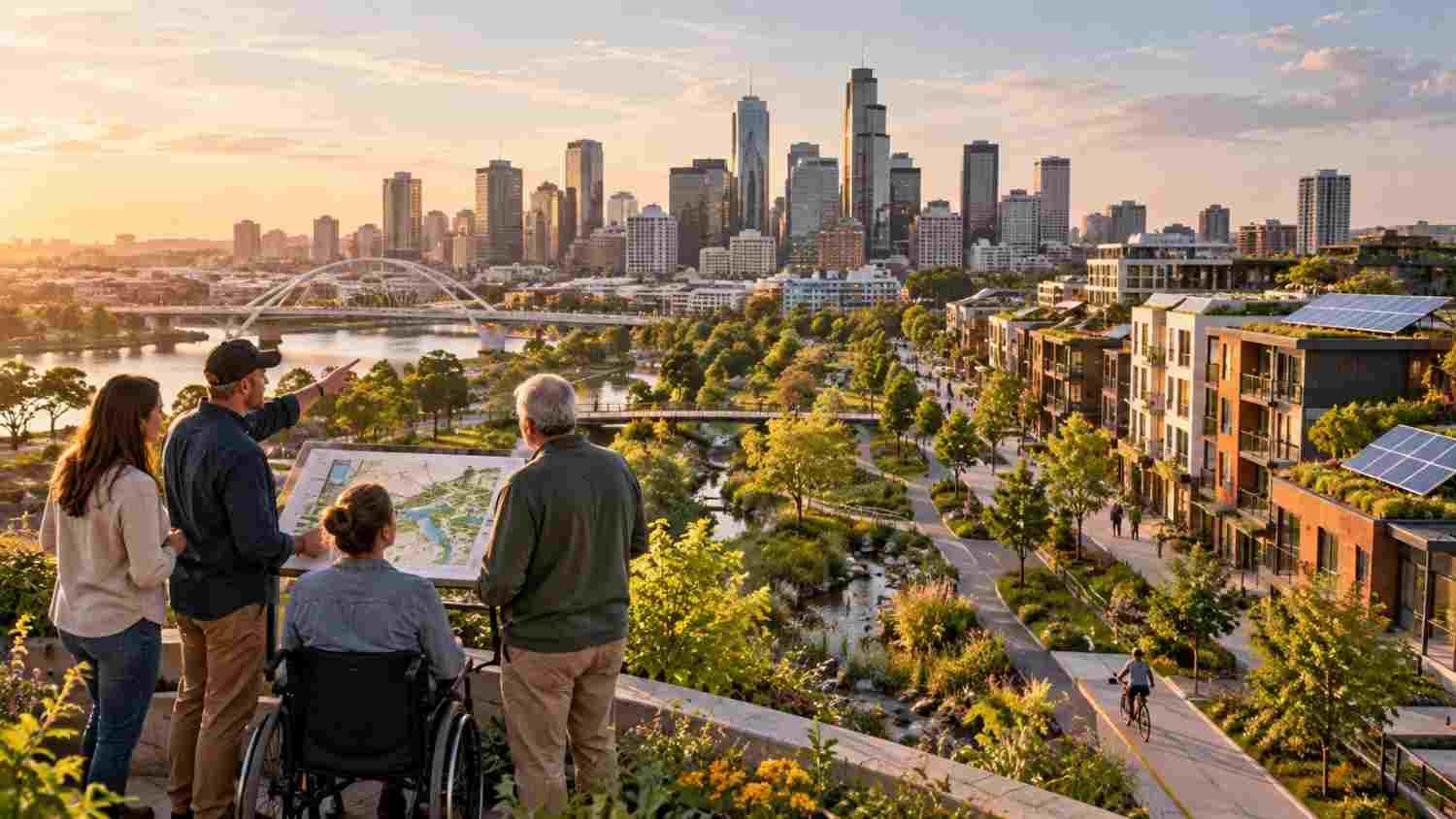
Climate risks rarely affect every resident equally. Families living in poorly insulated homes may experience more dangerous indoor heat, while households in flood-prone areas may lack insurance or savings for repairs. When extreme weather damages roads, housing, and utilities, people with fewer resources often have the hardest time recovering.
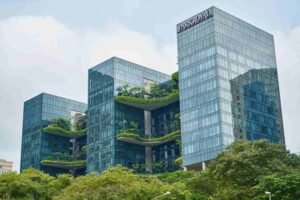
Green infrastructure can reduce these pressures when projects are designed for local conditions. Trees provide shade, permeable surfaces help manage stormwater, and restored wetlands can reduce some flood risks. Cities should combine these measures with dependable drainage, emergency planning, resilient buildings, and accessible cooling centers.
Investment must reach vulnerable neighborhoods before disasters occur, not only after damage makes headlines. Planners should also consider whether environmental improvements could raise housing costs and displace residents. Climate adaptation works best when it protects both the physical neighborhood and the people who call it home.
Give Residents a Meaningful Role in Decisions
Public participation should begin before a project is finalized. Residents understand local travel patterns, unsafe crossings, flooding hotspots, informal care networks, and the businesses that keep a neighborhood functioning. Their knowledge can expose problems that technical assessments miss.
Cities can offer accessible public meetings, neighborhood workshops, participatory budgeting, and partnerships with trusted community organizations. Meetings should accommodate different languages, working schedules, and accessibility needs. Officials should explain which suggestions they accepted, which they rejected, and why.
Economic development also needs local accountability. Community benefit agreements can establish negotiated commitments around hiring, training, or neighborhood investment when major projects proceed. These agreements work best when goals are measurable, responsibilities are clear, and communities can monitor progress.
FAQs: How Cities Can Achieve Equitable Urban Development in Rapidly Growing Cities
1. What does equitable urban development mean?
It means ensuring residents can access safe housing, transportation, public services, economic opportunities, and healthy environments, regardless of income or neighborhood.
2. Why can rapid urban growth increase inequality?
Housing demand, rising land prices, uneven infrastructure, and poorly connected neighborhoods can concentrate benefits among wealthier residents while increasing costs for others.
3. How can cities protect residents from displacement?
Cities can combine affordable housing requirements, rental assistance, eviction prevention, community land trusts, and support for eligible long-term homeowners.
4. How can planners measure urban equity?
They can track housing cost burdens, travel times to jobs, access to healthcare and parks, service reliability, climate exposure, and displacement rates. Results should be compared across neighborhoods and income groups.
Better Cities Begin With Who Gets to Thrive
Equitable development requires cities to treat housing, transportation, public health, climate resilience, and economic opportunity as connected responsibilities. No single policy can solve every challenge, and local conditions will shape which approaches work best. Still, transparent decisions, reliable evidence, long-term investment, and meaningful resident involvement give cities a stronger foundation for managing growth fairly.
A growing city succeeds when progress improves everyday life for the people already there, while creating room for future residents to thrive.