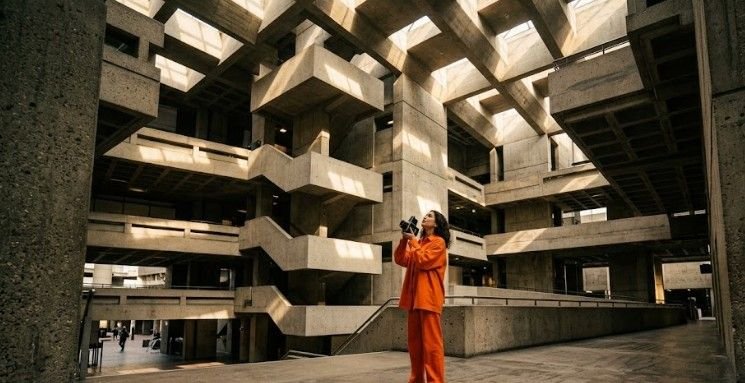
Walking past a towering, raw concrete structure in the heart of the city always makes me pause to take in its sheer, unyielding scale. There was a time when these monolithic concrete forms were written off as grim eyesores of a bygone era.
Yet, walking through urban design hubs today, it becomes impossible to ignore the massive cultural shift that explains why brutalist architecture is so popular among modern creators. The stark, geometric giants that once defined post-war municipal planning are suddenly the most celebrated landmarks on the design landscape
Key Takeaways
- Post-war urban resilience and public utility drive Brutalism’s structural foundation.
- Structural honesty and unpolished concrete challenge modern digital homogenization.
- High-contrast geometric shapes create ideal visual content for digital media.
- Preservation movements protect these massive landmarks from real estate demolition.
- Adapting raw materials into modern interior spaces provides psychological permanence.
Defining the Bold Concrete Movement
To truly appreciate this monumental style, we have to look past the modern internet trends and explore the raw foundations of urban case studies. The term itself is often misunderstood as a reflection of a harsh, unforgiving attitude toward city dwellers. In reality, the name traces its roots to the French phrase béton brut, which translates directly to raw concrete.
This structural movement emerged as a definitive design philosophy during the mid-20th century. Pioneers of modern design sought an authentic way to rebuild damaged cities without hiding structural elements behind expensive veneers or decorative facades. They wanted the bones of the building to be completely visible to the public.
The Ethical Framework of Early Design
Every case study from this era reveals that the style was driven by deep social ethics rather than simple aesthetic preferences. Architects focused heavily on building massive public spaces, low-cost housing complexes, and expansive universities that felt open and accessible to all citizens.
The structural design explicitly prioritized function, durability, and open community gathering zones over elite ornamentation.
Global Variations in Urban Materials
While raw concrete is the undisputed signature material of the movement, global case studies show a fascinating variety of local textures. In the United Kingdom, designers frequently left the rough grain of wooden casting boards stamped directly into the drying concrete surfaces.
Meanwhile, unique institutional designs across North America integrated heavy brickwork and massive steel support beams to add regional character to these civic monuments.
Unpacking the Cultural Renaissance
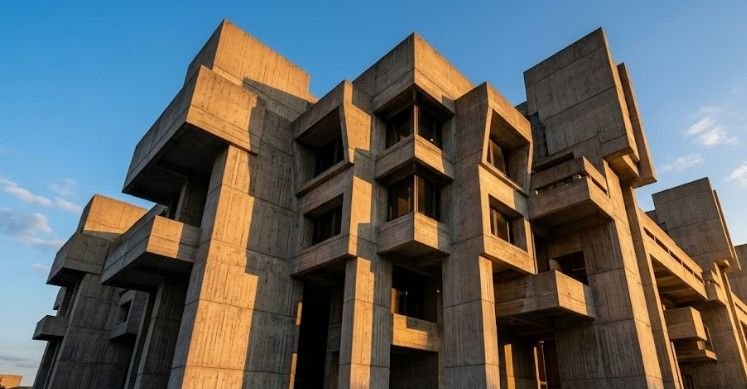
Understanding why this style captures our collective imagination today requires looking closely at how our modern visual landscape has shifted. For decades, urban planning leaned heavily into sleek glass skyscrapers and generic, commercial corporate boxes.
This widespread structural repetition has left design enthusiasts craving something that feels solid, tangible, and deeply authentic.
The Contrast of Digital Spaces
Our daily environments have become incredibly polished, lightweight, and increasingly digital. Against a backdrop of clean algorithms and minimalist white phone screens, the heavy textures of raw aggregate act as a sudden wake-up call for the senses.
The rough, unyielding surfaces demand a physical, emotional reaction that a smooth glass curtain wall simply cannot replicate.
Architectural Preservation as Activism
Local communities are actively fighting to save these historic structures from the constant threat of commercial real estate redevelopment. Landmark properties like the pre-war council estates and massive municipal halls are no longer viewed as disposable concrete blocks.
Instead, urban activists treat them as invaluable historic artifacts that represent an optimistic era of public investment and architectural experimentation.
Why We Need Concrete Monsters Today
Admitting you love massive gray monoliths might make your friends raise their eyebrows, but modern culture absolutely needs this uncompromising raw energy. In a world full of disposable trends and flimsy plastic objects, digging into why is brutalist architecture so popular is essential for saving our cities from boring conformity.
We need these heavy concrete statements to challenge our sanitized design standards and remind us what true material courage looks like.
The Power of Digital Visualization
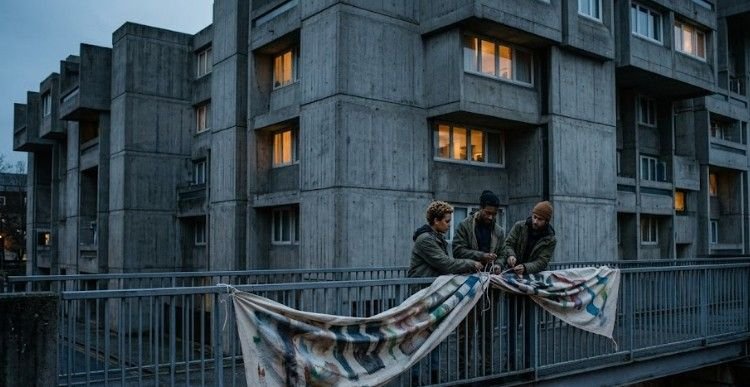
It is impossible to discuss the modern comeback of this style without highlighting the massive role played by digital visual media. Platforms built entirely on imagery have completely transformed how the public interacts with heavy public infrastructure.
The very features that once made these buildings seem intimidating to passersby make them absolute masterpieces through a camera lens.
The sweeping, rhythmic repetition of structural pillars and recessed window bays creates incredibly dramatic highlights and deep shadows. When photographed during the golden hour, these raw concrete surfaces capture the natural light in a way that smooth materials never could.
The stark, uncompromising silhouettes provide an ideal geometric background for modern lifestyle and fashion photography.
The Rise of Neo-Brutalist Web Design
This physical aesthetic has successfully broken out of the physical world and entered the realm of modern user interface development. Digital creators are actively rejecting the soft, rounded corporate styles that have dominated the internet for the last decade.
Modern web designers use harsh layouts, exposed HTML grid structures, and unpolished typography to capture the rebellious spirit of raw concrete.
Changing Perceptions of Materiality
The younger generation of design students views these monumental properties with a sense of wonder rather than historical fatigue. Free from the negative political associations of the late 20th century, modern observers appreciate the structural purity of the work.
They view the exposed mechanical systems and unpainted structural columns as a courageous celebration of engineering reality.
Practical Steps for Architectural Application
Integrating the principles of why is brutalist architecture so popular into modern spaces requires focusing heavily on material integrity and structural weight. You do not need a multi-million dollar civic budget to bring the timeless grounding energy of this style into contemporary design case studies.
To apply this raw aesthetic to a residential or commercial space, begin by stripping away unnecessary cosmetic coverings to expose the authentic building materials underneath. Leave structural brickwork unplastered, allow support columns to remain bare, and highlight the utilitarian hardware of the property.
Select oversized, functional furniture items crafted from solid timber, blackened iron, or cast concrete to establish a clear sense of permanence. Finally, maximize the interplay of natural light by using deeply recessed windows or strategic directional spotlights that cast bold, geometric shadows across these textured surfaces.
Architectural Case Study Dynamics
Looking at specific urban case studies helps clarify how these massive structures function within a modern metropolis. It promotes mid century modern architecture. The longevity of these spaces proves that raw, heavy construction can adapt beautifully to changing societal needs over multiple generations.

The Salk Institute for Biological Studies
Located on the coast of California, this iconic facility perfectly demonstrates the deep emotional power of raw material honesty. The designer beautifully paired sweeping walls of smooth, unpainted concrete with warm, natural teak wood panels.
The central open courtyard guides the eye directly toward the Pacific Ocean, showing how a massive structure can harmonize perfectly with the natural landscape.
Habitat 67 in Montreal
This radical residential complex completely redefined the possibilities of low-rise high-density urban living by stacking prefabricated concrete modules like blocks. The brilliant geometric arrangement ensures that each individual apartment enjoys a private rooftop terrace and an abundance of natural light.
Decades after its construction, this project remains a prime case study for forward-thinking urban housing design.
Frequently Asked Questions
1. What is the point of Brutalist architecture?
The point was to build highly functional, transparent, and democratic public infrastructure. By showcasing raw materials, architects focused on social utility and created highly accessible spaces that rejected elitist ornamentation.
2. Why is Brutalism so hated?
Many detractors associate the unyielding gray concrete with urban decay, economic depression, and cold institutional neglect. Weathered concrete also catches dark rain stains easily, which makes buildings look gloomy without upkeep.
3. Which city has the most Brutalist architecture?
London holds one of the dense collections globally due to massive post-war reconstruction projects. Other major architectural hubs displaying these heavy styles include Washington, D.C., Paris, and numerous cities across Eastern Europe.
4. Why is brutalism frowned upon?
It is often criticized for its massive scale that easily overwhelms surrounding human neighborhoods. Critics argue that the harsh forms feel cold, uninviting, and completely disconnected from historical street traditions.
The Permanent Impression of Raw Design
Ultimately, the reason why is brutalist architecture so popular today comes down to our deep human desire for authenticity in an increasingly superficial world. These massive concrete structures remind us that great urban design should be brave, transparent, and built to stand the test of time.
By looking closely at these historic case studies, we can find inspiration to build a more grounded, structurally honest future for our cities.