
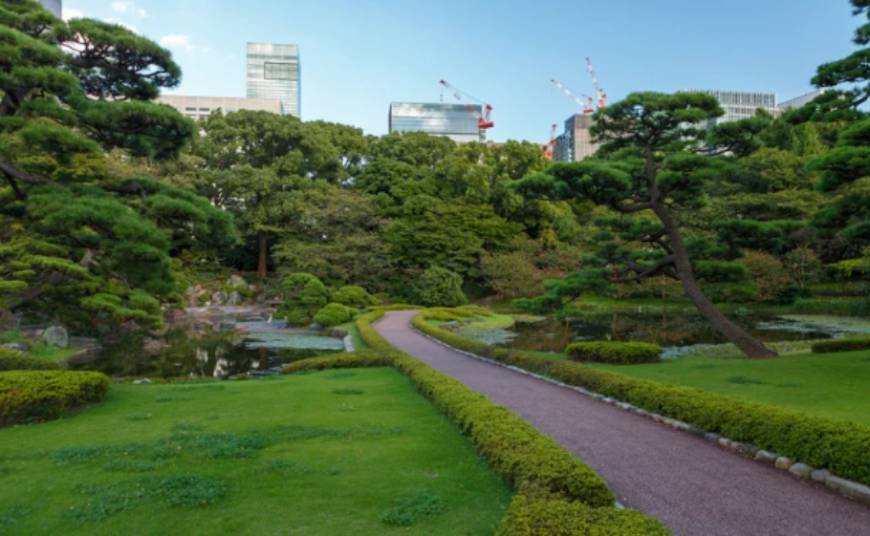
I used to treat city parks and neighborhood plazas as places to pass through between errands. Once I started stopping, even briefly, familiar blocks became more interesting. A shaded bench offered a lunch break, while a waterfront path turned an ordinary evening into something worth repeating.
Learning how to enjoy public spaces in your city starts with noticing what is already nearby. You do not need an expensive itinerary or an entire Saturday. You need a welcoming place, an activity that suits your mood, and enough time to settle in.
Look Beyond Your Nearest Park
Public spaces include more than lawns and playgrounds. Consider downtown squares, riverwalks, pedestrian streets, public library grounds, and neighborhood greenways.
The buildings and structures surrounding these shared spaces also contribute to a city’s environmental footprint, making strategies for reducing embodied carbon in building design relevant to more sustainable urban development.
Start with your municipal parks website, library calendar, or downtown district map. Look for places within a comfortable walk, wheelchair roll, bike ride, or transit trip. Short journeys make repeat visits easier.
Check access before leaving. Some courtyards and community gardens have limited hours, while privately owned plazas may have specific rules. Public access does not mean every activity is allowed.
Choose Comfort Before Popularity
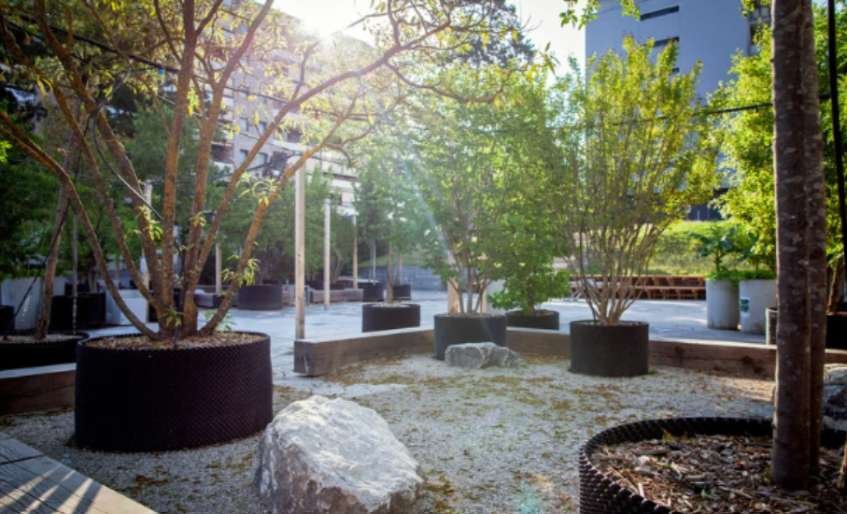
The busiest destination is not always the best fit. A smaller plaza with shade and comfortable seating may suit you better than a crowded landmark.
Check the Features That Matter
Look for benches, accessible entrances, maintained paths, restrooms, and drinking fountains. If you use a mobility device or bring a stroller, check route details rather than assuming every entrance is accessible.
Notice the surrounding streets, too. Convenient crossings and nearby transit can make a place easier to reach and enjoy.
Match Your Visit to the Conditions
Try a quieter morning for reading or a livelier afternoon for watching neighborhood activity. Check weather, local air-quality alerts, opening hours, and temporary closures.
Choose sun or shade according to the season. A pleasant spring lunch spot may feel uncomfortable during a humid July afternoon.
Give Yourself Something Simple to Do
A useful answer to how to enjoy public spaces in your city is to bring one small purpose without scheduling every minute.
Enjoy Time Alone
Read a chapter, sketch a building, listen to birds, or watch how sunlight changes a familiar street. You can also sit without producing anything.
For a gentle observation exercise, notice three architectural details, two sounds, and one feature that makes the space comfortable. Put your phone away briefly if that helps you pay attention.
Make Meeting Friends Easier
Suggest a picnic, a short walk, or a conversation on a shaded bench. Agree on a clear meeting point, especially in larger parks.
Bring a familiar card game where tables are available. Keep equipment modest and leave enough room for other visitors to use shared seating.
Find Free Activities Through Local Calendars
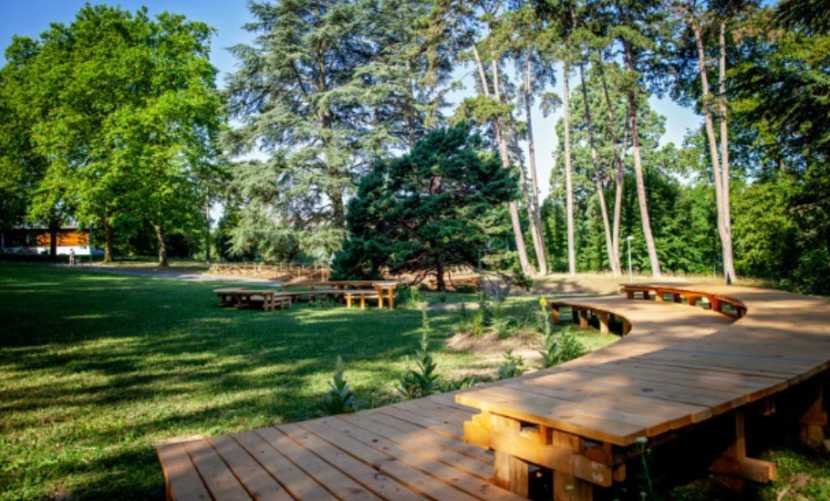
Municipal recreation departments and public libraries are useful starting points for outdoor concerts, walking groups, seasonal festivals, and community programs.
Check the organizer’s current listing for registration, accessibility information, weather cancellations, and equipment requirements. Free admission does not necessarily include rentals, refreshments, or every activity.
Bryant Park in Manhattan offers examples of how one place can accommodate reading, games, creative activities, and informal relaxation. Use that variety as inspiration when exploring your own neighborhood.
Browse farmers markets without assuming you need to shop. Enjoying the atmosphere can be enough, provided you respect vendors’ working space.
Notice How Design Shapes Your Experience
Public-space design becomes easier to understand when you connect it to your comfort.
Trees can provide shade.
Biophilic design takes this connection between nature and the built environment further by incorporating natural elements into spaces where people gather, as explored in this biophilic design case study and strategy.
Movable chairs offer choices about where to sit. A fountain, public artwork, or game table can give people something to notice together.
Observe whether paths follow convenient routes, seating accommodates different needs, and traffic feels separated from places to linger.
The materials used in public buildings and surrounding infrastructure also influence their environmental impact, making these sustainable building materials for low-carbon construction worth exploring when considering more sustainable urban spaces.
These details help explain why some spaces invite longer visits.
You can borrow a simple exploration idea: identify several reasons to return to one location. Your list might include a pleasant view, a comfortable seat, an interesting mural, and a convenient walking loop.
Build Visits Into Your Existing Routine
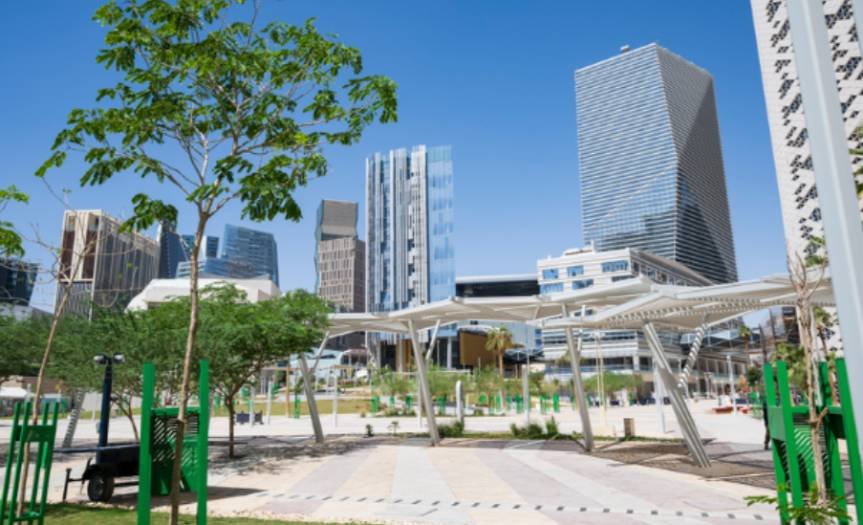
Start with a fifteen-minute stop after a library visit or before your bus arrives. Eat a packed lunch outside once a week when conditions allow.
For a longer outing, connect two nearby places with an accessible route. Walk through a neighborhood square, pause beside public art, then finish at a waterfront overlook.
Return at different times. A quiet weekday plaza may host a weekend event, while a busy playground may have a peaceful nearby seating area.
Keep a short list of dependable places for different moods: somewhere sociable, somewhere quiet, and somewhere convenient.
Share the Space Considerately
Keep pathways, ramps, and entrances clear. Follow posted rules about dogs, bicycles, food, and amplified sound.
Pack out your trash, avoid feeding wildlife, and ask before photographing identifiable strangers at close range. Use headphones at a volume that lets you remain aware of your surroundings.
If you notice broken seating or blocked access, report it through the appropriate municipal service.
Frequently Asked Questions
1. How can beginners learn how to enjoy public spaces in your city?
Start with one nearby location and one easy activity. Check access information, bring what you need, and plan a short visit before trying somewhere farther away.
2. Can I enjoy these places alone?
Yes. Reading, sketching, walking, observing architecture, and resting are worthwhile solo activities. Choose a setting and visiting time that feel comfortable for you.
3. Are public spaces always free?
Many are free to enter, but parking, equipment rentals, special events, or reserved facilities may cost money. Check official information before planning your outing.
Make Room for Everyday Discovery
I’ve learned that enjoying my city does not always require a new destination. Sometimes, it means giving a familiar place more attention and allowing myself to linger. A few quiet minutes beneath a tree or a conversation in a neighborhood square can make an ordinary day feel richer.
I want to make these small pauses part of my routine. Each visit gives me another chance to notice seasonal changes, appreciate thoughtful design, and feel more connected to the neighborhood I call home.