
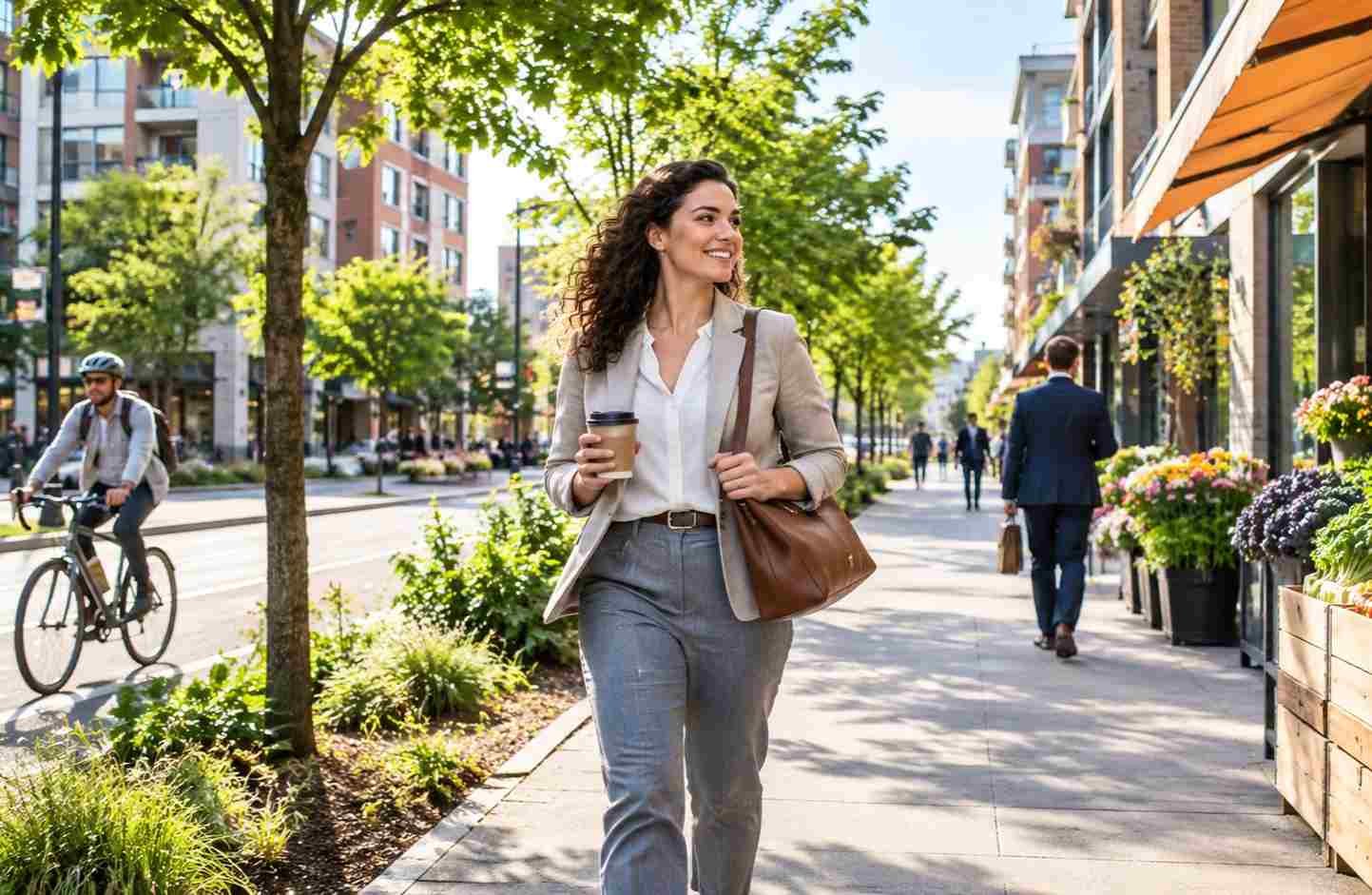
In an era where personal time is one of our most valuable assets, location plays an indispensable role in daily well-being. Spending hours trapped behind the wheel of a vehicle or navigating congested public transit routes drains physical energy, drains financial resources, and steals precious moments from family, hobbies, and rest.
Choosing a residential home situated near your workplace, grocery stores, healthcare clinics, and recreational spaces reshapes your everyday routine. Embracing proximity simplifies daily logistics, reduces chronic stress, promotes physical vitality, and creates an integrated lifestyle where work, leisure, and daily necessities coexist seamlessly.
Reclaiming Daily Hours and Eliminating Commute Exhaustion
The most immediate and transformative advantage of residing close to your job is the reclamation of non-renewable personal time. Long daily commutes represent a persistent source of chronic stress, requiring early morning alarms, unpredictable delays in bumper-to-bumper traffic, and exhausting evening drives that deplete cognitive reserves.
When you live within walking, biking, or short transit distance from your employment, the hours typically lost to highway gridlock return directly to your schedule. A ten-minute walk or a brief train ride transforms transit from an endurance test into a relaxing transition period between professional duties and home life. You gain the freedom to enjoy relaxed mornings, share nutritious breakfasts with family members, and engage in personal enrichment routines before starting your workday.
Furthermore, eliminating lengthy commutes lowers overall cortisol levels, normalizes blood pressure, and reduces the risk of chronic back and neck tension associated with sitting behind a steering wheel for extended periods. Arriving at work refreshed and alert enhances professional productivity, while returning home promptly in the afternoon leaves ample daylight for social hobbies and genuine relaxation.
Maximizing Morning Productivity and Sleep Quality
Living minutes from the office allows you to sleep longer and wake up naturally without the frantic panic of beating morning highway rush hours.
Rested employees experience sharper cognitive focus, improved emotional regulation, and enhanced creative problem-solving capacity throughout the working day. Proximity supports restorative morning routines.
Transforming Travel Time into Active Mindfulness
Walking or cycling to work provides a natural buffer that helps mentally decompress from professional tasks before arriving home.
Active pedestrian transit promotes mental clarity, allowing employees to shed workplace tension naturally without road rage. Active travel nurtures emotional balance.
Significant Financial Savings on Transportation and Fuel
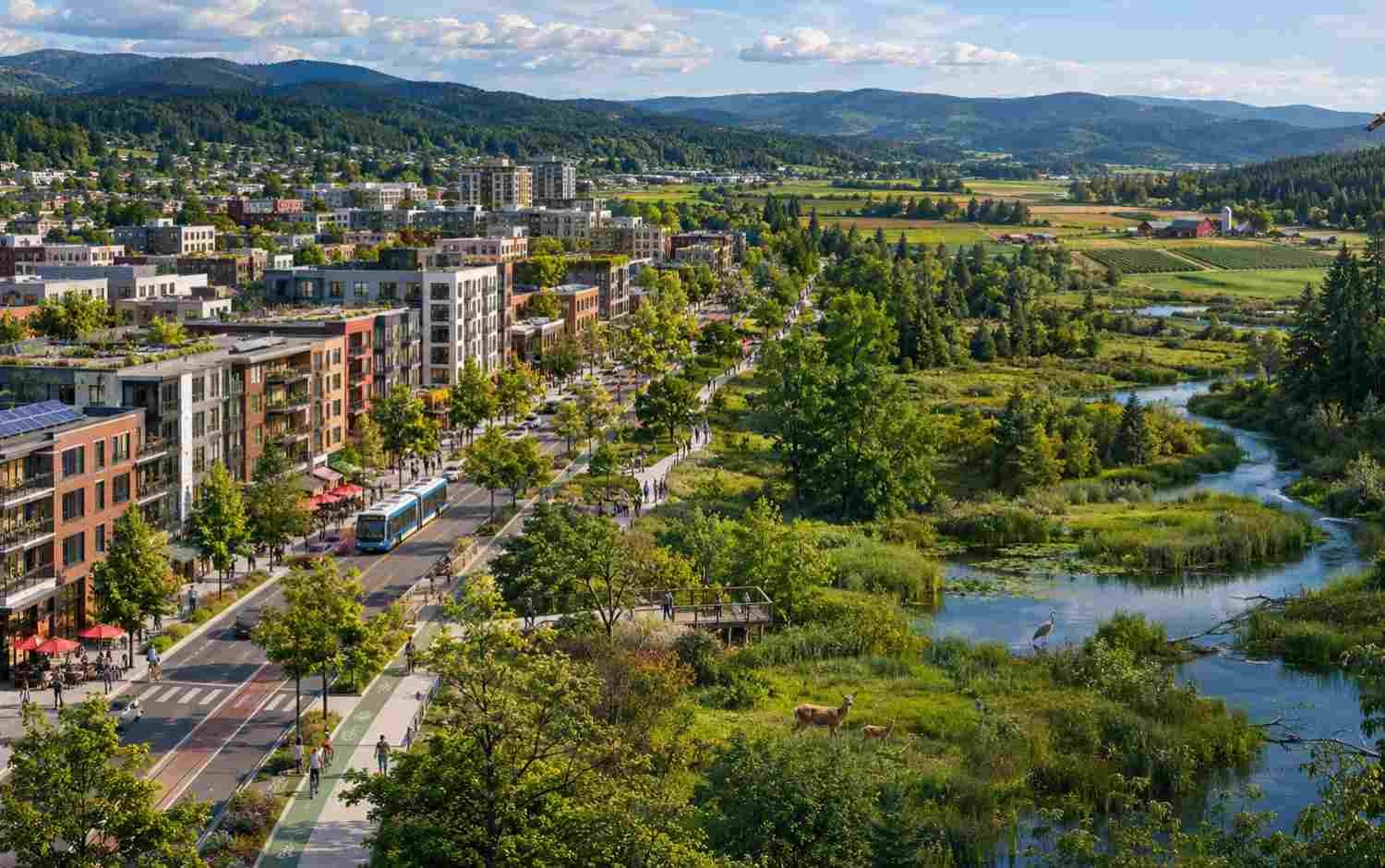
Owning, fueling, and maintaining an automobile represents one of the largest recurring budget categories for modern households. Long-distance commuting accelerates vehicular wear and tear, necessitating frequent oil changes, new tire sets, brake replacements, and costly engine repairs.
By securing a residence near employment centers, grocery hubs, and urban transit corridors, you reduce vehicle miles traveled substantially. Drivers save hundreds of dollars each month on gasoline, parking fees, highway tolls, and routine vehicle maintenance. In many walkable neighborhoods, households can even downsize from two personal vehicles to one, or transition entirely to car-sharing platforms, eliminating monthly car payments and high insurance premiums.
For individuals exploring affordable apartments in Salt Lake City, calculating the total cost of living rather than rent alone reveals remarkable financial benefits. Paying slightly more for a centrally located home is often fully offset by eliminating hundreds of dollars in monthly vehicle ownership expenses, yielding greater financial breathing room and faster savings accumulation.
Slashing Monthly Fuel and Routine Maintenance Costs
Short commutes reduce fuel fill-up frequency to a fraction of suburban driving demands, protecting household budgets from fluctuating gas prices.
Minimizing daily mileage preserves vehicle resale values and dramatically extends the operational lifespan of brake pads and tires. Proximity curtails automotive depreciation.
Unlocking Household Downsizing to a Single Vehicle
Access to local amenities and short work routes allows dual-income families to transition smoothly to a single shared vehicle.
Eliminating a second car loan, registration fees, and vehicle insurance policy frees substantial monthly income for family investments. Fleet reduction maximizes discretionary income.
Effortless Access to Nutritious Food and Daily Errands
Beyond employment proximity, living within a short distance of essential commercial services fundamentally simplifies daily home management. When supermarkets, pharmacies, dry cleaners, and post offices are scattered miles apart, executing standard weekly errands becomes an exhaustive logistical puzzle that consumes entire Saturday mornings.
Residing near vibrant retail corridors allows you to integrate errands into your normal daily movement. You can pick up fresh dinner ingredients on your walk home from the office, drop off dry cleaning during a lunch break, or retrieve a prescription in minutes without planning an elaborate weekend outing. This decentralized convenience eliminates the stress of maintaining massive household inventories.
Furthermore, easy access to neighborhood grocers and farmers’ markets promotes healthier dietary choices. Instead of purchasing processed, packaged foods designed to sit in pantries for weeks, you can buy fresh produce, lean proteins, and bakery goods in smaller, frequent batches, elevating the nutritional quality of family meals effortlessly.
Integrating Grocery Shopping into Daily Pedestrian Routes
Stopping at neighborhood markets for fresh produce on foot keeps dinner menus spontaneous, fresh, and wholesome every evening.
Eliminating high-volume, bulk weekend shopping trips saves hours of time, freeing weekends for personal relaxation and family connection. Fresh food access enhances nutrition.
Consolidating Routine Service Errands Conveniently
Having dry cleaners, banking branches, and pharmacies within walking distance turns time-consuming chores into quick neighborhood walks.
Streamlined errand routines keep home operations running smoothly without cluttering weekend calendars with endless driving lists. Convenient services simplify daily logistics.
Encouraging Spontaneous Physical Activity and Outdoor Health
Sedentary lifestyles represent a major risk factor for modern chronic diseases, including obesity, cardiovascular complications, and diabetes. In car-dependent suburbs, physical movement must be deliberately scheduled at indoor fitness facilities, where long drives and crowded gym floors often discourage consistency.
Living in a compact, amenity-rich neighborhood weaves functional physical exercise into the fabric of your everyday life. Walking to local coffee shops, carrying light grocery bags, climbing subway stairs, and cycling to nearby parks provides continuous, low-impact cardiovascular exercise without requiring dedicated gym memberships. This organic physical movement burns calories, strengthens joints, and boosts metabolic health naturally.
Moreover, neighborhoods built around everyday accessibility typically feature pedestrian walkways, bike lanes, and leafy community parks that invite outdoor engagement. Spending time walking outdoors among natural trees and neighborhood streetscapes exposes your body to natural sunlight, supporting vital vitamin D synthesis and improving overall immune function.
Weaving Low-Impact Exercise into Everyday Transit

Walking briskly to local destinations elevates heart rates naturally, contributing to recommended daily physical activity targets effortlessly.
Functional pedestrian movement builds lower-body muscular endurance and maintains joint mobility without putting extreme strain on ligaments. Everyday walking sustains cardiovascular fitness.
Enjoying Accessible Green Parks and Public Spaces
Having community parks and open spaces nearby provides a refreshing venue for outdoor yoga, jogging, or reading under shade trees.
Regular exposure to natural outdoor environments reduces mental fatigue and sharpens cognitive attention spans following intense workdays. Green access promotes physical rejuvenation.
Fostering Strong Social Ties and Community Engagement
Long commutes and isolated residential enclaves often foster profound feelings of loneliness and social disconnection. When residents spend their mornings and evenings isolated in traffic and their weekends running errands miles away, opportunities for meaningful community interactions dwindle.
Living close to work and neighborhood gathering spots anchors you firmly within a local community. Frequenting the same local cafes, neighborhood grocers, public parks, and community gardens facilitates repeated, casual interactions with neighbors, baristas, and local business owners. Over time, these brief pleasant encounters blossom into strong neighborhood friendships and a deep sense of belonging.
Furthermore, spending less time commuting leaves ample evening hours to attend community council meetings, support neighborhood fundraisers, participate in recreational sports leagues, or host casual dinners with colleagues. Being actively present within your immediate geography enriches your social fabric, creating a supportive network of local relationships that enhances emotional well-being.
Building Familiarity Through Casual Neighborhood Interactions
Seeing the same familiar faces at neighborhood bakeries and transit stops builds community familiarity, turning strangers into friendly acquaintances.
Micro-social connections provide vital emotional validation, easing loneliness and fostering a warm, protective community atmosphere. Friendly neighborhoods foster social belonging.
Participating Actively in Local Civic and Cultural Life
Proximity to community centers, municipal libraries, and art venues makes attending neighborhood events easy and spontaneous.
Investing personal time in local civic initiatives strengthens neighborhood resilience and gives residents a meaningful voice in municipal decisions. Civic engagement deepens community pride.
Enhancing Environmental Sustainability and Urban Efficiency
On a broader scale, choosing to live near employment centers and everyday retail hubs represents one of the most effective personal commitments to environmental stewardship. Personal motor vehicles account for a major portion of global greenhouse gas emissions, air pollution, and fossil fuel consumption.
Shrinking your daily driving radius directly reduces your individual carbon footprint, cutting tailpipe emissions that contribute to atmospheric warming and smog formation. Decreased automobile dependence reduces regional traffic congestion, leading to smoother highway traffic flows, reduced idling, and cleaner air quality for all urban residents.
Additionally, compact, walkable neighborhoods maximize municipal land use, reducing suburban sprawl that encroaches on natural wildlife habitats, wetlands, and agricultural acreage. Dense, accessible communities support shared public infrastructure, energy-efficient residential structures, and vibrant public transit systems, fostering a sustainable, resilient urban future for future generations.
Lowering Household Carbon Footprints Through Active Transit
Replacing daily automotive commutes with pedestrian walking, bicycling, or light rail eliminates pounds of vehicular carbon emissions annually.
Cleaner urban air reduces respiratory ailments among residents, creating healthier living environments for families and children. Reduced driving protects atmospheric health.
Curbing Suburban Sprawl and Preserving Natural Land
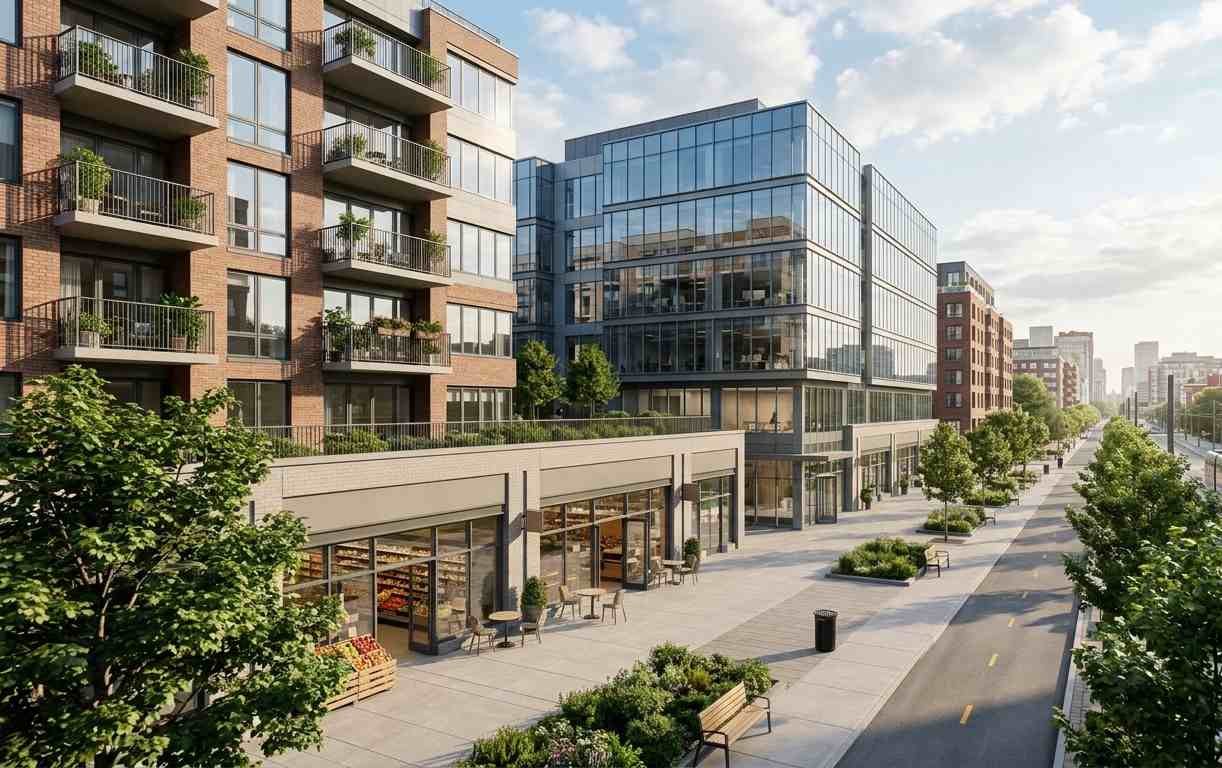
Living in thoughtfully designed, dense urban corridors prevents continuous encroachment onto surrounding agricultural lands and natural open spaces.
Efficient urban land planning preserves surrounding wilderness preserves, protecting biodiversity and natural watersheds for regional ecosystems. Smart density supports conservation.
Conclusion
The decision to live close to your workplace and everyday essentials delivers profound, lasting benefits that transform your quality of life. By eliminating exhausting commutes, lowering vehicle ownership costs, making errand routines effortless, integrating natural physical exercise into daily travel, building vibrant neighborhood social ties, and lowering your environmental footprint, you establish an enriching, sustainable lifestyle.
Modern approaches like Urban Planning Using Digital Twins in Modern City development also help planners create more connected, accessible neighborhoods where workplaces, housing, and essential services coexist efficiently.
Choosing proximity over expansive square footage allows you to reclaim your most precious commodity—time. Living where you work, shop, and relax fosters an aligned, vibrant daily rhythm that empowers you to thrive personally, professionally, and socially for years to come.