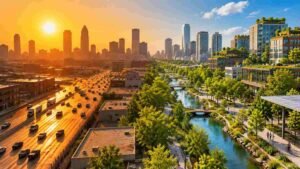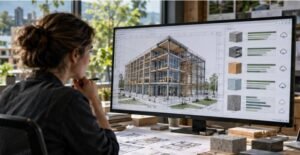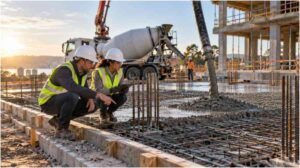
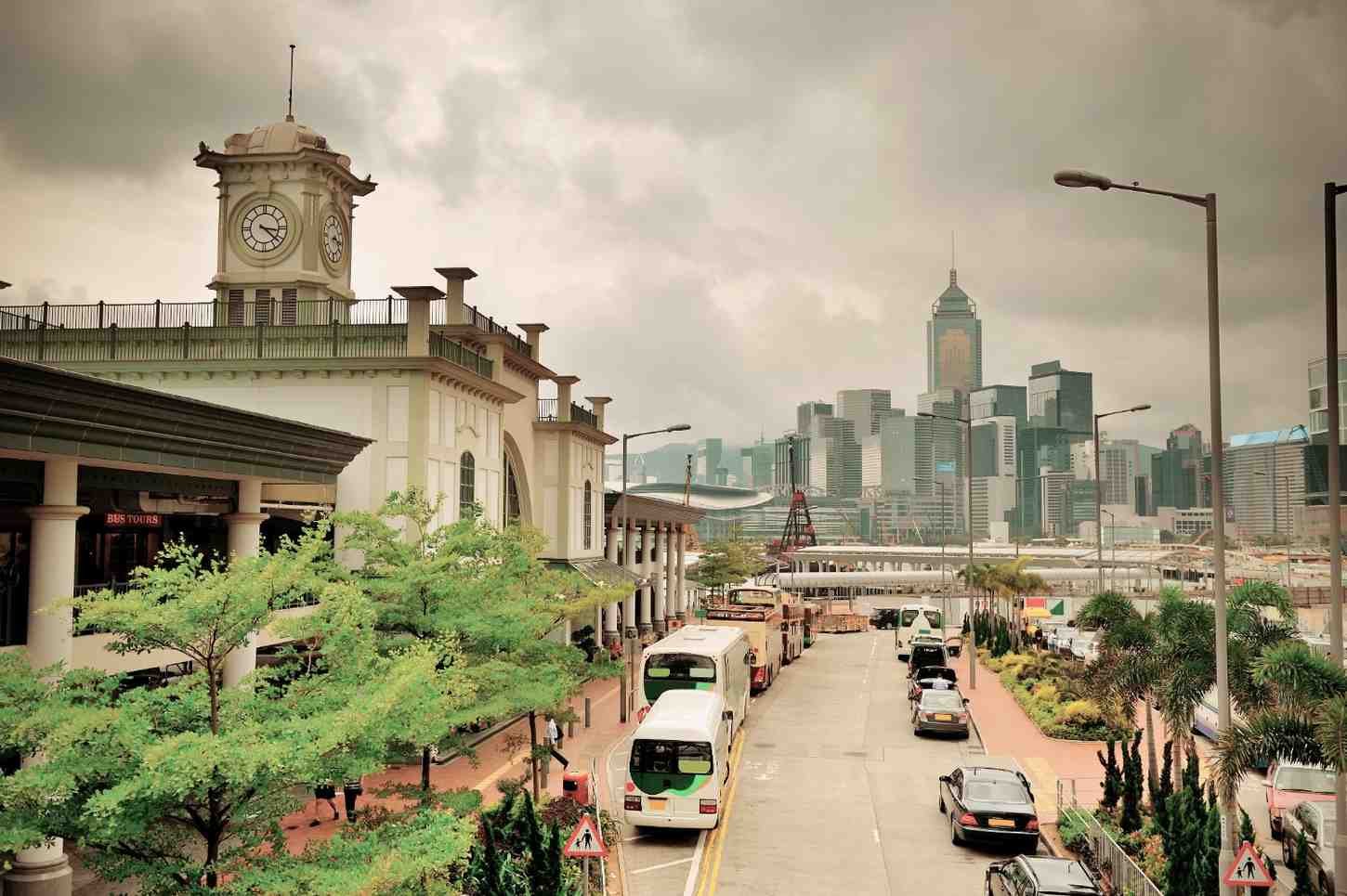
Across the United States, vacant factories, aging schools, empty department stores, abandoned train stations, historic churches, and obsolete offices occupy valuable urban land. I do not see these structures simply as relics of the past. I see them as ready-made foundations for housing, businesses, parks, cultural venues, and community services.
Through adaptive reuse of historic buildings in urban planning, cities can meet modern needs without automatically demolishing the architecture that gives neighborhoods their identity. This strategy can reduce waste, conserve municipal resources, support compact growth, and bring activity back to struggling districts.
What Does Adaptive Reuse Mean in Urban Planning?
Adaptive reuse gives an existing building or piece of infrastructure a substantially different function while retaining important structural, architectural, or cultural features. A warehouse may become loft apartments, a school may become senior housing, or a train terminal may become an innovation center.
This approach differs from standard renovation, which typically improves a property without changing its basic use. It also differs from strict restoration, which aims to return a structure to an earlier appearance. Adaptive reuse balances preservation with practical modernization.
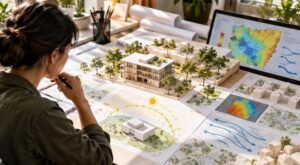
For urban planners, the process extends beyond architecture. It involves zoning, land use, transportation, housing demand, economic development, public services, building codes, neighborhood priorities, and long-term sustainability.
Why Are US Cities Reusing Historic Buildings?
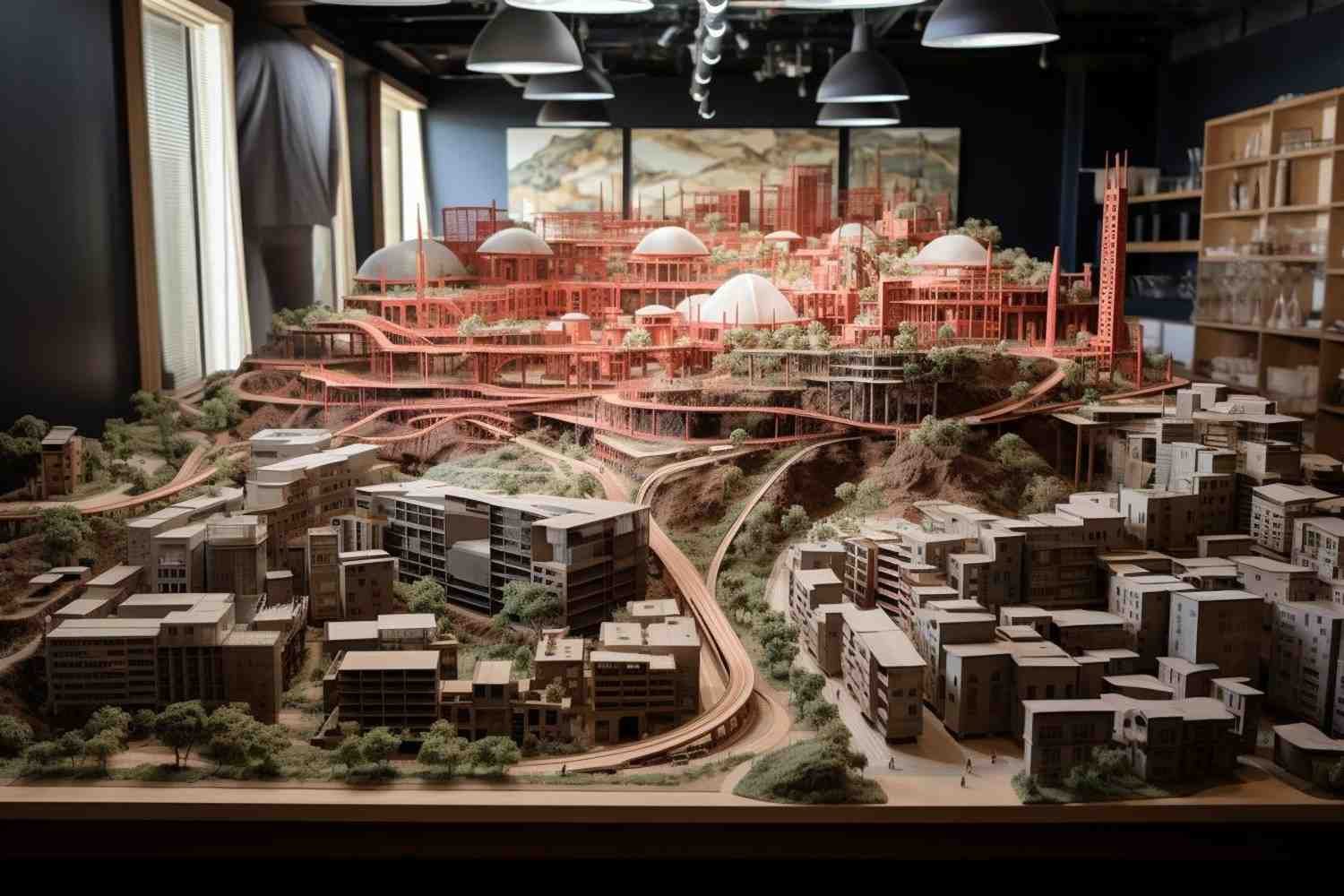
American cities face overlapping pressures, including housing shortages, vacant downtown offices, rising construction costs, aging infrastructure, and climate goals. Reusing existing structures can address several of these challenges simultaneously.
The US Environmental Protection Agency recognizes the redesign of existing buildings for new functions as a sustainable alternative that can reduce greenhouse gas emissions and waste while preserving a neighborhood’s historic and social fabric.
Adaptive reuse can also transform grayfields—underused or obsolete developed properties—into productive urban assets. A vacant building may become a mixed-use development, business incubator, public market, hotel, school, museum, or community facility.
How Does Historic Building Reuse Improve Sustainability?
Every existing building contains embodied carbon from extracting, transporting, manufacturing, and installing materials such as concrete, steel, brick, timber, and glass. Demolition discards much of that previous investment and creates demand for replacement materials.
Reusing foundations, exterior walls, roofs, structural frames, and masonry can lower material consumption and reduce construction and demolition debris. EPA guidance also identifies adaptive reuse as a way to preserve embodied energy and carbon already invested in buildings and building materials.
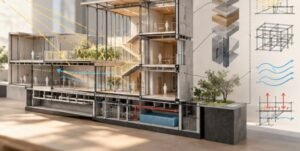
Cities can strengthen these environmental benefits by adding high-efficiency HVAC systems, improved insulation, energy-saving lighting, water-efficient fixtures, renewable energy, and carefully selected windows.
Because many historic buildings already sit near utilities, streets, sidewalks, transit, and public services, reuse can also promote compact urban development. It allows cities to grow inward instead of continuously expanding onto undeveloped land.
Which Adaptive Reuse Approach Works Best?
Planners and design teams must select an intervention based on structural condition, historic significance, neighborhood needs, and financial feasibility.
When Should Cities Use Renovation and Integration?
Renovation and integration retain most of the original structure while reorganizing interiors for a new use. Designers introduce modern mechanical systems, accessibility features, fire protection, elevators, and contemporary layouts without erasing the building’s defining character.
This approach often works well for warehouses, office buildings, schools, factories, churches, and historic commercial properties that remain structurally sound.
Is Facadism a Form of Adaptive Reuse?
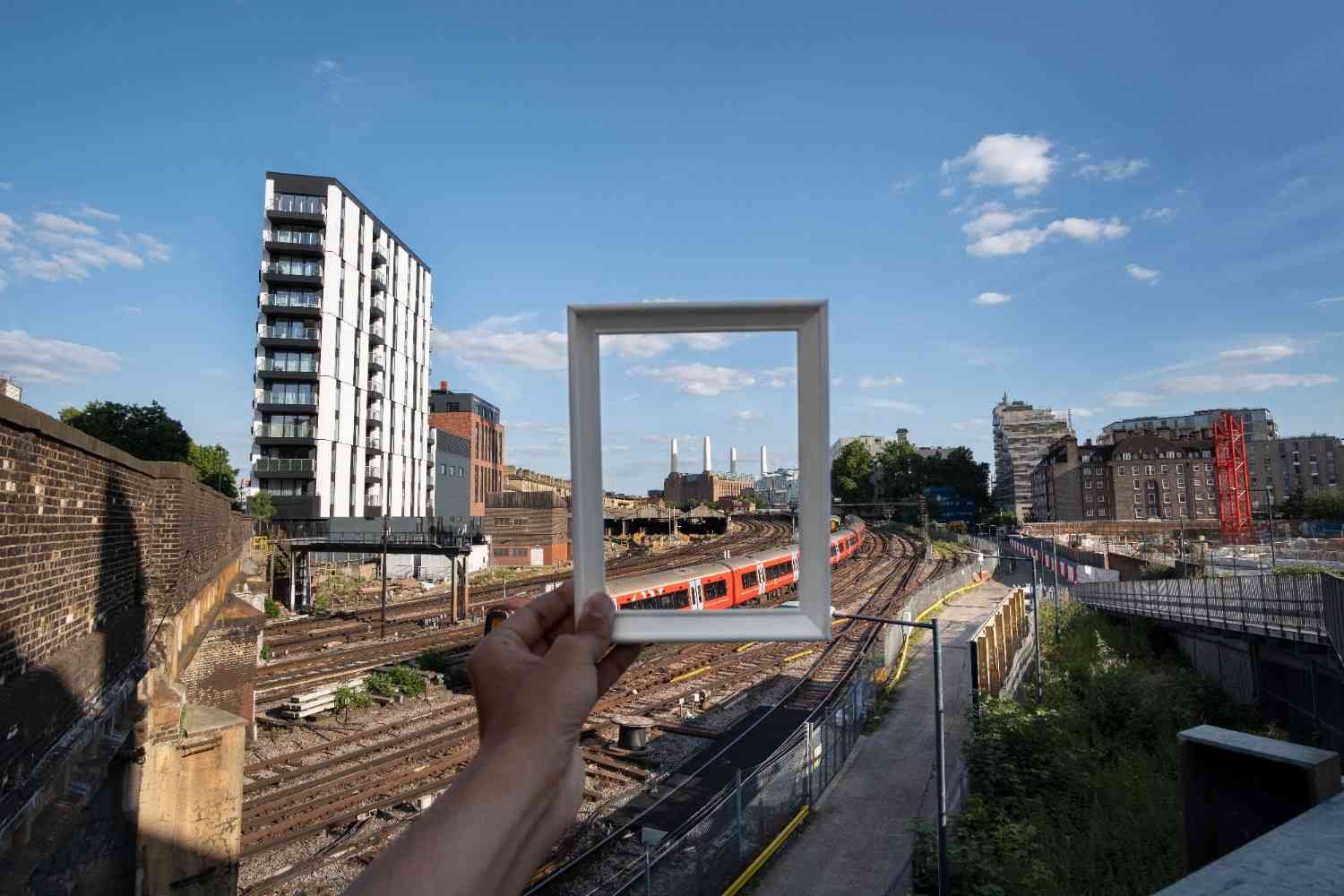
Facadism preserves a historic exterior facade while replacing most or all of the interior structure. Developers may use this method when the exterior has cultural value but the interior is severely compromised or incompatible with the proposed use.
Although facadism can preserve a familiar streetscape, it remains controversial. Saving only the outer wall may reduce a historic building to a visual shell. Planners should therefore consider it only after evaluating whether more of the original structure can be retained.
Can Infrastructure Be Adapted for Public Use?
Adaptive reuse can extend beyond conventional buildings. Cities can transform rail lines, bridges, industrial corridors, water facilities, and utility structures into parks, trails, public corridors, and civic spaces.
The High Line in New York City illustrates infrastructural transformation. The project converted an elevated freight rail line into a linear public park and became a widely recognized model of urban infrastructure reuse.
How Can Adaptive Reuse Revitalize Neighborhoods?
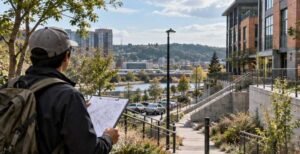
Vacant properties can discourage investment, weaken street activity, and separate residents from essential services. A successful reuse project can introduce homes, jobs, shops, visitors, and public spaces without removing a neighborhood’s visual history.
Industrial buildings can become workspaces or public marketplaces. Closed schools can serve as affordable apartments or community centers. Historic mansions can become museums, educational facilities, or nonprofit offices.
Michigan Central Station offers a major US example. After standing vacant for 34 years, the Detroit landmark underwent a six-year restoration involving more than 3,100 skilled-trades workers before reopening as the center of a broader innovation district.
However, planners should not measure revitalization only through higher property values or tourism. Commercially driven projects can accelerate gentrification, increase rents, and displace longtime residents and businesses.
Cities can reduce these risks by connecting incentives to affordable housing, local hiring, tenant protections, small-business support, community ownership, and public access. Early community engagement can also reveal which uses residents genuinely need.
What Challenges Can Delay Adaptive Reuse Projects?
Outdated zoning often presents the first barrier. A former industrial property may prohibit residential, commercial, or mixed-use development even when those uses now make sense for the neighborhood.
Parking minimums, density limits, setback rules, and lengthy approval procedures can also make projects financially unworkable. Cities can respond with adaptive reuse ordinances, overlay districts, flexible zoning, reduced parking mandates, and coordinated permit reviews.
Engineering presents another challenge. Historic buildings may need new HVAC systems, elevators, sprinklers, emergency exits, accessibility upgrades, seismic improvements, and energy-saving insulation. Designers must integrate these systems without unnecessarily damaging fragile architectural details.
Hidden conditions can further affect budgets. Asbestos, lead paint, contaminated soil, water damage, obsolete utilities, and structural deterioration may appear after work begins. Early feasibility studies and environmental assessments can reduce surprises.
Which Policies Encourage Historic Building Reuse?
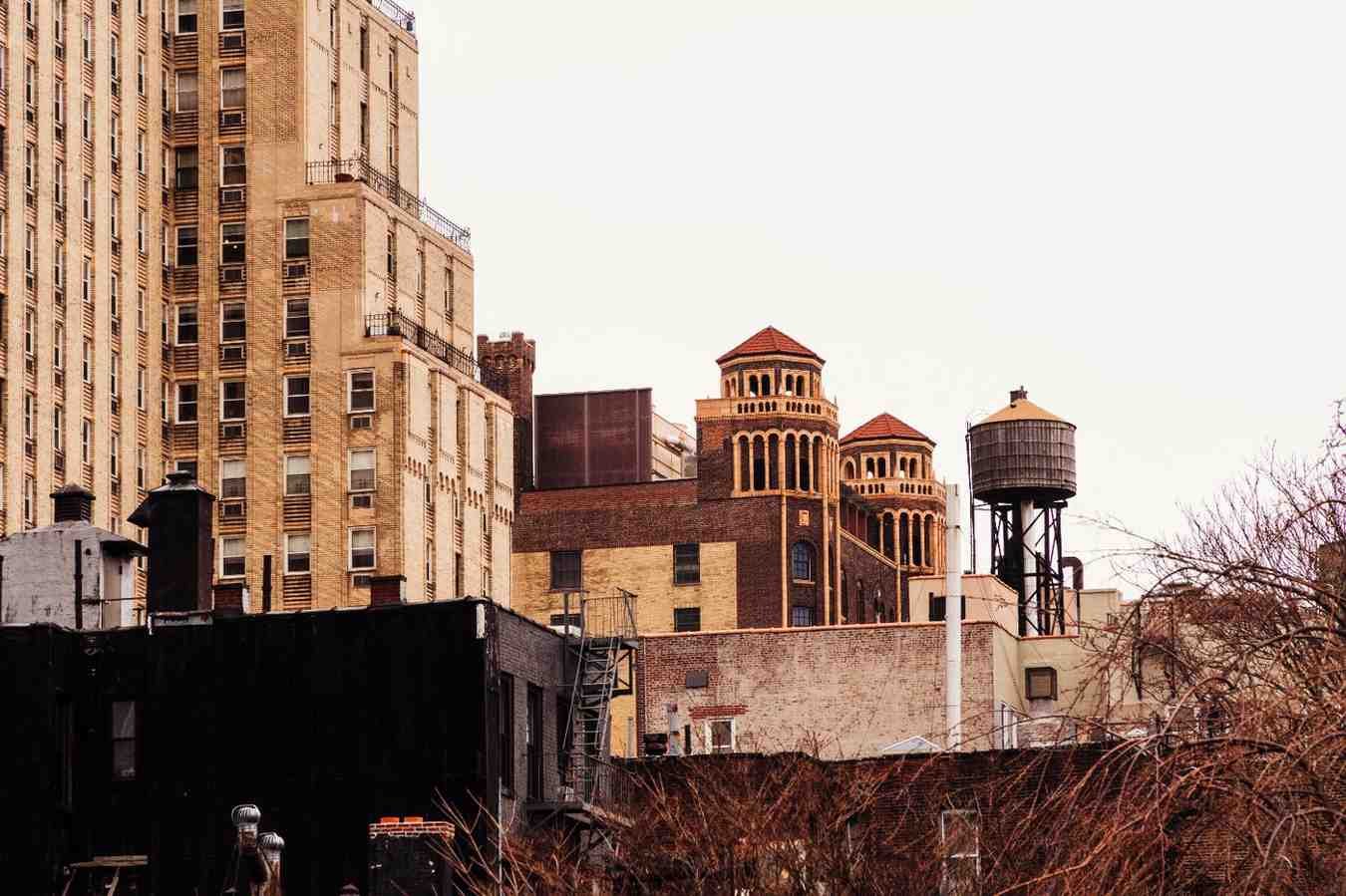
Local governments can maintain inventories of vacant and underused properties, identify priority redevelopment areas, and connect owners with qualified developers. These efforts can also support broader goals such as flood-resilient urban planning strategies, especially when redevelopment takes place in areas exposed to stormwater, drainage, or climate-related risks.
Financial tools may include grants, tax abatements, low-interest loans, infrastructure assistance, and predevelopment funding. The Federal Historic Preservation Tax Incentives Program can also provide a 20% federal tax credit for qualifying rehabilitation work on certified historic structures.
According to the National Park Service, the federal program had leveraged more than $127 billion in private investment and preserved over 50,000 historic properties since 1976 as of May 2025.
Public-private partnerships can help when a property has strong civic value but limited commercial feasibility. Performance-based building codes and experienced preservation review teams can also make code compliance more practical without compromising public safety.
Frequently Asked Questions About Adaptive Reuse
1. Is adaptive reuse cheaper than new construction?
It can reduce material needs and construction timelines, but hidden damage, hazardous materials, code upgrades, and specialized restoration work can raise costs.
2. What types of historic buildings can cities reuse?
Common candidates include factories, warehouses, schools, churches, office buildings, department stores, train stations, mansions, and civic facilities.
3. Can historic buildings meet modern energy standards?
Yes. Sensitive improvements to insulation, HVAC systems, lighting, windows, roofs, and renewable energy can improve performance while protecting significant features.
4. Why is adaptive reuse important to urban planners?
Adaptive reuse of historic buildings in urban planning helps cities conserve resources, support compact development, preserve local identity, create useful spaces, and revitalize underused neighborhoods.
How Should Cities Measure Adaptive Reuse Success?
I believe cities should evaluate more than appearance and property value. Useful measures include affordable homes created, jobs generated, local businesses supported, construction waste avoided, energy performance, transit use, public access, tax revenue, and resident satisfaction.
The strongest adaptive reuse of historic buildings in urban planning projects preserves community memory while solving present-day problems. They give old structures viable futures instead of treating preservation and progress as competing goals.