I have watched the building industry progress from paper drawings to connected digital workflows, but few developments appear as transformative as large scale additive manufacturing in construction. Instead of producing every element through cutting, molding, formwork, and manual assembly, this technology creates building components layer by layer from a digital model.
The process can reduce material waste, automate physically demanding work, accelerate selected construction stages, and give architects greater design freedom. However, successful adoption requires more than installing a large printer. Materials, structural engineering, robotics, quality control, regulations, and conventional building systems must work together.
What Is Construction-Scale Additive Manufacturing?
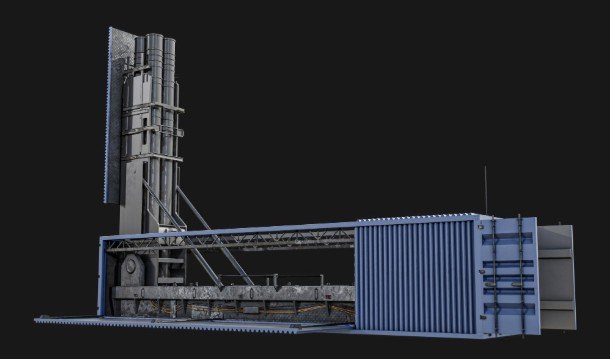
Construction-scale additive manufacturing uses computer-controlled machines to deposit, bind, or fuse materials according to a three-dimensional digital design. Components may be printed directly at the project location or manufactured inside a controlled facility before being transported for installation.
Concrete extrusion is the most widely recognised method. A pump sends a specially developed cementitious mixture through a nozzle while a gantry, robotic arm, or mobile platform follows a programmed path.
Other processes include binder jetting for architectural components and formwork, metal printing for customised structural connections, and polymer printing for molds, panels, and lightweight assemblies.
Unlike desktop printing, construction systems must manage substantial material volumes, structural tolerances, changing weather, reinforcement, curing, and coordination with other trades.
How the Digital Construction Workflow Operates
Digital Design and Toolpath Preparation
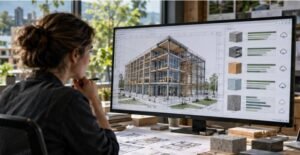
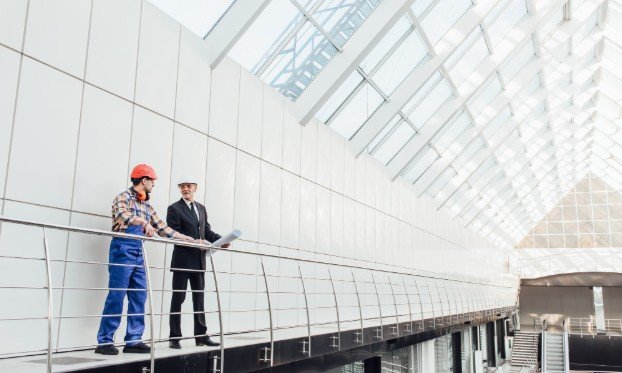
The workflow begins with a coordinated digital model. Architects and engineers define wall paths, openings, service routes, structural connections, and component geometry.
Specialised software divides the model into printable layers and converts those layers into instructions the machine can follow. Designers must account for nozzle width, layer height, print direction, overhang limits, reinforcement access, and the order in which different sections will be created.
Simply converting a traditional building drawing into a printer file rarely produces the most efficient result. Projects perform better when they are designed specifically for automated production.
Material Mixing and Deposition
Printable material must flow through pumps and hoses without causing blockages. Once deposited, it must remain stable enough to support the next layer while developing a dependable bond with the material above and below it.
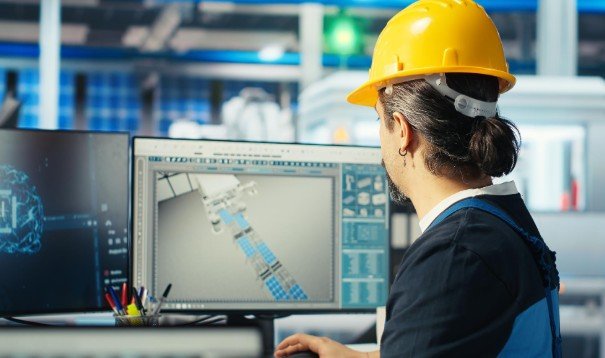
Sensors may monitor pressure, flow rate, temperature, moisture, 3D printer nozzle structure, and layer dimensions. Real-time monitoring helps operators identify inconsistencies before they affect an entire wall or component.
Curing and Building Integration
Printing is only one part of project delivery. Printed elements still require curing, inspection, finishing, and connection to the rest of the building.
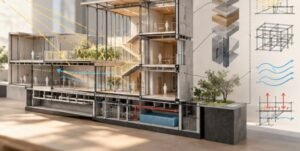
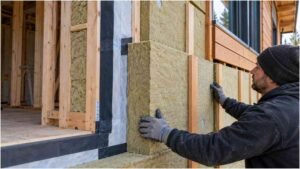
Foundations, roofs, windows, insulation, waterproofing, mechanical systems, electrical services, and interior finishes may continue to rely on established construction methods. These interfaces should be planned before printing begins.
Main Types of Large-Scale Printing Systems
Gantry Printers
Gantry printers move a nozzle along fixed rails surrounding the production area. They offer predictable positioning and can cover a complete building footprint.
Their limitations include transportation requirements, setup time, and a printing area restricted by the dimensions of the frame.
Robotic Arms
Industrial robotic arms provide greater movement flexibility. They can produce curves, complex junctions, customised surfaces, and nonstandard components.
Their reach may be smaller than that of a gantry, although movable bases or coordinated robotic systems can expand the working area.
Mobile Robotic Platforms
Mobile platforms can reposition themselves as printing progresses. They may reduce dependence on large fixed frames and support work across wider locations.
However, navigation accuracy, platform stability, material supply, and site safety remain important technical considerations.
Off-Site Printing Systems
Factory-based production offers controlled temperatures, protection from rain and wind, repeatable workflows, and easier inspection. However, completed components must be transported, lifted, aligned, and connected at the project location.
Materials Used in Additive Construction
Printable concrete and mortar remain the dominant materials because they can be pumped, layered, and engineered for different performance requirements.
Lower-carbon cement mixtures and geopolymers are also being developed to reduce the environmental impact associated with traditional cement. Earth-based materials may support regional construction when durability, moisture, and approval requirements are addressed.
Fibre-reinforced composites can improve crack control or create lightweight panels. Metals can produce customised nodes and structural connections, while polymers are useful for molds, complex formwork, and façade components.
Material selection should consider structural purpose, climate, durability, availability, embodied impact, equipment compatibility, and regulatory approval rather than printability alone.
Major Benefits for Construction Projects
One of the strongest advantages is geometric freedom. Curved walls, customised cavities, optimised forms, and integrated channels can be produced without creating unique formwork for every variation.
Automation can reduce repetitive lifting and exposure to hazardous formwork activities. Digital production also makes customised components more practical because design changes can be introduced through software instead of manufacturing new molds.
Material may be placed only where it is structurally or functionally required, reducing offcuts and unnecessary volume.
Printing can also accelerate wall production, but claims about speed require context. A wall may be completed rapidly while reinforcement, roofing, services, inspections, and finishing still require additional time.
Technical and Commercial Challenges
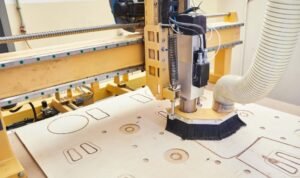
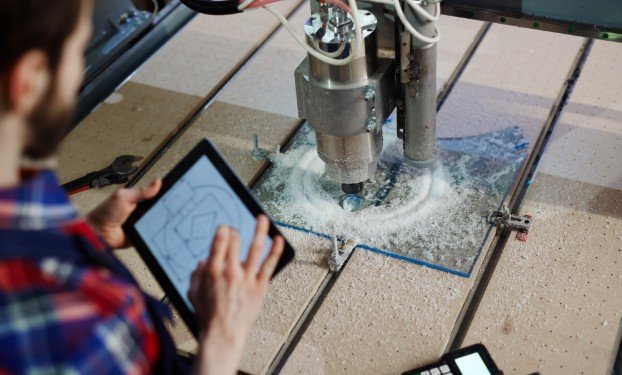
Structural reinforcement remains a major obstacle. Printed walls may require steel bars, fibres, mesh, post-tensioning, or hybrid structural frames. Similar precision challenges arise in CNC milling for architectural models, where structural accuracy and connection details must be carefully planned. Engineers must also resolve connections to foundations, slabs, roofs, and openings.
Interlayer bonding can cause directional differences in strength. Printing delays, surface contamination, moisture changes, or inconsistent material flow can weaken the connection between layers.
The total project budget must include more than the printer. Mobilisation, engineering, testing, material development, pumping systems, maintenance, cleaning, skilled operators, lifting, finishing, and approval costs must also be considered.
Quality Control and Regulatory Approval
A reliable quality plan should establish acceptable limits for layer height, wall width, nozzle position, material consistency, surface condition, and curing conditions.
Digital monitoring can be supported by physical sampling, dimensional inspection, and structural testing. Project teams may need to demonstrate material strength, load paths, fire performance, durability, reinforcement, and construction consistency.
Regulatory coordination should begin during the design stage rather than after printing. Early involvement from engineers, inspectors, testing specialists, and equipment providers can prevent expensive modifications.
Where Additive Construction Offers the Most Value
The technology is particularly suitable for repetitive housing components, curved architectural walls, customised façades, bridge elements, infrastructure parts, printed formwork, and projects in locations with difficult supply chains.
Its strongest application may be hybrid construction. Printing can handle geometrically complex or labour-intensive sections, while established systems provide foundations, roofs, reinforcement, utilities, and finishes.
Frequently Asked Questions
1. What is large scale additive manufacturing in construction?
It is the automated production of building components through layer-by-layer material placement based on a digital model. Production can occur directly at a project location or inside a manufacturing facility.
2. Can an entire building be 3D printed?
Usually, only selected parts are printed. Foundations, windows, reinforcement, roofs, utilities, insulation, and finishes commonly use conventional building methods.
3. Is additive construction always cheaper?
No. Cost savings depend on project repetition, geometry, labour requirements, printer utilisation, material consumption, logistics, testing, and finishing work.
4. How are printed buildings reinforced?
Reinforcement methods include steel bars, fibres, mesh, post-tensioning, inserted reinforcement, and hybrid structural frames. The correct method depends on the material and engineering requirements.
Looking Ahead
I believe additive construction will grow fastest when it solves measurable project problems rather than being used simply for novelty. Its progress will depend on stronger materials, dependable reinforcement systems, real-time monitoring, clearer approval procedures, and teams that design specifically for robotic production.
The technology is unlikely to replace every construction trade or traditional building method. Instead, it can become an important part of a hybrid workflow that combines digital precision with established structural systems.
When projects prioritise safety, quality, whole-building performance, and realistic costs, additive manufacturing can move beyond impressive demonstrations and become a dependable method of delivering buildings and infrastructure.