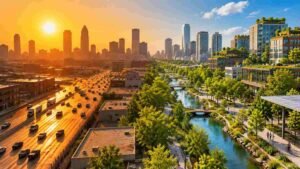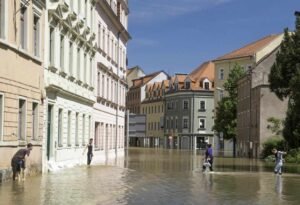
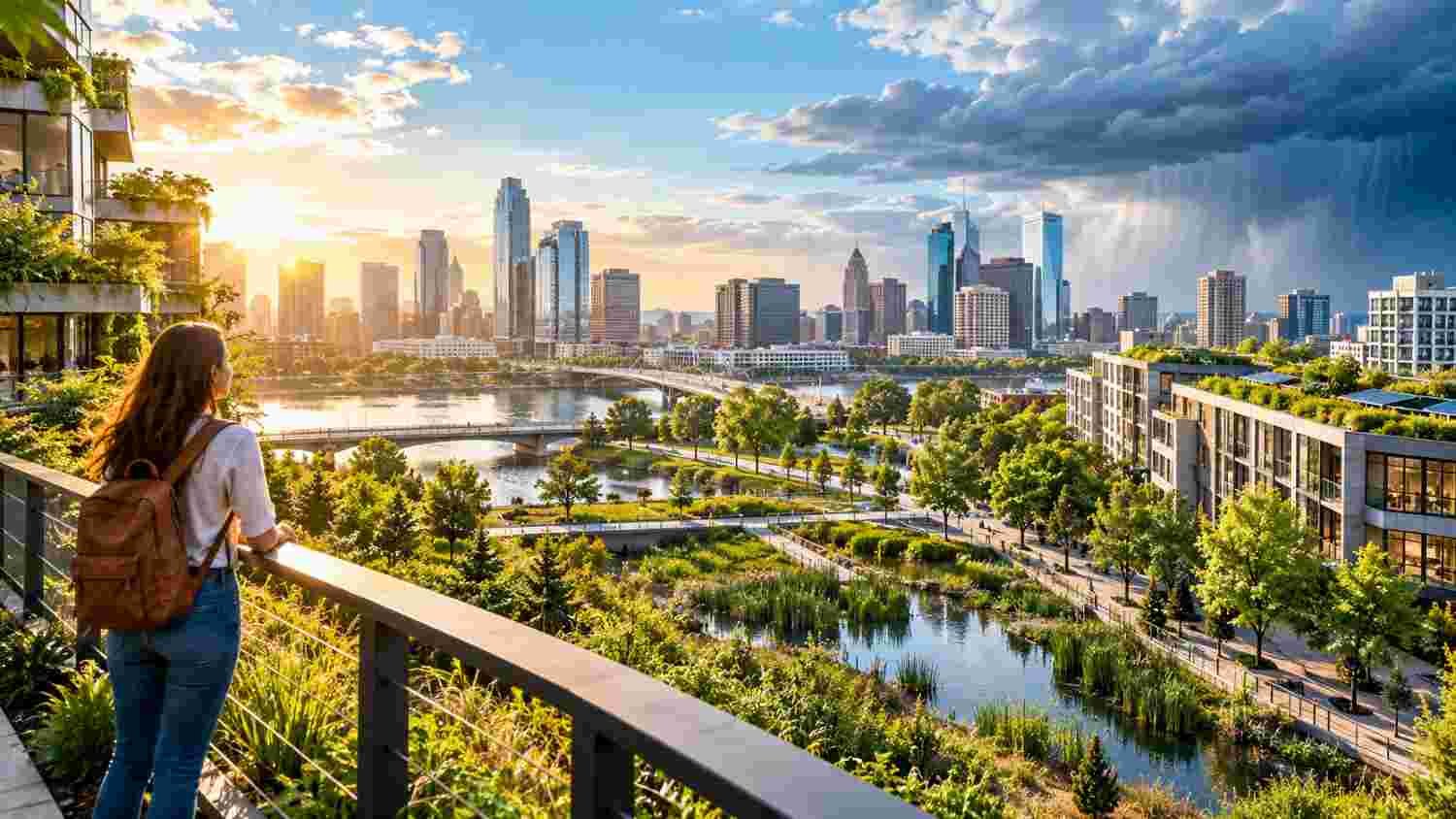
I began noticing how differently the same city feels after a heatwave or a sudden downpour. A shaded street can remain walkable while a nearby stretch of dark pavement feels unbearable, and one flooded intersection can disrupt an entire morning.
I also realized that renewing an old neighborhood is an opportunity to do more than replace worn sidewalks or repaint buildings. A thoughtful project can reduce heat, manage rainwater, protect homes, and make public spaces more welcoming at once.
Why Urban Regeneration Needs a Climate Lens
Older neighborhoods often carry layers of risk: aging drainage pipes, extensive paved surfaces, limited tree cover, and buildings that were not designed for today’s weather extremes. Climate-resilient urban regeneration strategies address these connected weaknesses instead of treating each storm, heatwave, or infrastructure failure as a separate problem.
Let Nature Manage Heat and Rain
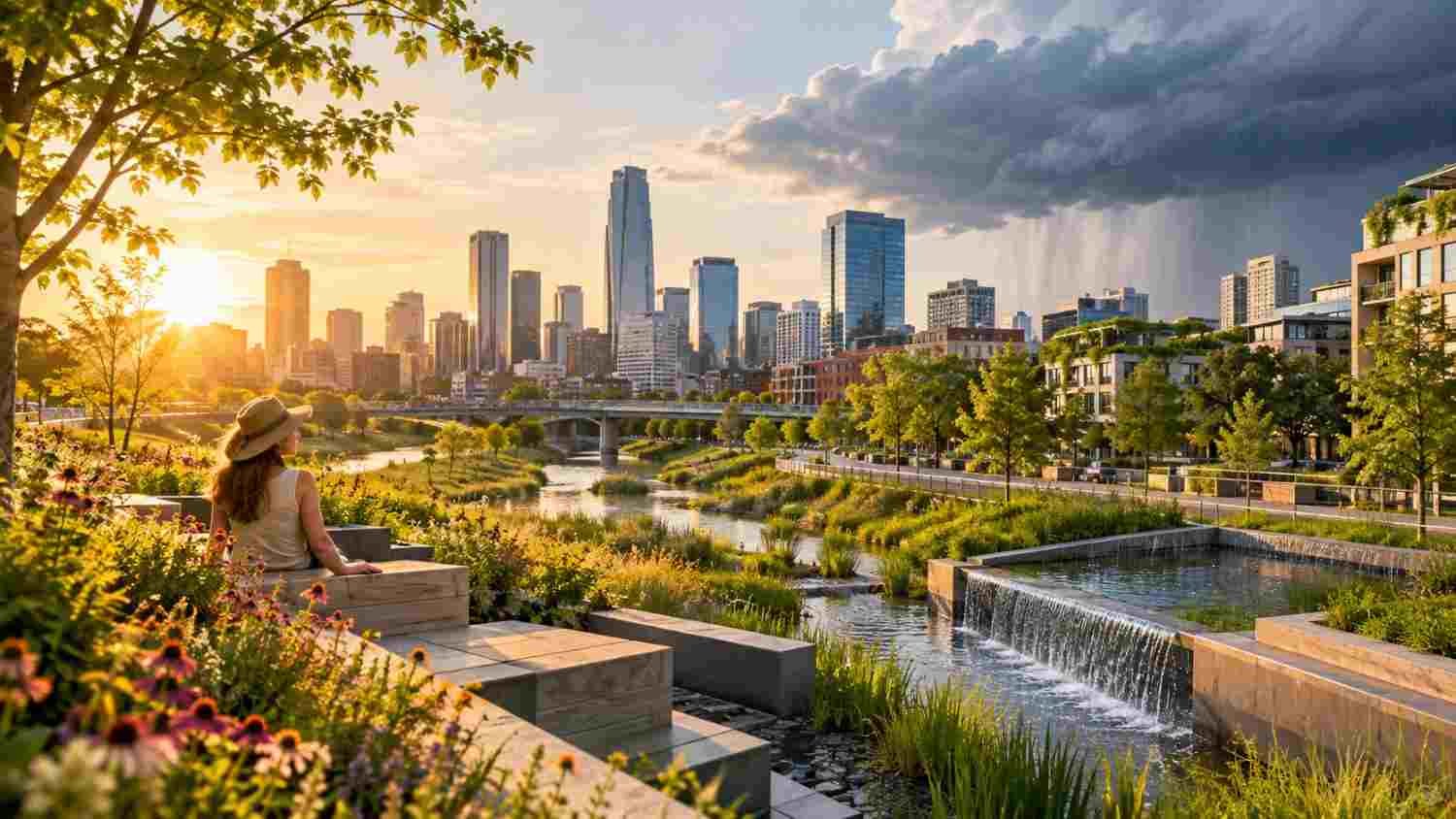
Add greenery where it can work hardest.
Trees, pocket parks, green roofs, and planted corridors can cool streets while creating places to rest and meet. Cities should select climate-suitable plants, protect root space, and budget for watering and care as part of the project.
Green infrastructure can also absorb and slow rainfall. Rain gardens, bioswales, and permeable paving help capture runoff before it overwhelms drains. In coastal or riverfront districts, restoring wetlands and floodplains can provide room for water and reduce pressure on hard barriers.
Design public spaces for multiple uses.
A plaza or recreation field can serve daily community life and temporarily store stormwater during severe rain if it is designed for safe drainage and quick recovery.
Make Streets and Buildings More Adaptable
Heat resilience starts with the surfaces and routes people encounter. Shade trees, covered bus stops, cool roofs, reflective materials, and drinking-water access can reduce exposure during hot weather. Light-colored pavement may help in some settings, but glare, material performance, and local climate should be assessed before installation. Cooling plans should identify public facilities that can serve as reliable refuge during dangerous heat.
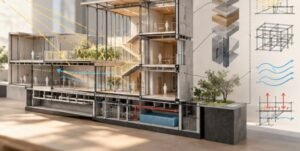
Regeneration also offers a chance to retrofit older buildings. Better insulation, external shading, efficient ventilation, and flood-resistant ground-floor details can improve comfort and reduce damage. Critical electrical equipment, backup power, and water systems should be protected from expected flood levels where feasible. Building codes and retrofit grants can help spread improvements beyond high-end developments.
Technology can support these measures, but it is not a substitute for sound design. Rain gauges, water-level sensors, and weather alerts may help crews respond earlier, provided systems are maintained and warnings reach residents in clear, accessible formats.
Connect Resilience With Everyday Access
A neighborhood is more resilient when people can reach groceries, schools, clinics, transit, parks, and cooling spaces without depending on a car. Integrating 15-minute city planning and neighborhood accessibility can shorten routine trips, support local businesses, and provide more route options when a road or transit line is disrupted.
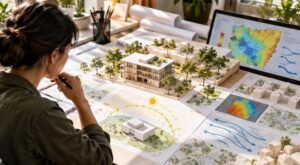
Spatial planning can coordinate these daily needs with climate priorities. Urban heat island mitigation through spatial planning means considering tree canopy, building shade, ventilation corridors, surface materials, and open space together rather than as isolated design choices. Denser development can support transit and reduce land consumption, but it needs usable public space, safe walking routes, and enough greenery to avoid trapping heat.
Put Residents at the Center
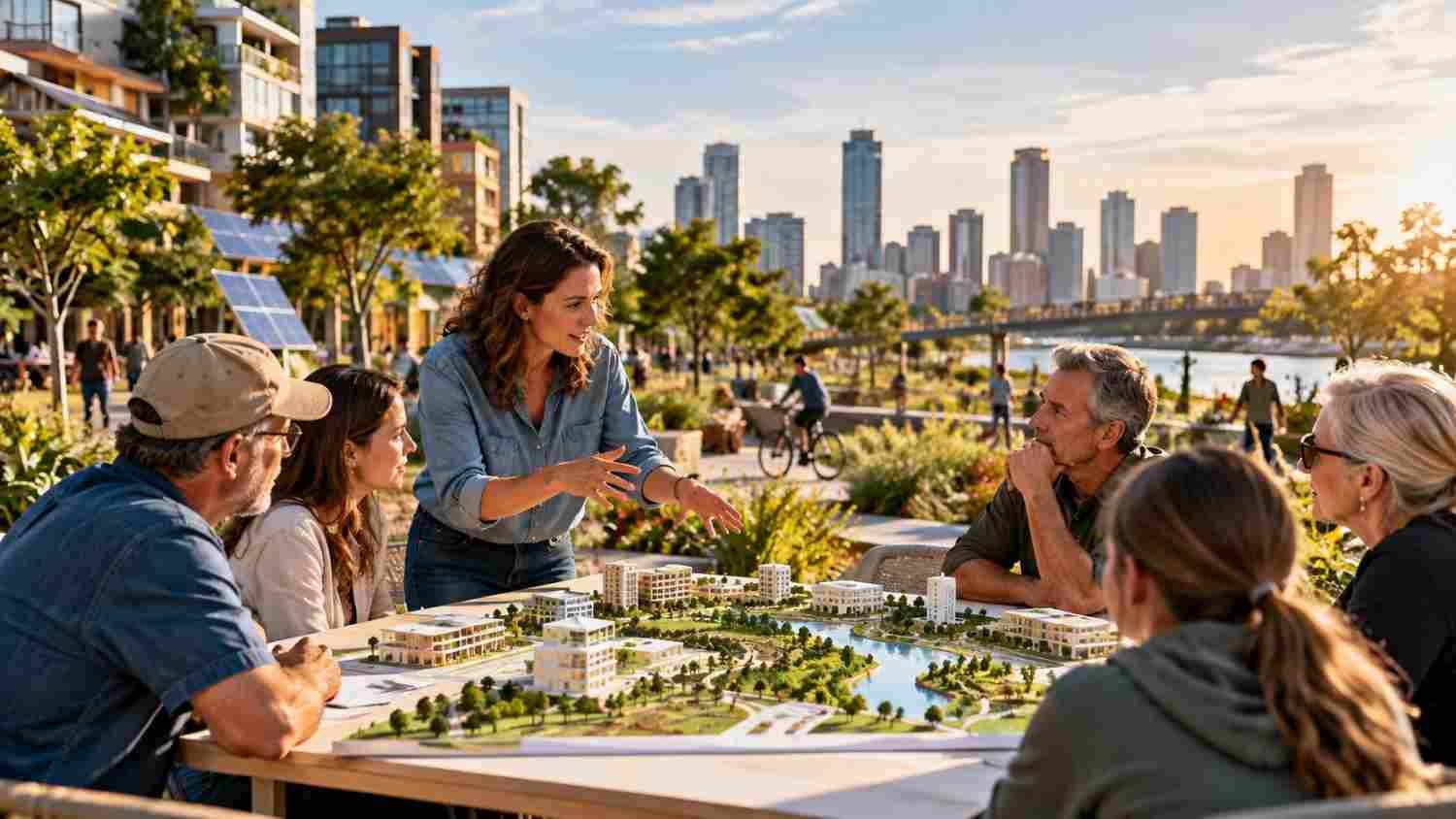
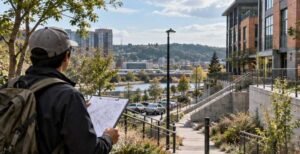
A park, drainage upgrade, or shaded street will work better when the people who use it help shape the design. Workshops, walking audits, local surveys, and participatory risk maps can reveal concerns that technical models miss.
Equity also needs to be built into budgets. Low-income residents, older adults, outdoor workers, people with disabilities, and households in informal or flood-prone housing may face higher exposure and have fewer ways to recover. Improvements can raise nearby property values and rents, so regeneration plans should include affordable housing protections, tenant support, and transparent relocation policies when relocation is unavoidable.
Measure Progress and Plan for Upkeep
A project should be judged by its performance, not just its appearance at opening. Cities can track tree survival, shaded walking routes, surface temperatures, stormwater captured, flood disruption, building energy use, and access to cooling facilities.
Maintenance deserves the same attention as construction. Drains clog, plants die, sensors fail, and public spaces need repair. Assigning responsibility, setting aside operating funds, and publishing progress updates help prevent promising projects from fading after the ribbon-cutting. These climate-resilient urban regeneration strategies need regular public reporting.
FAQs: Climate-Resilient Urban Regeneration Strategies for Cities Facing Extreme Weather
1. What is climate-resilient urban regeneration?
It is the improvement of existing urban areas so buildings, infrastructure, public spaces, and communities can better withstand climate hazards while remaining healthy and functional. It combines physical upgrades with planning, funding, and community involvement rather than relying on one isolated project.
2. Which strategy should a city prioritize first?
Start with a local risk assessment. The most urgent action may be shade in heat-exposed neighborhoods, drainage upgrades in flood-prone areas, or protecting critical services. Cities should compare urgency, likely benefits, cost, and the needs of residents most exposed to harm.
3. Can older, dense neighborhoods become more climate resilient?
Yes. Cities can retrofit buildings, add pocket parks, redesign streets, improve drainage, and reuse vacant sites without rebuilding entire districts. Careful phasing allows work to happen block by block, with temporary access and services maintained during construction.
4. How can regeneration avoid pushing residents out?
Pair public improvements with affordable housing measures, resident participation, tenant protections, and clear plans for preventing or minimizing displacement. Track rents and housing availability before and after investment, and give existing residents a meaningful role in decisions.
Build Resilience That Lasts
The strongest regeneration projects treat climate adaptation as part of ordinary city-making. A shaded route, a floodable park, a safer building, and a nearby clinic may appear to solve different problems, yet together they give residents more ways to stay safe and keep daily life moving during difficult weather. That requires planners to connect engineering with public health, housing, mobility, and the knowledge already held within each neighborhood.
Resilience is not a finish line. It is the ongoing work of making places safer, fairer, and ready to change.