

I like weekend activities that make familiar places feel interesting again. A library entrance, an old movie theater, or a row of front porches can turn an ordinary walk into something worth remembering. That is what makes exploring local architecture as a weekend hobby so appealing: you can begin close to home, spend very little, and learn something new every time.
You do not need architectural training or an expensive camera. Start with curiosity, a manageable route, and a few questions about the buildings around you.
Start With One Interesting Neighborhood
Choose a compact area instead of trying to cover your entire town. An older Main Street, courthouse square, historic residential district, or college campus can offer plenty to observe.
Look for variety. A brick storefront beside a glass-fronted library creates an opportunity to compare materials, entrances, scale, and construction periods.
Avoid limiting yourself to famous landmarks. Ranch style houses, former factories, neighborhood churches, and modest apartment buildings also reveal how communities developed.
Find a Route Before You Leave
Search your city’s preservation organization, historical society, library, or visitor bureau for walking maps. Useful searches include your town’s name followed by “historic district walking tour” or “self-guided architecture walk.”
Check the route’s distance, terrain, public access, and available seating. Download directions so you can navigate without repeatedly searching your phone.
Plan a Simple First Weekend Outing
For your first walk, allow 60–90 minutes and choose three to five stops within roughly a mile, adjusting the distance to your comfort.
A sample route might connect a public library, an older commercial block, a civic building, and a residential street. Check opening hours before planning an interior visit.
Spend about ten minutes at each stop. Observe first, take a few photographs, and write down one question you would like to answer later.
Bring Only What You Need
Comfortable shoes, water, weather-appropriate clothing, and a charged phone are usually enough. A small notebook is helpful, but optional, for recording design inspiration and mindful consumption tips for furnishing home.
Keep the outing affordable by starting with public streets and free resources. Guided tours can come later when you want additional context or access.
Learn to Read a Building From the Sidewalk
The most rewarding part of exploring local architecture as a weekend hobby is learning what to notice. Begin with visible features rather than memorizing long lists of architectural styles.
Look at Shape and Rooflines
Step back where the sidewalk allows. Is the building symmetrical? Does it stretch horizontally or emphasize height? Notice whether the roof is flat, gabled, or steeply sloped.
These observations help you compare buildings, although no single feature proves a particular style or construction date.
Study Windows, Doors, and Materials
Look at window shapes, spacing, and frames. Compare a recessed shop entrance with a raised residential porch. Notice brick patterns, stonework, wood siding, stucco, concrete, and metal.
Ask practical questions. Does an overhang shade the windows? Does a broad doorway welcome crowds? Architecture becomes easier to understand when you connect appearance with use.
Notice Changes Over Time
Look for filled-in windows, different brick colors, additions, or an old business name above a newer storefront.
These details may suggest alterations, but treat them as clues. Research can help you distinguish an original feature from a later modification.
Connect Architectural Styles With Local Examples
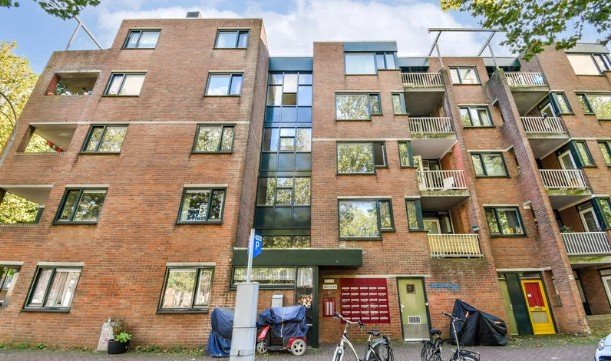
Learn a few styles that appear in your area. You might encounter Colonial Revival symmetry, Craftsman porches, Queen Anne ornament, Art Deco geometric decoration, or Midcentury Modern forms.
Use several features together when making an identification. Buildings can combine influences, and renovations sometimes obscure their earlier appearance.
Include contemporary buildings, too. Compare how a newer library and an older courthouse handle daylight, public entrances, and their relationship with the street.
You will learn more by examining differences than by deciding that only old buildings deserve attention.
Find the Stories Behind the Facades
After your walk, research one building rather than investigating every stop immediately.
Start with your library’s local history collection, historical society archives, city landmark documents, or a historic district nomination. Older photographs and newspaper reports can reveal previous uses and changes.
Record the source of each fact. Separate a documented construction date from a neighborhood story or your own guess.
If you use an identification app, treat its answer as a starting point and verify details through reliable records.
Build a Photo Journal You Will Actually Use

Take one overall photograph and one detail image at each stop. Add the address, visit date, and a short observation. Try prompts such as “most unusual doorway,” “best use of shade,” or “old and new materials together.”
A quick sketch can also sharpen your attention. Focus on proportions or window patterns rather than artistic perfection. Revisit the same street in another season. Changing light, foliage, and weather can reveal features you missed.
Keep Your Outings Comfortable and Respectful
Stay on public routes unless you have permission to enter. Follow posted photography rules and avoid photographing through residential windows.
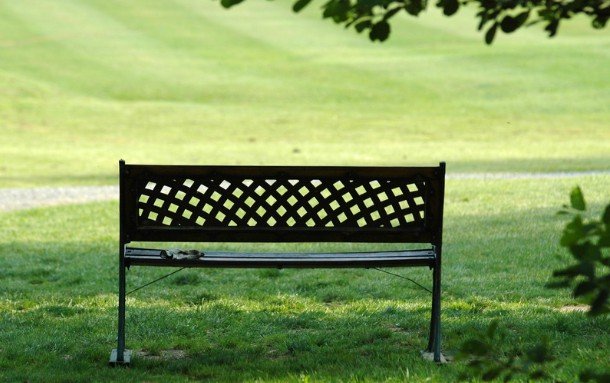
Check forecasts and choose daylight hours that suit local conditions. Include benches, restrooms, and an indoor alternative where possible.
For a shorter outing, study two neighboring buildings from an accessible public space. A rewarding visit does not require covering a long distance.
Frequently Asked Questions
1. How do I start exploring local architecture as a weekend hobby?
Choose a nearby district, select three buildings, and spend an hour observing their shapes, materials, and details.
2. Do I need to know architectural terminology?
No. Start with everyday descriptions and learn a few terms as questions arise.
3. What if my town has no famous buildings?
Explore storefronts, schools, houses, libraries, and former industrial buildings. Everyday architecture can reveal local history.
Make Your Next Walk a Little More Curious
I would start with one street and one question. Why does that entrance face the corner? What occupied that storefront before? Which details have survived?
For me, the value comes from paying closer attention. A small, repeatable outing can gradually turn familiar surroundings into places I understand and appreciate more deeply.