

I like the idea of improving my neighborhood, but getting started can feel awkward when I don’t know the organizers or have much spare time. Learning how to participate in neighborhood improvement projects becomes easier when I focus on one manageable contribution rather than an ambitious commitment.
You can begin by finding an existing project, contacting its coordinator, and choosing a task that fits your schedule. Whether you rent an apartment, own a home, or recently moved nearby, there are practical ways to help your community thrive.
Find Active Projects Near You
Start with organizations already coordinating local improvements. Joining an established effort gives you a contact person, clearer responsibilities, and a chance to learn before organizing anything yourself.
Check Local Government Websites
Search your city or county website for neighborhood services, volunteer opportunities, parks programs, and community cleanups. Useful searches include “neighborhood cleanup near me” and your city’s name followed by “volunteer projects.”
Look for registration forms and upcoming dates. An old announcement may describe a recurring program, but confirm its current schedule before making plans.
Ask Neighborhood Groups and Community Organizations
Contact neighborhood associations, tenant groups, community centers, public libraries, and local nonprofits. Your neighborhood does not need an HOA for residents to work together.
Community bulletin boards and neighborhood social media groups can help you discover opportunities. Verify event details directly with the organizer, especially when a post lacks a clear date or registration link.
Choose a Project That Fits Your Life
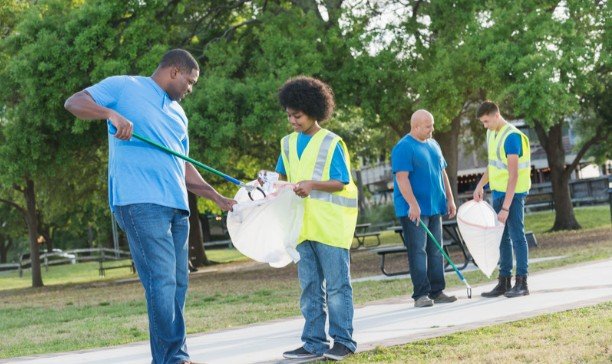
The best starting project is one you can realistically support. A short cleanup shift may suit someone with a busy weekend, while monthly garden maintenance might appeal to someone seeking regular involvement.
Possible projects include litter removal, community gardening, approved mural painting, park beautification, and neighborhood accessibility surveys.
Consider the location, transportation, physical demands, and expected commitment. Ask whether tools and training are provided. You do not need to purchase equipment before learning what the team actually needs.
Contact the Organizer Before Showing Up
A short message can turn vague interest into a clear next step. Introduce yourself, mention your availability, and ask about suitable tasks.
For example: “Hi, I live nearby and would like to help with your next neighborhood project. I’m available Saturday morning and have no previous experience. Are there beginner-friendly roles, and how should I register?”
Before committing, confirm the meeting point, shift length, age requirements, accessibility arrangements, and cancellation procedure. Ask whether registration or a volunteer waiver is required.
If you cannot stay for the entire event, say so early. A reliable one-hour commitment helps organizers more than an uncertain promise to stay all day.
Prepare for Your First Volunteer Event
Read the event instructions and save the coordinator’s contact information. Wear clothing suitable for the assigned task and check the weather before leaving.
For outdoor work, organizers may recommend closed-toe shoes, gloves, drinking water, and sun protection. Confirm what they supply so you bring only what is necessary.
Arrive in time for orientation. Ask where to check in, who supervises your task, and what to do if you encounter a problem.
Follow the project’s boundaries. Report needles, unknown chemicals, unstable debris, and other hazards to the coordinator instead of handling them yourself.
Contribute Without Heavy Physical Work

Neighborhood improvement depends on more than lifting bags or digging garden beds. Administrative and creative tasks can be equally valuable. Those exploring local architecture as a weekend hobby can contribute by documenting historic buildings or creating neighborhood walking guides.
You might manage registrations, translate event information, create flyers, research supplies, update schedules, or help document results. Someone comfortable with spreadsheets could track donations and expenses.
Ask about remote preparation tasks if attending the event is difficult. Helping organize information beforehand can free the coordinator to supervise volunteers.
Renters, older adults, newcomers, and people with disabilities should have opportunities to contribute. Explain what works for you and ask which available roles match your needs.
Start Small If No Project Exists
If you cannot find an active group, begin by listening to neighbors. Ask which shared spaces need attention and what improvements they would support.
Agree on One Achievable Goal
Choose a focused task, such as cleaning one approved area or refreshing an existing community planter. Avoid deciding on a large project before understanding residents’ priorities.
Invite people through several channels, including printed notices where permitted. Online announcements alone may miss neighbors who rarely use social media.
Confirm Permission and Resources
Identify who owns or manages the proposed site. Ask the responsible department or property owner about permission before painting, planting, installing anything, or changing public space.
For cleanups, arrange waste collection before inviting volunteers. List essential supplies and ask about tool loans or donations before spending money.
If funding is needed, investigate local grants and business sponsorships. Check eligibility and deadlines; assistance varies by program.
Help Improvements Last
Before finishing, ask what happens next. Gardens need watering, supplies need storage, and cleaned spaces may need recurring attention.
Record simple results, such as volunteer hours or completed tasks. Get permission before sharing identifiable photographs.
Thank volunteers, share the next meeting date, and divide follow-up responsibilities. Small, repeatable commitments can keep momentum going without overwhelming one person.
Frequently Asked Questions
1. What is the easiest way to learn how to participate in neighborhood improvement projects?
Find an established local event, contact its organizer, and register for a short beginner-friendly shift.
2. Can renters participate?
Yes. Many projects welcome renters; confirm any program-specific eligibility requirements with the organizer.
3. Do I need experience or money?
Many opportunities offer basic tasks and supplied materials. Ask about requirements before buying anything or committing funds.
4. Can I help with limited time?
Yes. Ask about short shifts, preparation work, or remote tasks that fit your availability.
Take One Small Step This Week
I would start by finding one local opportunity and sending one message. That makes participation feel manageable and gives me a clear next action.
I don’t need to lead a major transformation to contribute. Showing up, completing an agreed task, and staying connected can help turn a shared neighborhood concern into steady, visible progress.