

I want a small home to support everyday life: somewhere to cook comfortably, unwind after work, and find my keys without searching. A room can look beautiful yet feel frustrating when every surface holds something and every cabinet requires rearranging. That is why I approach minimalism as a practical way to make space work better.
Learning how to embrace minimalism in a compact home starts with keeping what supports your routines and removing what repeatedly gets in the way. You can create breathing room without replacing your furniture, painting everything white, or giving up belongings that make home feel personal.
1. Decide What Your Home Needs to Do
Before sorting possessions, identify the activities your space must accommodate. A studio apartment might need to serve as a bedroom, dining room, and remote workspace.
Name your biggest daily frustration. Perhaps laundry blocks the bedroom door or work papers cover the dinner table. Start there. The goal is a specific improvement you can notice, such as eating dinner without moving a laptop and three piles of mail.
2. Declutter Before Buying Organizers
Storage products cannot decide which belongings deserve space. Begin with one drawer, one shelf, or one stretch of countertop rather than emptying an entire room.
Separate items into keep, donate, sell, recycle, and discard categories. As you connect with neighbors through community gardens, ask whether anyone could use spare pots or gardening tools you plan to donate. Give sale items a deadline so they do not become permanent hallway residents.
For uncertain possessions, ask whether you use them, value them, or would struggle to replace them. Keep important documents and essential equipment even when they are rarely needed. Minimalism should make daily life easier, including the occasional difficult day.
3. Give Everyday Belongings Convenient Homes
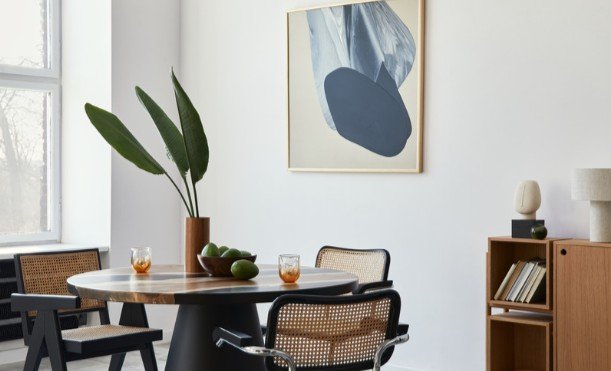
Understanding how to embrace minimalism in a compact home means making belongings easy to put away. Store coffee supplies near the coffee maker and keep frequently worn shoes near the entrance.
Create a Small Arrival Station
An existing bowl for keys, a designated mail slot, and a basket for bags can prevent entryway clutter. In an apartment without a foyer, use a small section of a cabinet rather than adding another furniture piece.
Keep Storage Within Comfortable Reach
Reserve accessible shelves for everyday belongings. Higher storage can hold lightweight seasonal items, but avoid systems that require constant climbing or heavy lifting.
4. Choose Furniture That Earns Its Footprint
Evaluate furniture by how well it supports your routines. A storage ottoman may replace a coffee table, while a drop-leaf dining table can accommodate guests without permanently occupying the room.
Measure the available area and the furniture in its fully opened position. Check door swings, drawer access, and the route between frequently used spaces.
Avoid buying multifunctional furniture simply because it promises space savings. A convertible desk is less helpful if switching functions means relocating everything twice daily.
5. Reduce Visual Competition
Even an organized room can feel busy when every shelf, wall, and tabletop demands attention. Repeat a few colors or materials across connected spaces to create a calmer overall appearance.
Leave portions of major surfaces empty. Keep the kitchen counter useful for preparing meals, and let a favorite painting have space around it.
Closed storage can conceal practical necessities, while a small open display can showcase meaningful objects. Aim for a balance that suits your belongings.
6. Keep Warmth, Color, and Personality
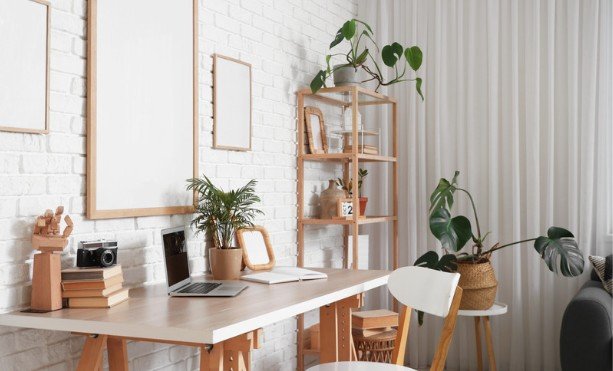
Minimalist living does not require a showroom appearance. Keep the quilt you love, display family photographs thoughtfully, or reserve a shelf for favorite books.
Texture can add comfort without adding many objects. Use an existing woven throw, wooden furniture, or washable rug to soften the room. Choose decorative items because you enjoy them rather than because they match a trend.
Renters can focus on furniture placement, removable accessories, and lighting that works with existing outlets. Check your lease before changing fixtures or installing wall-mounted storage.
7. Agree on Boundaries in Shared Spaces
Minimalism becomes easier when everyone understands the arrangement. Give each household member personal storage and discuss shared surfaces together. A child’s toy basket, a partner’s hobby shelf, or a roommate’s kitchen drawer creates a clear boundary without imposing identical preferences. Ask before donating anyone else’s possessions.
Keep pathways and shared work areas usable. The measure of success is whether people can comfortably live together, rather than whether every room looks equally sparse.
8. Slow Down What Comes Inside
Before buying something, identify where it will live and what purpose it serves. Check cupboards before ordering pantry supplies, and consider borrowing tools or party equipment you rarely need.
A purchase waiting period can help separate an immediate impulse from a lasting need. Apply a replacement rule where useful, such as donating an older mug when buying another. Avoid rigid rules for essentials or changing household needs.
9. Maintain Progress With Small Resets
Spend a few minutes returning everyday items to their places. Review one trouble spot each week and move donations out promptly. For a manageable first week, tackle one drawer, the entryway, kitchen counters, clothing, furniture placement, and incoming paperwork on successive days. Use the final day to assess what improved.
Frequently Asked Questions
1. What is the first step in learning how to embrace minimalism in a compact home?
Start with one area that causes daily frustration. Remove unnecessary items, assign the remaining belongings accessible storage, and check whether the space becomes easier to use.
2. Can a minimalist home still feel cozy?
Yes. Meaningful decorations, comfortable seating, warm lighting, and familiar textures can create a welcoming atmosphere.
3. Do I need to spend money to get started?
No. Begin by decluttering, rearranging existing furniture, and reusing containers. Purchase storage only after identifying what needs a home and measuring the available space.
Final Thoughts
I see minimalism as an ongoing adjustment to everyday needs. I would start with one frustrating corner, protect what matters, and build habits that keep the space comfortable. A compact home feels more generous when its belongings support the life happening inside it.