
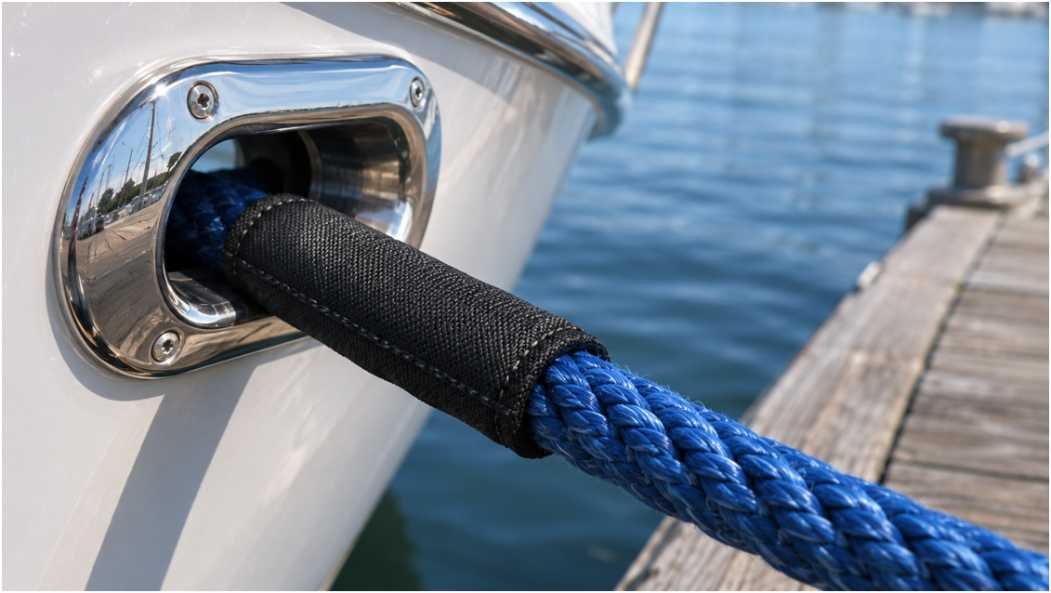
Selecting the appropriate mooring rope is a crucial aspect of ensuring the safety and stability of any vessel when docked or anchored. Mooring ropes are designed to secure boats, ships, and other floating structures to fixed locations such as docks, buoys, or anchors. Understanding the various types of mooring ropes and their specific characteristics plays a vital role in choosing the correct one for a particular maritime need.
Understanding Mooring Rope Functionality
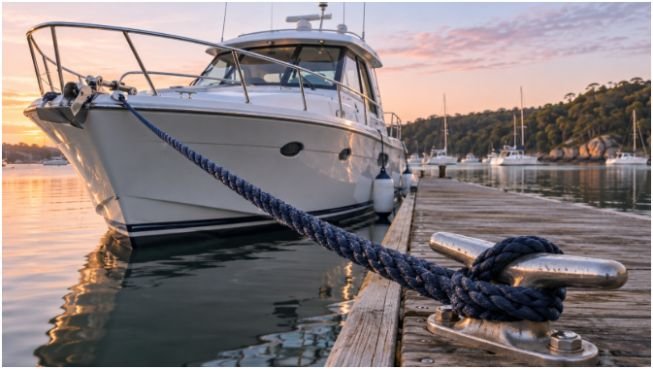
The primary function of a mooring rope is to hold a vessel in place against environmental forces such as wind, currents, and waves. Just as engineers measure thermal comfort in building research to evaluate structural performance under shifting weather loads, marine operators assess a rope’s strength to resist tension, abrasion resistance, and durability to operate effectively over time. Furthermore, mooring ropes should exhibit minimal stretch to prevent excessive movement, reducing the risk of damage to both the vessel and dock infrastructure.
Materials Used in Mooring Ropes
The choice of material for a mooring rope significantly impacts its performance and durability. Common materials include nylon, polyester, polypropylene, and specialised synthetic fibres. Nylon mooring ropes offer excellent strength and elasticity, absorbing shock loads effectively. However, they tend to stretch more than other materials. Polyester ropes combine strength and low stretch characteristics, providing better control over a vessel’s position. Polypropylene is lightweight and floats on water but lacks the strength required for heavy-duty mooring applications.
Advantages of Synthetic Mooring Ropes
Synthetic fibres have become increasingly popular due to their robustness and longevity. For example, polyester and nylon ropes resist rot, mildew, and UV degradation better than natural fibres like manila. The use of high-quality synthetic materials improves safety and lowers maintenance costs in the long term.
Types of Mooring Ropes
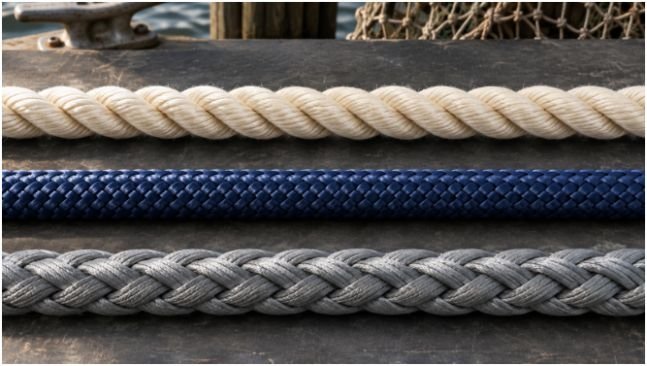
Mooring ropes generally fall into several categories based on their construction: twisted (laid), braided, and plaited. Twisted ropes, made from strands twisted together, are traditional and relatively easy to handle but may have higher stretch and abrasion rates. Braided ropes, formed by intertwining yarns in a specific pattern, tend to be stronger and offer better resistance to kinking and crushing. Plaited ropes provide a smooth surface with superior flexibility and reduced stretch, often preferred for specific mooring applications.
Key Considerations When Choosing a Mooring Rope
Several factors influence the selection of an appropriate mooring rope. These include the vessel’s size and weight, mooring environment, anticipated load, and rope performance characteristics such as strength, elasticity, and abrasion resistance—much like how sustainable builders select materials using environmental product declarations to verify long-term durability and lifecycle impact. Long-term exposure to saltwater and sunlight should also be considered, as these affect the rope’s lifespan.
Choosing an incorrect mooring rope can lead to premature wear, increased maintenance costs, and worse, potential accidents. Therefore, careful evaluation of each parameter is essential.
Breaking Load and Working Load
The breaking load represents the maximum force the rope can withstand before failure. It is a critical safety metric. However, the working load, typically a fraction of the breaking load, defines the safe operational limit to account for dynamic loads and unforeseen stresses.
For vessels that experience significant changes in tension, ropes with high elongation capability, like nylon, can absorb shock loads effectively. For static mooring situations, low-stretch ropes such as polyester may be more suitable.
Rope Diameter and Length
The diameter of the mooring rope directly impacts its strength and handling characteristics. Larger diameters generally mean higher strength but decreased flexibility and increased weight. Conversely, smaller diameters might be easier to handle but may not provide sufficient strength for larger vessels.
The rope length should be adequate to allow for tidal range, vessel movement due to waves, and other operational factors without excessive slack.
Specialised Mooring Ropes: Features to Look For
Recent technological advancements have led to the development of specialised mooring ropes that incorporate features such as high-performance fibres, coatings for abrasion resistance, and construction designed for specific mooring conditions.
For example, ropes with a combination of high-strength cores and protective sheaths offer enhanced durability in harsh maritime environments. These designs improve resistance to abrasion, chafing, and UV damage, extending the rope’s service life.
Maintenance and Inspection
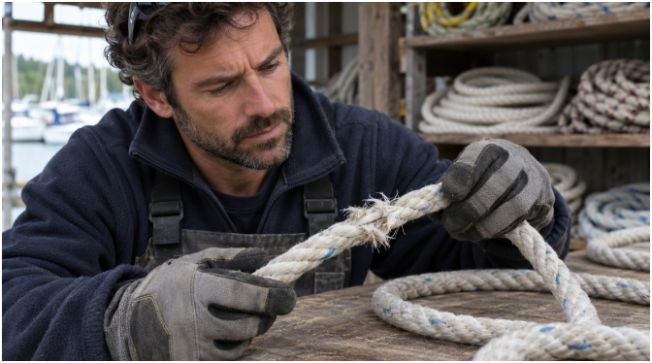
Regular inspection and proper maintenance of mooring ropes are essential to ensure continued performance and safety. Users should examine the ropes for signs of wear, such as fraying, cuts, chemical damage, or excessive stiffness. Replacing worn-out ropes promptly avoids failures during mooring operations.
Storage Recommendations
Ropes should be stored in dry, shaded areas away from direct sunlight and chemicals that can degrade the fibres. Draining ropes after use and avoiding prolonged contact with saltwater preserve material integrity. Taking care of the rope enhances safety and reduces replacement costs.
Recommended Mooring Rope Options
One example of a high-quality product designed for mooring applications is the mooring rope available from specialised suppliers. Such ropes typically feature robust synthetic fibres, high strength, and low stretch characteristics suitable for various vessel sizes and conditions.
When evaluating mooring ropes, professionals should consult with manufacturers or suppliers to ensure the product meets specific operational requirements and safety standards.
Ensuring Compliance with Industry Standards
Mooring ropes should comply with relevant industry standards and certifications. These standards verify that the rope meets minimum performance and safety criteria. Using compliant products reduces liability and helps maintain maritime operational integrity.
Conclusion
Choosing the right mooring rope involves an understanding of material properties, rope construction, vessel requirements, and environmental conditions. By considering key factors such as strength, flexibility, abrasion resistance, and maintenance, vessel operators can select mooring ropes that provide secure, reliable mooring and long service life. Accessing quality products like the specialised mooring rope ensures compliance with safety standards and enhances operational effectiveness in maritime environments.