
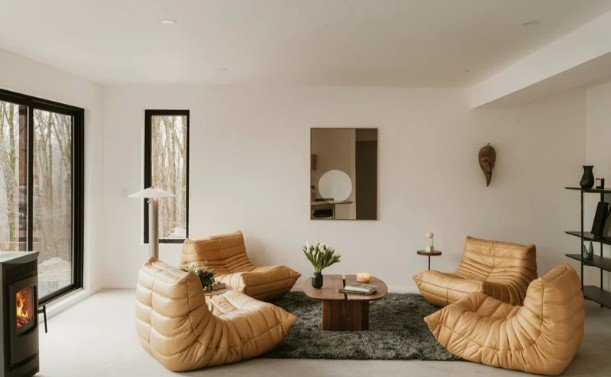
I want my home to feel like somewhere I can finally exhale. That does not require expensive furniture or a living room filled with plants. When I think about how to create a relaxing home with natural elements, I start with daylight, comfortable textures, and small details that make everyday routines more pleasant.
Whether you live in a suburban house or a city apartment, nature-inspired decorating can work with what you already own. The goal is a comfortable space that suits your habits, budget, and available light.
Start With Comfort Before Buying Decor
A relaxing room begins with how it functions. Clear the chair that collects laundry, move cables away from your reading spot, and leave enough room to walk comfortably.
Then notice what already feels good. Perhaps afternoon light reaches your couch, or a bedroom window overlooks a tree. Build around those features instead of adding decorations everywhere.
This approach reflects biophilic design: creating connections with nature through light, materials, views, and spatial arrangements. Plants are one option, but they are only part of the picture.
Make Natural Light More Comfortable

Filter Bright Windows
Clean windows and move tall furniture away from daylight. Sheer curtains can soften harsh sunshine while maintaining brightness. Pair them with privacy shades where neighboring homes face your windows.
In bedrooms, keep blackout curtains available for sleeping. A calming home should support your routine throughout the day.
Arrange Seating Around a View
Turn an armchair toward trees, a backyard, or even a small patch of sky. If the view is limited, place landscape artwork nearby.
After sunset, use table lamps for a softer atmosphere. Keep a focused reading light where you need it rather than making the entire room equally bright.
Layer Natural Materials Without Overcrowding
Wood, stone, cotton, linen, and woven fibers provide different visual and tactile qualities. You do not need all of them in one room.
Try a wooden side table beside a cotton throw and a ceramic bowl. Combining a smooth surface with something soft and something woven creates variety without requiring extra furniture.
Shop secondhand stores for solid wood pieces, and keep useful furnishings you already own. Replacing everything to achieve a natural look can create unnecessary expense and waste.
Choose materials for their location. A washable cotton rug may be more practical near a busy entry than a delicate woven alternative.
Choose Greenery That Fits Your Routine
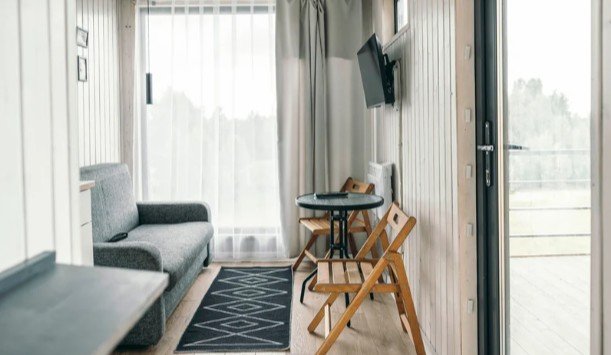
Before buying a plant, assess the actual light where it will live. A dim hallway and a sunny kitchen window need different choices.
Start with one manageable plant rather than several unfamiliar varieties. Check its watering needs, mature size, and suitability for homes with children or pets.
Use a saucer or waterproof liner to protect furniture, and make watering part of an existing weekly routine.
If plant care feels like another chore, use botanical artwork, natural wood grain, or a vase of simple branches instead. A nature-inspired room does not require living greenery in every corner.
Build a Palette You Enjoy Living With
Cream, sandy beige, muted green, soft blue, and warm brown can help connect furnishings with natural surroundings. However, personal preference matters more than following a prescribed palette.
Test paint samples during morning daylight and evening lamplight before committing. A color that looks warm online may appear quite different in your room.
If you rent, introduce color through pillow covers, curtains, bedding, and framed prints. Repeat a few shades across these pieces to make the room feel coordinated without looking overly matched.
Create a Quiet Corner for Daily Use
A comfortable retreat can occupy one corner of a living room. Choose supportive seating, a small surface for a drink, and a blanket you enjoy using. If you have outdoor space, explore balcony gardening ideas for apartment dwellers to create a similar retreat surrounded by greenery.
Place the seat where you feel comfortable, perhaps with its back against a wall and a view toward a window.
When deciding how to create a relaxing home with natural elements, consider sound as carefully as appearance. Curtains, upholstered furniture, and rugs can soften a room that feels echoey.
Optional nature recordings offer background sound without buying a fountain. If you prefer moving water, consider cleaning, splashes, and electrical access before choosing a tabletop feature.
Adapt the Ideas to Each Room
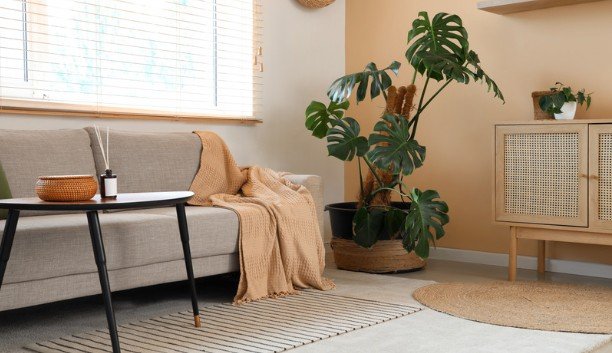
Living Room
Clear the coffee table, add one natural texture, and arrange seating for conversation or an outdoor view. Keep frequently used items within reach.
Bedroom
Choose comfortable bedding and reduce visual distractions around the bed. Use curtains that balance daytime light with nighttime privacy.
Kitchen and Bathroom
Display useful wooden utensils or a ceramic soap dish rather than filling counters with accessories. In damp areas, prioritize washable surfaces and materials suited to moisture.
Avoid Changes That Add More Work
Too many baskets, plants, and decorative objects can make a room harder to clean. Add one element at a time and notice whether it improves daily life.
Natural materials are not automatically sustainable or maintenance-free. Consider durability, sourcing, cleaning requirements, and whether an existing item already does the job.
Frequently Asked Questions
1. How do I learn how to create a relaxing home with natural elements on a budget?
Start with free changes: rearrange seating, clear clutter, and uncover daylight. Then add an affordable textile or secondhand wooden accent where it will be useful.
2. Can a small rental feel connected to nature?
Yes. Window views, landscape prints, removable curtains, and compact wooden accessories can introduce natural character without permanent alterations or using much floor space.
3. Do I need indoor plants?
No. Natural textures, outdoor views, earthy colors, and botanical artwork can create a nature-inspired atmosphere when indoor gardening does not suit your lifestyle.
A Calmer Place to Come Home To
I also remind myself that a peaceful home does not have to look perfect. The wooden table with a few scratches or the favorite cotton blanket can feel more comforting than something bought simply to match a trend.
As the seasons change, I like the idea of making small adjustments, such as lighter curtains in summer or a warmer throw in winter. I want each choice to support the way I live, creating a home where slowing down feels easy and natural.