I love the idea of stepping outside with coffee and finding fresh herbs beside my chair. An apartment balcony can offer that pleasure without becoming crowded or difficult to maintain. The most useful balcony gardening ideas for apartment dwellers combine attractive planting with enough room to sit, water, and move comfortably.
Whether your outdoor space overlooks a Chicago courtyard or a Phoenix street, start with its actual conditions. A few suitable plants will reward you more than an ambitious collection that struggles.
Check Your Balcony Before Buying Plants
Read your lease and ask management about planters, hanging baskets, railing attachments, and watering restrictions. Confirm the balcony’s permitted load before adding large containers; wet potting mix, stored water, furniture, and people all contribute weight.
Measure the floor and door swing, then leave a clear route through the space. Observe direct sunlight at several times throughout the day. Nearby buildings and overhangs can make a south-facing balcony surprisingly shady.
Wind and reflected heat matter, too. Upper floors may experience drying gusts, while glass and concrete can create hotter growing conditions.
9 Practical Ideas for a Greener Balcony
1. Start With a Three-Pot Herb Corner
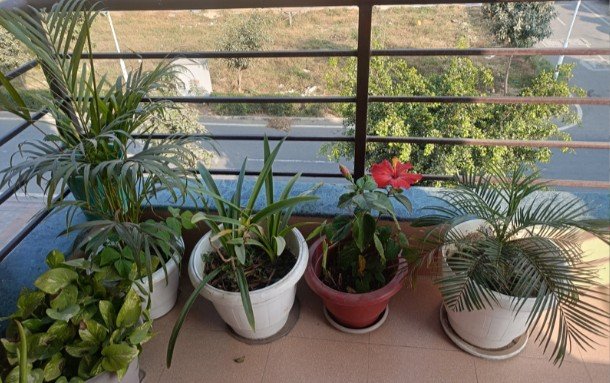
Place three containers near the kitchen door for convenient harvesting. Choose herbs you actually cook with and match their light requirements to your balcony.
Basil enjoys warmth and sunshine, while parsley can handle partial shade. Keep mint in its own pot because its spreading growth can crowd neighboring herbs. Group plants with similar moisture needs.
2. Grow Up With a Freestanding Plant Stand
A narrow, outdoor-rated stand creates several planting levels without filling the floor. Position taller plants where they will not shade smaller sun-loving varieties.
Choose a stable model and follow its load and anchoring instructions. Avoid climbing on furniture to reach upper shelves. Freestanding arrangements can suit renters, provided they remain secure in wind.
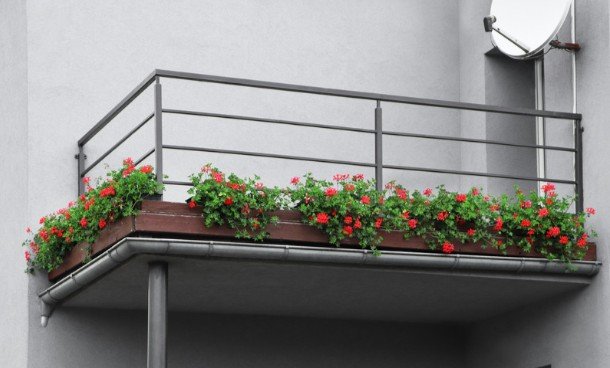
3. Use Railing Planters Where Permitted
Railing containers can frame a balcony with flowers or compact herbs. Check that brackets fit your railing and that building rules allow their installation.
Keep planters inside the railing where permitted and secure them according to manufacturer instructions. Plan for controlled drainage rather than allowing water to drip onto neighbors. Never balance loose pots on a ledge.
4. Build a Compact Vegetable Corner
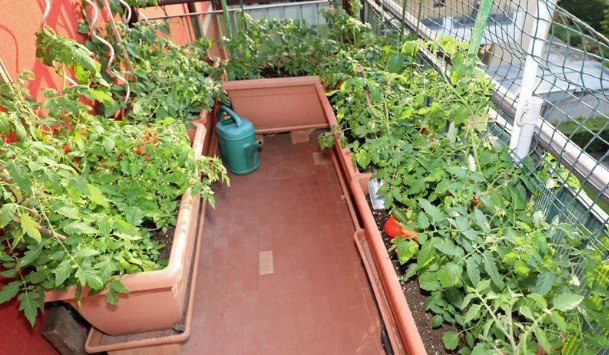
Use the sunniest area for a patio tomato or compact pepper variety. Most fruiting vegetables perform best with roughly six to eight hours of direct sunlight.
Choose containers large enough for the mature plant, with drainage holes and room for supports. A dwarf label does not mean tiny roots. Check cultivar guidance before buying pots, and avoid overcrowding seedlings.
5. Create a Shaded Foliage Retreat
A shaded balcony can still feel lush. Container-grown begonias, suitable ferns, and coral bells offer contrasting foliage without relying entirely on flowers.
Choose varieties suited to local temperatures and actual light levels. Deep shade limits edible options, so set realistic expectations. Rotate pots occasionally if growth leans toward the available light, without moving shade plants into harsh afternoon sun.
6. Add Privacy With a Container Trellis
A trellis within a suitable planter can support climbing plants and soften neighboring views. Select the climber according to sunlight, climate, mature size, and seasonal care.
Keep its height manageable. A planted screen catches wind, so confirm that the structure and attachment method suit your location. Avoid assuming a lightweight decorative trellis provides dependable protection during storms.
7. Combine Seating With a Corner Garden
Reserve space for a folding chair before arranging containers. Place a taller focal plant behind it and smaller pots nearby for a layered effect.
On a narrow balcony, concentrate planting along one side instead of surrounding every edge. Repeat a few container colors to make the arrangement feel coordinated. Keep foliage away from door hinges and walking routes.
8. Choose Self-Watering Containers Thoughtfully
Reservoir planters can reduce watering trips for suitable plants. They are especially useful where outdoor faucets are unavailable, but they still need regular checks. For containers without reservoirs, water retaining granules may help hold moisture in the potting mix when used according to product directions.
Follow filling instructions, maintain overflow outlets, and check moisture before adding water. Drought-adapted plants may prefer a different setup. Add reservoir water to your weight calculations and prevent overflow from reaching neighboring balconies.
9. Make the Garden Easy to Move
Portable containers let you adjust spacing as plants grow or seasons change. Outdoor-rated pot caddies can help with heavier planters when used on suitable surfaces.
Choose locking wheels and keep containers secure. In cold-winter cities, decide where tender plants will go before temperatures fall. Inspect plants for pests before moving them indoors, and check whether adequate indoor light is available.
Keep Costs and Maintenance Manageable
Start with three containers, bagged potting mix, and a few seedlings. Apply the same practical mindset you would when choosing eco friendly furniture for everyday use: reuse what works and prioritize function over decoration. Clean sound pots before reusing them, check their drainage and size, and avoid filling containers with dense yard soil.
Check moisture regularly rather than following an automatic daily schedule. Heat, wind, plant size, and container material affect drying speed. Water thoroughly when needed, manage runoff, and avoid leaving ordinary pots standing in collected water.
Feed according to plant needs and fertilizer directions. Remove damaged growth, harvest herbs regularly, and inspect leaf undersides for pests. Add more plants only when the existing routine feels manageable.
Frequently Asked Questions
1. Which balcony gardening ideas for apartment dwellers are easiest for beginners?
Start with a few appropriately sized containers, climate-suitable herbs, and a stable plant stand. Learn your sunlight and watering conditions before adding vegetables or climbing plants.
2. Can I grow food on a shaded balcony?
Some leafy greens and herbs tolerate partial shade, although growth and harvests may be reduced. Deeply shaded balconies are generally better suited to ornamental foliage.
3. Can balcony plants stay outside during winter?
It depends on the plant, container, and local winter conditions. Container roots are more exposed to cold than roots in the ground, so check overwintering requirements.
Make Room for Everyday Greenery
I would begin with one useful herb, one beautiful foliage plant, and enough space to enjoy both. A balcony garden should fit my daily life, giving me a reason to step outside without turning a small retreat into another demanding chore.