

I want my home to feel comfortable and personal, but I also want every furniture purchase to earn its place. A sale-priced chair becomes expensive clutter when nobody uses it, and an attractive sofa loses its appeal when it cannot fit through the doorway.
That is why I approach mindful consumption tips for furnishing your home as everyday decisions about space, money, and lasting usefulness. You can create welcoming rooms without furnishing everything immediately or paying premium prices for every piece. Start with what you have, understand what you need, and let your home develop gradually.
Start With What You Already Own
Before opening shopping apps, walk through your home. List furniture you use regularly, pieces that need attention, and items that could work better elsewhere.
A bedroom chair might solve an empty living room corner. A sturdy dresser could provide dining room storage. Sometimes, changing the layout solves the problem you expected a purchase to fix.
Avoid discarding functional furniture simply because it does not match a new aesthetic. Combining older pieces with additions can give a room character while keeping spending manageable.
Prioritize Needs Before Decorating Wants

Identify Your Everyday Essentials
Focus first on furniture that supports sleeping, eating, working, and relaxing. Your priorities should reflect your household.
Someone working remotely may need a supportive desk setup before a coffee table. A family that eats together nightly may prioritize dining seating over guest room furniture.
Give Optional Purchases Time
Leave decorative benches, extra side tables, and occasional chairs on a separate list. Live in the space before deciding whether they serve a purpose.
An unfinished corner does not require an immediate purchase. Open space can make a room easier to use and clean.
Set a Budget That Includes Hidden Costs
The price tag rarely tells the whole story. Delivery, sales tax, assembly, care supplies, and removal of existing furniture can change the total.
Set a spending limit for each essential purchase and leave room for these expenses. Check return fees before ordering oversized items online.
Compare likely usefulness alongside price. A hypothetical $600 table kept for ten years costs $60 annually before maintenance. A $250 table replaced after two years costs $125 annually. This comparison encourages planning, although no price guarantees longevity.
Measure the Room and the Delivery Route
Measure available floor space before shopping. Use painter’s tape to mark a potential furniture footprint, then walk around it.
Check whether drawers open fully, dining chairs pull out comfortably, and people can move through the room.
Measure doorways, staircases, elevators, and tight hallway turns, too. Apartment renters should check delivery rules and elevator reservations with building management.
These steps turn mindful consumption tips for furnishing your home into practical safeguards against expensive mistakes.
Explore Secondhand Furniture With a Plan
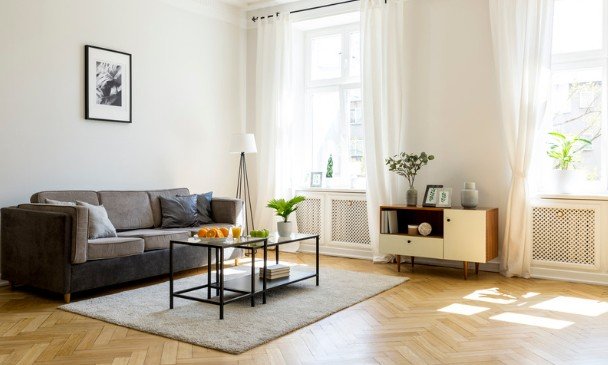
Secondhand shopping can expand your options without requiring a large budget. Browse local consignment stores, estate sales, neighborhood listings, and Habitat for Humanity ReStore locations.
Bring measurements and a clear list. A bargain still wastes money when it does not fit your needs.
Inspect furniture for wobbling, damaged joints, missing hardware, odors, and signs of pests. Check current recall information before buying, particularly for nursery furniture.
Include transportation and repair costs in your decision. Reupholstering a used sofa may cost more than expected, so get estimates before committing.
Learn What Durable Construction Looks Like
“Buy quality” becomes more useful when you know what to examine, especially when choosing durable, practical pieces that make shared living more comfortable.
Sit on seating and listen for unusual creaking. Open drawers, test hinges, and check whether tables stand securely. Ask how the frame is constructed and whether replacement hardware or cushions are available.
Solid wood can often be refinished, but material alone does not determine durability. Well-designed plywood furniture can also perform well.
For upholstery, read cleaning instructions and consider pets, children, and daily wear. Choose something you can realistically maintain.
Question Vague Sustainability Claims
Words such as “green,” “natural,” and “planet-friendly” need supporting information.
For wooden furniture, ask about material sourcing and look for verifiable certification claims, such as Forest Stewardship Council certification. Understand what a label covers rather than assuming it proves every environmental benefit.
Ask whether the product can be repaired, disassembled, or passed along. Consider packaging and delivery arrangements as part of the decision.
Avoid replacing usable furniture solely to buy something marketed as sustainable. Continuing to use what works is often the simplest starting point.
Choose Flexibility Without Buying Unnecessary Features

An extendable dining table or modular shelving system may adapt to changing needs. However, multifunctional furniture only adds value when you will use its functions.
A sleeper sofa makes sense for regular overnight guests. An ordinary sofa may suit your household better if visitors usually stay elsewhere.
Renters should also consider future moves. Manageable dimensions, replaceable parts, and furniture that disassembles can help a purchase remain useful in another home.
Create a Pause Before Purchasing
Keep a wish list instead of checking out immediately. Give nonessential purchases several days, or longer when the expense is substantial.
Ask what problem the item solves, where it will go, and whether you would want it without the discount.
Unfollow accounts that make your home feel constantly inadequate. Save inspiration that reflects your routines and preferences.
After buying, follow care instructions, address loose hardware promptly, and repair small problems before they grow.
Frequently Asked Questions
1. What are the easiest mindful consumption tips for furnishing your home?
Inventory existing furniture, prioritize essentials, measure carefully, and pause before nonessential purchases.
2. Can I furnish thoughtfully on a small budget?
Yes. Rearrange existing pieces, compare secondhand options, and spread purchases over time.
3. Should every furniture purchase be secondhand?
No. Choose according to condition, safety, comfort, budget, and expected use.
Make Room for What Matters
I see thoughtful furnishing as an ongoing practice. I would rather choose something useful at a comfortable pace than rush to make every room look finished. By caring for what I own and questioning new purchases, I can build a home that supports everyday life while leaving room in my budget.