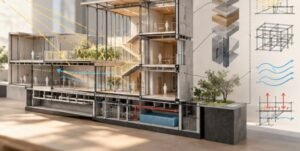
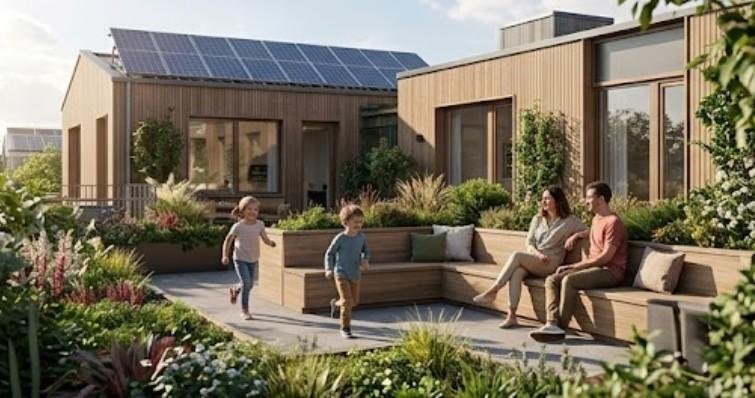
Walking into a poorly lit room instantly tightens your shoulders, while stepping into a sunlit courtyard brings calm. Our daily emotional state is continuously shaped by structural choices around us. Unpacking how architecture affects mental health helps reveal the psychological impact of our built environments and urban landscapes.
Ever wondered why some buildings instantly make you feel like throwing a party while others make you want to hide under your blankets? It turns out your brain is constantly reading your room! Exploring how architecture affects mental health unlocks the secret blueprint behind your daily mood swings, stress levels, and sudden bursts of creative genius.
Key Takeaways
- Built environments continuously shape cortisol production, stress resilience, and daily mood patterns.
- Daylight exposure and circadian lighting regulate sleep-wake cycles to decrease depressive symptoms.
- Biophilic elements and natural geometries reduce heart rates and mental exhaustion in urban hubs.
- Acoustic management prevents chronic cognitive fatigue caused by persistent environmental background noise.
- Thoughtful spatial circulation balances social interaction with essential privacy to alleviate anxiety.
The Positive Psychological Impacts of Good Design
Architects directly influence our mental health and daily mood through natural light, spatial layouts, and building facades. Thoughtful design promotes calmness and human connection, whereas sterile or confining spaces trigger stress and isolation.
| Design Element | Positive Mental Health Outcome | Biological Mechanism |
| Natural Lighting | Enhanced Mood & Energy | Circadian Rhythms & Serotonin |
| Detailed Facades | Cognitive Stimulation & Interest | Visual Complexity Processing |
| Biophilic Design | Lower Anxiety & Heart Rate | Parasympathetic Activation |
| Social Spaces | Reduced Isolation & Bonding | Natural Human Interaction |
Abundant Daylight and Circadian Stability
Abundant daylight boosts mood, stabilizes circadian rhythms, and increases overall happiness throughout the week. Sunlight acts as the primary driver for human biological clocks, regulating daytime focus and nighttime melatonin production for sleep.
Buildings equipped with expansive perimeter glazing, light wells, and skylights optimize indoor daylight exposure. Residents living and working in bright architectural settings report significantly lower rates of seasonal mood changes and improved sleep quality.
Engaging Façades and Natural Geometries
Complex, detailed building exteriors and fractal patterns stimulate the brain positively compared to flat, blank walls. Human brains process organic visual complexity with ease, finding pleasure in structured architectural details.
Monolithic concrete surfaces, on the other hand, offer zero visual interest and can trigger feelings of boredom or detachment. Incorporating varied textures, natural wood finishes, and dynamic exterior shapes creates welcoming streetscapes that encourage neighborhood exploration.
Biophilic Integration and Social Layouts
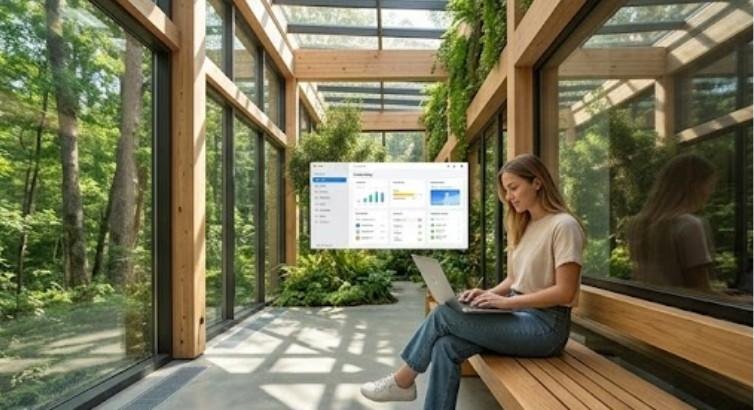
Integrating plants, natural wood textures, and direct views of nature lowers stress hormones and promotes physical relaxation. Biophilic design taps into our innate human connection with living systems, offering quick mental restoration in busy city settings.
Simultaneously, open, community-oriented layouts reduce loneliness by encouraging natural human bonding. Designing shared courtyards, accessible seating zones, and central gathering areas helps foster strong local relationships and shared identity.
The Negative Impacts of Poor Design
When buildings ignore basic human needs, built spaces active stress responses and lower our quality of life. Understanding these negative triggers enables urban planners to build healthier communities.
Sensory Deprivation and Nervous System Fatigue
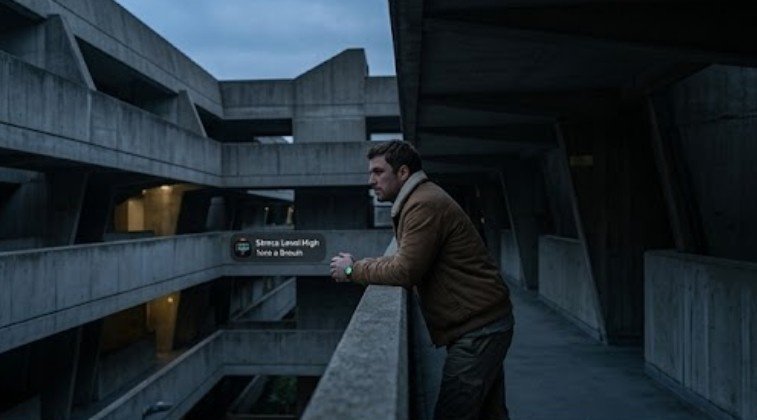
Monotonous, featureless modern walls or minimal windows can cause nervous system fatigue and anxiety. When our physical surroundings lack variation, our cognitive processing becomes sluggish and strained.
Extended exposure to sterile corridors and harsh artificial flicker keeps the body in a state of low-grade physiological stress. Over time, these monotonous environments contribute to chronic burnout and reduced cognitive focus.
Crowding, Disorientation, and Chronic Stress
Poorly planned hallways or dense, confusing urban spaces create chronic environmental stress for daily occupants. Getting lost in mazelike office layouts or sterile medical complexes triggers immediate spatial anxiety and helplessness.
Narrow corridors and overcrowded common zones heighten feelings of personal space infringement. Clear sightlines, intuitive circulation paths, and open visual markers are essential for keeping occupants calm and oriented.
Lack of Airflow and Spatial Confinement
Poor ventilation and dark interiors foster feelings of claustrophobia and physical fatigue in daily residents. Stagnant air allows carbon dioxide levels to climb, causing headaches, drowsiness, and lowered cognitive speed.
Dark rooms with minimal windows exaggerate feelings of isolation and physical restriction. Prioritizing active air exchange, open window access, and high ceiling clearance maintains energy levels and emotional resilience.
Real-World Case Studies in Urban Restorative Architecture
Examining successful city projects demonstrates how intentional architectural choices deliver measurable mental health benefits to urban populations.
Maggie’s Centres Network
Maggie’s Centres offer free cancer support across thoughtful, human-scaled buildings designed by world-renowned architects. Rather than feeling clinical or cold, these structures feature warm timber framing, domestic kitchen tables as gathering points, and direct garden views.
Evaluation studies consistently show how these comforting environmental designs create healing spaces that reduce patient anxiety and build emotional security.
The High Line in New York City
Transforming an abandoned elevated railway into a 1.45-mile linear park redefined Manhattan’s urban landscape. By interweaving native plants, winding walking paths, and quiet wooden seating high above heavy street traffic, the park offers a vital psychological breather.
It serves as a prime case study for adaptive reuse turning industrial structures into restorative urban retreats.
Practical Tips for Better Spaces
Applying essential wellness design principles does not require rebuilding your entire home or office from scratch. Small, intentional spatial adjustments can turn stressful rooms into calming sanctuaries step by step.

First, maximize daylight penetration across your primary working and living areas throughout the day. Position writing desks, reading chairs, and primary seating arrangements directly alongside exterior windows. Swap out harsh 6000K cool-white fluorescent bulbs for warm-spectrum, dimmable lights that mirror natural evening tones.
Next, bring organic textures and living elements indoors to soften rigid room shapes. Add curved wooden furniture, textured fabrics, and smooth natural stone items to balance sharp drywall corners. Place low-maintenance indoor greenery like pothos or snake plants near work areas to create micro-biophilic connections.
Finally, create distinct spaces dedicated to both social gathering and quiet personal decompression. Use decorative screens, bookshelves, or acoustic fabric panels to carve out cozy reading nooks away from busy foot traffic paths. This intentional layout respects individual privacy needs while keeping main communal spaces open and welcoming.
Frequently Asked Questions
1. How architecture affects mental health in modern office buildings?
Modern office architecture affects mental health through daylight availability, noise management, biophilic features, and flexible layouts that balance collaboration with private focus space.
2. What is neuroarchitecture?
Neuroarchitecture is an interdisciplinary field studying how built environments alter human brain chemistry, mood, cognitive function, and stress levels through neuroscience research.
3. Can poor architectural choices trigger chronic stress?
Yes, dark, noisy, crowded, or featureless environments elevate systemic cortisol levels, disrupt healthy sleep cycles, and increase anxiety over extended periods of occupancy.
4. Why is natural lighting so vital in interior design?
Natural light directly regulates human circadian rhythms, boosts serotonin production, improves focus, and stabilizes daytime mood patterns better than artificial illumination.
Blueprinting Better Brains With Ultimate Spatial Upgrade
Understanding structures into healing environments. Thoughtful design decisions empower architects, city planners, and homeowners to build healthier, happier communities from the ground up.ng how architecture affects mental health unlocks powerful possibilities for urban design and personal space.
By prioritizing natural light, biophilic textures, acoustic comfort, and intuitive circulation, we turn ordordinary structures into healing environments. Thoughtful design decisions empower architects, city planners, and homeowners to build healthier, happier communities from the ground up.