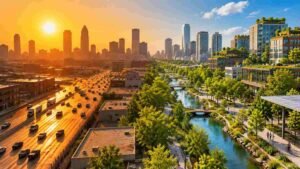
I have always found waterfronts fascinating because they show how cities respond when valuable land loses its original purpose. Former ports, warehouses, rail corridors, and industrial yards can remain disconnected from everyday life for decades. Yet thoughtful redevelopment can turn these neglected edges into active neighbourhoods, ecological corridors, cultural destinations, and resilient public spaces.
By examining waterfront redevelopment case studies, I can see that successful transformation depends on more than attractive architecture. It requires public access, transport connections, environmental repair, mixed uses, practical funding, community participation, and long-term management.
What Makes Waterfront Redevelopment Successful?
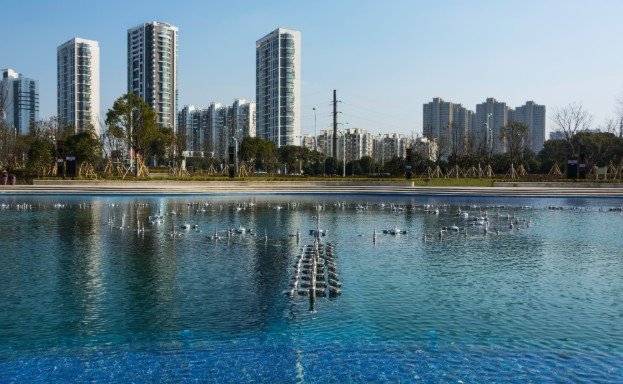
A successful waterfront should reconnect the city to the water rather than create an isolated development beside it. Continuous walking and cycling routes, frequent access points, public transport, shaded gathering areas, and clear links to nearby neighbourhoods make the shoreline useful to more people.
The strongest projects also balance commercial activity with public value. Housing, offices, restaurants, markets, cultural venues, and event spaces can support economic growth, but they should not remove free access to the water.
Climate adaptation is equally important. Floodable parks, raised buildings, restored wetlands, permeable surfaces, and flexible waterfront edges can reduce environmental risks while improving the quality of public space.
Granville Island: Adaptive Reuse With Local Character
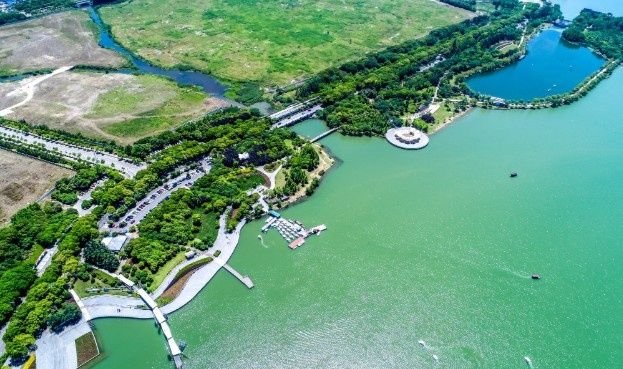
Granville Island demonstrates how an ageing industrial district can become a lively destination without erasing its working identity. Instead of replacing every warehouse, the redevelopment reused industrial buildings for markets, workshops, theatres, studios, shops, and food spaces.
Why the Project Works
Its success comes from variety. Visitors encounter makers, performers, traders, students, residents, and industrial businesses within the same district. The area feels authentic because redevelopment preserved its physical texture and encouraged everyday activity rather than depending on a single landmark.
The wider lesson is that adaptive reuse can create a stronger sense of place than complete demolition. Flexible buildings also allow activities to change as local needs evolve.
HafenCity: Planning for Flood Resilience
HafenCity transformed former port land into a major urban district containing homes, offices, cultural buildings, public squares, and waterfront promenades. Its most valuable planning lesson is the integration of flood resilience into the district’s design.
Designing Around Water Risk
Many buildings and important routes sit above expected flood levels, while lower promenades can tolerate periodic flooding. This layered approach keeps people close to the water without pretending that flood risk can be completely eliminated.
The project also shows why large redevelopments should be completed in phases. A longer programme allows planners to test public spaces, adjust land uses, and respond to changing environmental or economic conditions.
However, major districts still need affordable housing, social diversity, local services, and accessible transport if they are to become complete neighbourhoods rather than exclusive destinations.
Puerto Madero converted obsolete docklands into a prominent mixed-use district. Historic warehouses were adapted for offices, homes, restaurants, hotels, and cultural activities, while bridges and promenades improved movement around the docks.
Successes and Limitations
The project strengthened the city’s international image and attracted substantial investment. It also demonstrated the commercial value of preserving waterfront heritage.
However, its exclusivity provides an important warning. A visually impressive district may still feel disconnected when high land values and expensive uses limit broad participation. Redevelopment should therefore measure social accessibility alongside investment, property values, and visitor numbers.
Cheonggyecheon: Restoring Water and Public Space
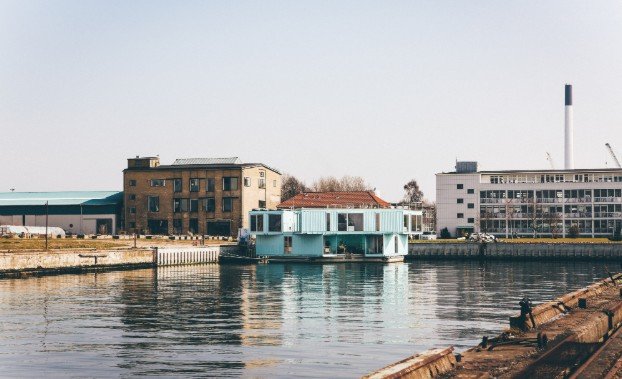
The Cheonggyecheon project replaced an elevated road corridor with a restored stream and linear public space. It introduced water, vegetation, walking routes, bridges, and gathering areas into a dense urban setting, while also offering valuable lessons for projects exploring bio-based materials for digital fabrication.
Infrastructure Can Become Public Realm
The project illustrates how cities can reconsider infrastructure that separates people from natural systems. Removing road space created room for walking, cooling, habitat restoration, recreation, and cultural activity.
However, transformation at this scale can affect traders, traffic patterns, nearby rents, and established communities. Meaningful consultation, relocation support, and transparent monitoring are essential when public improvements change local economic conditions.
Sabarmati Riverfront: Civic Space and Flood Management
The Sabarmati Riverfront combined river engineering with promenades, gardens, roads, event areas, and development parcels. It created extensive public access along a waterfront that had previously been difficult to reach.
Why Social Planning Matters
The project demonstrates how flood management and public-space development can be planned together. It also raises important questions about resettlement, ecological change, and who benefits from reclaimed land.
Housing security, livelihood protection, water quality, habitat conservation, and public access should be addressed during the earliest planning stages rather than after construction has begun.
Shared Lessons From Major Waterfront Projects
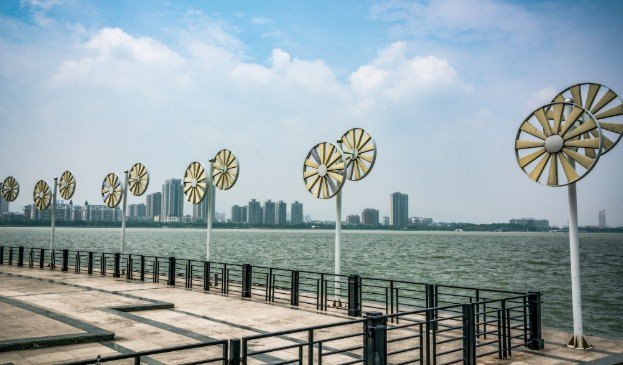
Strong projects begin with a clear understanding of site history, environmental conditions, land ownership, infrastructure, and surrounding communities. They preserve valuable heritage, repair damaged ecosystems, reconnect streets to the shoreline, and create reasons to visit throughout the day and year.
They also rely on realistic governance and funding models. Public agencies may provide land, infrastructure, planning authority, or flood protection, while private partners deliver buildings and commercial uses.
Clear responsibilities for cleaning, security, programming, repairs, and landscape maintenance help protect the investment over time.
Measurable outcomes matter as well. Cities should track public-space area, promenade length, affordable housing, visitors, employment, habitat restoration, flood capacity, transport access, local business participation, and resident satisfaction. These indicators show whether redevelopment is producing broad public value.
Common Waterfront Redevelopment Mistakes
Waterfront renewal can fail when it becomes a collection of luxury buildings with limited public access. Other risks include disconnected promenades, weak transport links, excessive reliance on tourism, loss of maritime activity, token community engagement, poor maintenance planning, and ecological features added only for appearance.
Cities should also avoid copying another project without considering local climate, culture, economy, geography, and water conditions. A strategy that succeeds in a sheltered harbour may not work beside a flood-prone river or an active industrial port.
Frequently Asked Questions
1. What can cities learn from waterfront redevelopment case studies?
Cities can learn how different projects balance public access, development, heritage, resilience, transport, ecology, financing, and community needs. Comparing results also helps planners identify recurring risks and transferable strategies.
2. Why is mixed-use development important?
A combination of homes, workplaces, cultural spaces, recreation, retail, and public facilities creates activity at different times. It also reduces dependence on tourism or a single commercial use.
3. How can waterfront projects improve climate resilience?
Projects can restore wetlands, create floodable parks, raise critical routes, introduce permeable landscapes, protect habitats, and design buildings for changing water levels.
4. What should be measured after redevelopment?
Useful measures include local employment, affordable housing, public-space use, biodiversity, water quality, flood performance, business participation, transport access, and community satisfaction.
Closing Perspective
I believe the most successful waterfront transformations are not simply property projects. They are long-term agreements between a city, its communities, its economy, and its natural systems. Attractive promenades and landmark buildings can support change, but they cannot replace fair access, ecological responsibility, practical governance, and social inclusion.
For me, the central lesson is clear: a waterfront should remain genuinely public while becoming safer, more connected, more useful, and more resilient. When planners respect local history, measure meaningful outcomes, and involve affected communities from the beginning, neglected shorelines can become enduring parts of urban life.