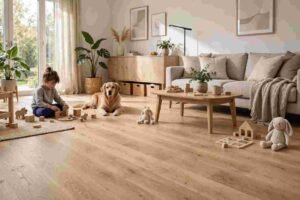
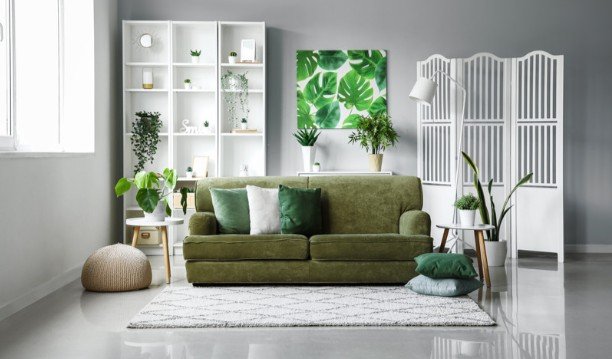
I want furniture that handles real life: morning coffee, busy dinners, visiting friends, and the occasional spill. A beautiful chair loses its appeal when it wobbles after six months.
That is why I approach choosing eco friendly furniture for everyday use as a practical decision about comfort, construction, and keeping useful pieces longer. You do not need to replace everything or buy expensive designer furniture. Start with what your household needs, then look for evidence behind environmental claims.
Start With What You Already Have
Before shopping, check whether your current furniture needs replacement. Tightening hardware, repairing a drawer, or replacing worn cushion inserts may restore its usefulness without another major purchase.
If something no longer fits your space, consider selling or donating it while it remains usable. Check donation requirements before arranging transportation.
For replacements, explore local resale shops, estate sales, and Habitat for Humanity ReStores. Inspect joints, upholstery, odors, and signs of pests. A bargain becomes expensive when repairs exceed your budget. Measure doorways, stairs, and elevators before committing, especially when furnishing an apartment.
Look Beyond the Material Name
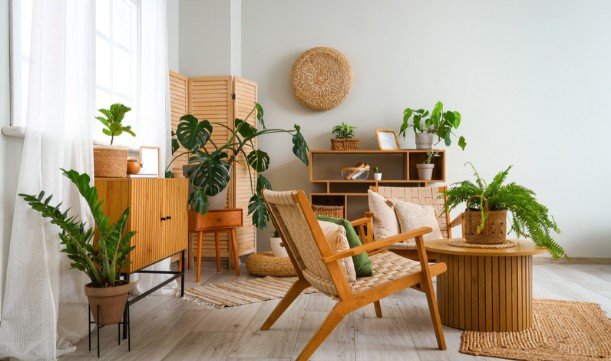
A bamboo label or rustic appearance does not tell the whole environmental story. Ask where materials came from, how they were processed, and whether the finished furniture can be maintained.
Wood, Bamboo, and Reclaimed Materials
For new wood furniture, look for credible sourcing documentation, including applicable FSC certification. Check the specific product claim rather than assuming every item from a certified brand qualifies.
Reclaimed wood can reuse existing resources, but inspect it for damage and ask about previous coatings. Bamboo also deserves scrutiny: adhesives, finishes, sourcing, and construction affect the final product.
Solid wood often allows refinishing, while well-constructed plywood can suit certain applications. Avoid judging durability by one material alone; panel quality, joinery, hardware, and intended use matter together.
Upholstery and Recycled Content
Ask for the fabric composition and care instructions. Cotton, linen, wool, and synthetic blends offer different maintenance and performance characteristics. Natural does not automatically mean untreated or suitable for every household.
For recycled materials, request the percentage and the component containing it. A recycled frame does not mean the cushions and upholstery are recycled too. Similarly, recyclable furniture still needs an available collection or processing route where you live.
Understand Certifications Before Trusting Claims
Different labels answer different questions. FSC addresses forest-based material sourcing and chain-of-custody claims. GREENGUARD evaluates chemical emissions; GREENGUARD Gold applies stricter emission limits.
GOTS concerns certified organic textiles and processing requirements. OEKO-TEX STANDARD 100 tests textiles for specified harmful substances. CertiPUR-US applies to qualifying polyurethane foam, rather than certifying an entire sofa as sustainable.
For covered composite-wood products sold in America, check TSCA Title VI compliance. This addresses formaldehyde emission requirements, rather than proving complete environmental responsibility.
Ask for documentation matching the product model. Broad statements such as “green,” “clean,” or “earth conscious” need specific supporting details.
Match Furniture to Your Daily Routine
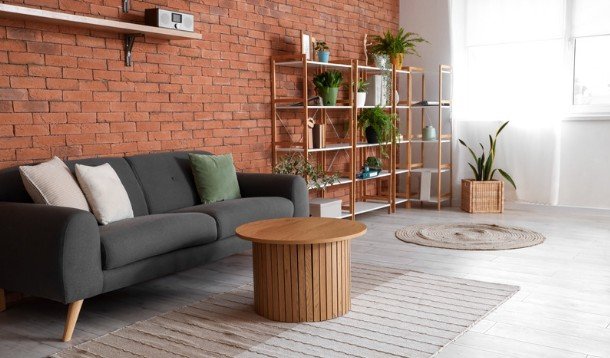
The most useful approach to choosing eco friendly furniture for everyday use combines environmental checks with realistic expectations about your home. Furniture that feels uncomfortable or requires impractical upkeep is harder to keep long term.
Sofas and Chairs
Sit comfortably, check support, and ask how cushions can be replaced. Removable covers can simplify maintenance, provided their washing instructions suit your routine. For homes with pets or children, request fabric samples and ask about durability testing and any stain-resistant treatments.
Tables, Desks, and Storage
Check stability, drawer movement, shelf weight limits, and accessible hardware. Ask whether scratched surfaces can be repaired or refinished. A desk should accommodate your working position, while dining chairs should remain comfortable beyond a quick showroom test.
For smaller homes, consider an extendable table or adaptable shelving. Choose multifunctional pieces only when each function works well.
Compare Repairability and Long-Term Cost
Before checkout, ask whether replacement legs, hinges, covers, and cushions are available. Accessible screws and removable components can make future repairs simpler. Read warranty exclusions and check who pays transportation or labor costs.
Keep receipts and photograph product labels after delivery. As you embrace minimalism in compact home spaces, prioritize caring for the pieces you use daily. Schedule basic care, protect surfaces as directed, and address loose joints promptly. Small maintenance habits can prevent avoidable damage from becoming a replacement decision.
Compare likely ownership costs rather than price alone. In a hypothetical example, a $600 table kept for ten years costs $60 annually. A $250 table replaced after three years costs about $83 annually, excluding maintenance and resale value. These figures do not predict lifespan. Higher prices need evidence of better construction, repair support, or useful warranty coverage.
Check Delivery and Future Options
Buying from nearby makers can make questions and repairs easier, but a local showroom does not establish local manufacturing or material sourcing. Ask where the item was made and what packaging arrives with it.
Confirm return fees before ordering bulky furniture. Check whether the manufacturer offers refurbishment, take-back, or replacement parts. Keep assembly instructions and material information so future repairs, resale, or responsible disposal become easier.
Frequently Asked Questions
1. Is choosing eco friendly furniture for everyday use expensive?
It does not have to be. Repairing existing pieces, buying carefully inspected secondhand furniture, and prioritizing frequently used items can help control spending.
2. Is secondhand furniture always the better choice?
Secondhand furniture extends an existing product’s usefulness, but condition matters. Consider safety, pest concerns, repair needs, transportation, and whether it suits your household.
3. Does low-emission furniture mean chemical-free furniture?
No. Low-emission claims concern specified emissions under defined conditions. Check independent documentation and avoid interpreting any single certification as proof of every environmental benefit.
Final Thoughts
I would rather choose one comfortable, repairable piece than rush into a roomful of purchases. My starting point is simple: keep what works, question vague claims, and buy for actual daily habits. When materials, maintenance, comfort, and repair options align, furniture has a stronger chance of staying useful. That makes a thoughtful home feel achievable, even when the budget is modest.