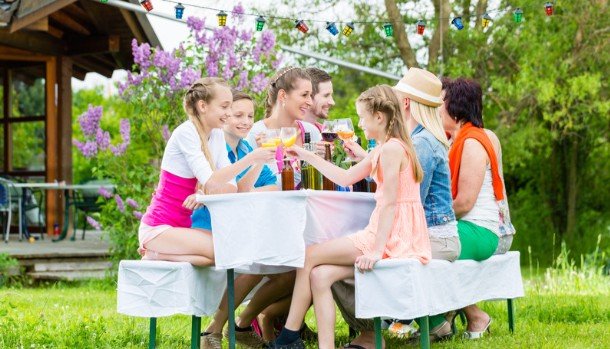
I find that meeting neighbors feels easier when there is something useful to do together. A shared watering task offers a natural opening, especially when introducing myself out of the blue feels awkward. That is why I appreciate ways to connect with neighbors through community gardens: the focus starts with plants, but the conversation can grow into something more.
You do not need expert skills, expensive supplies, or your own plot. Showing up, asking questions, and offering manageable help can give you a place in the group.
1. Find a Garden That Welcomes Participation
Start with your city parks department, neighborhood association, public library, or county extension office. Ask about nearby gardens, volunteer sessions, membership fees, and waiting lists, as well as whether space syntax analysis has informed garden layouts and community access.
Before visiting, contact the coordinator. Some gardens welcome drop-in volunteers; others require registration or orientation. If every plot is taken, ask whether you can help maintain shared beds or attend workshops. Joining an existing group is often a simpler starting point than launching a garden yourself.
2. Introduce Yourself With a Gardening Question
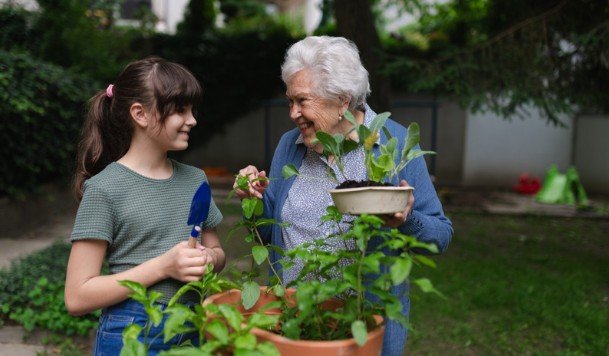
You do not need an impressive gardening story. A specific, friendly question gives someone an easy way to respond.
Try asking, “What grows well in this bed?” or “Is there a beginner task I could help with today?” Introduce yourself and learn the other person’s name.
Keep the first conversation brief if someone is busy. At your next visit, ask how their seedlings are doing. Remembering a small detail helps the next exchange feel more familiar.
3. Choose a Regular Time to Show Up
A predictable routine gives you opportunities to see the same people. Choose a workday or volunteer shift that fits your schedule, even if you can only stay briefly.
Ask whether the garden has a recurring weekend cleanup, evening watering session, or monthly gathering. Consistency makes it easier to continue conversations and build trust.
Promise only what you can manage. A reliable half-hour contribution is more helpful than taking responsibility for tasks you regularly miss.
4. Share a Small Task With Someone
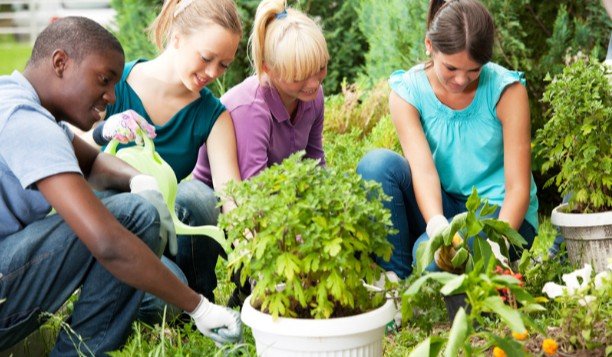
Working beside another gardener creates conversation without requiring constant eye contact or polished small talk. Ask the coordinator to pair you with someone for mulching, labeling seedlings, or tidying a communal bed.
Let experienced gardeners explain their methods before suggesting changes. Offer help without assuming anyone needs rescuing.
Among the simplest ways to connect with neighbors through community gardens is finishing something together. Clearing one path gives you a shared accomplishment and a reason to thank each other.
5. Exchange Seeds, Seedlings, and Useful Tips
A small swap gives neighbors something practical to discuss. Ask permission to organize one during an existing gathering.
Label seeds with the crop, variety, and any available planting information. Include the collection year for saved seeds when known. Avoid bringing plants with visible pests or disease.
Make contributions optional so beginners can participate without bringing supplies. Invite people to explain why they enjoy a particular variety. A family recipe or growing memory can open conversations beyond gardening technique.
6. Join a Workshop or Offer Another Skill
Look for garden demonstrations or ask whether a local Master Gardener volunteer could lead a session. Learning together gives newcomers and experienced members a common activity.
Physical gardening is only one contribution. You might help translate notices, organize supplies, take photographs with permission, or update the calendar.
Ask what would actually help before volunteering a service. Offering a small, clearly defined task makes participation more manageable for people with different abilities, interests, and schedules.
7. Share Harvests With Clear Permission
Extra herbs or tomatoes can create a friendly reason to talk, but first learn the garden’s harvesting rules. Individual plots, communal beds, and donation rows may have different arrangements.
Never assume unpicked produce is available. Ask before harvesting or offering someone else’s crops.
For an approved sharing table, label items clearly and explain who may take them. If members want to donate produce, contact a nearby food pantry about its acceptance guidelines before collecting a delivery.
8. Make Gatherings Easy to Attend

Suggest something modest: a short garden walk, a picnic after a workday, or a seasonal recipe exchange. Agree on timing and plans with the coordinator.
Explain whether visitors can attend without gardening experience or a plot. Share any relevant accessibility information and avoid making purchases or food contributions a condition of joining.
At the event, introduce people who have not met. Ask whether they would like an introduction rather than leaving newcomers to approach an established group alone.
9. Keep Communication Friendly and Boundaries Clear
Use the garden’s agreed communication channels. A noticeboard, email list, or optional group text can share workdays and invitations.
Include a way for people without smartphones to receive updates. Get consent before adding numbers to a group or publishing photographs.
Respect borrowed tools, return supplies promptly, and follow watering arrangements. If a disagreement develops, discuss the specific problem calmly and involve the coordinator when needed. Clear expectations protect the relationships everyone is trying to build.
10. Stay Connected Beyond Harvest Season
Before the season ends, ask whether members want to exchange recipes, plan seeds, or meet at the library.
Keep invitations low-pressure and occasional. Some neighbors want close friendships; others enjoy friendly conversations during garden visits. Both forms of connection matter.
Thank people for specific contributions and welcome returning members by name.
Frequently Asked Questions
1. What are easy ways to connect with neighbors through community gardens?
Attend a scheduled workday, introduce yourself, and offer help with one shared task. Return regularly so conversations can develop naturally over time.
2. Can I participate without renting a plot?
Ask the coordinator about communal beds, volunteer days, workshops, or organizing tasks. Participation options vary, so confirm arrangements before arriving.
3. Do I need gardening experience?
Many groups offer suitable beginner tasks. Explain your experience honestly, request instructions, and start with a responsibility that matches your available time.
Growing Friendships One Visit at a Time
I would start with one visit and one introduction. Learning a name, keeping a promise, and returning next week can be enough to begin. I see a welcoming garden as a place where small contributions count and relationships have time to grow.
For me, the most meaningful connections begin with simple gestures: offering a hand, listening to someone’s growing advice, or remembering to ask about their tomatoes. There is no need to rush a friendship or attend every event. A comfortable routine gives familiarity time to develop.
I would also make room for newcomers as I became more settled. A friendly greeting or an invitation to work beside me could help someone else feel included. Over time, those everyday moments can make both the garden and the surrounding neighborhood feel more like home.