
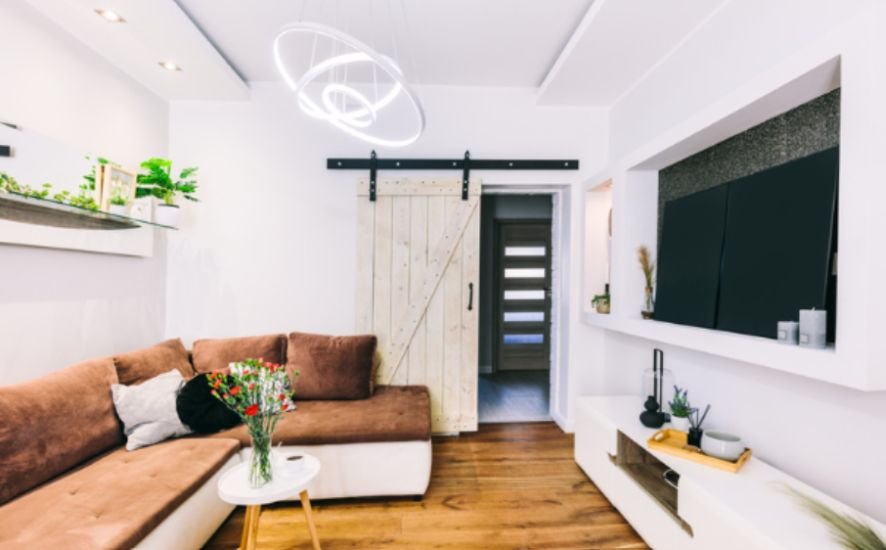
I want a small home to feel welcoming when I walk through the door, with somewhere comfortable to sit and enough room to move. That takes more than matching baskets or a smaller coffee table. These small apartment living tips for greater comfort focus on how you actually live, from making breakfast to working remotely and winding down at night.
Whether you rent a 450-square-foot studio in Chicago or share a one-bedroom in Brooklyn, start with the frustrations you notice daily. A useful layout should support your routines before it impresses anyone else.
1. Find Your Biggest Comfort Problem First
Walk through your apartment during a typical morning. Notice where you squeeze past furniture, search for essentials, or struggle to find a clear surface. Repeat this check in the evening, when lighting and privacy become more noticeable.
Choose one recurring problem to solve first. Move the chair blocking your closet before buying another organizer.
2. Arrange Furniture Around Everyday Movement
Map the routes between your entry, kitchen, bathroom, and bed. Keep those paths clear, including space for cabinet doors, dresser drawers, and dining chairs to open or move.
Test the Layout Before Buying
Mark a potential sofa or table footprint with painter’s tape suitable for your flooring. Walk around it and check door swings.
Floating furniture can help define an open room, but only when circulation still works. Placing a sofa against a wall can be the sensible choice in a narrow apartment.
3. Choose Furniture for Comfort and Proportion
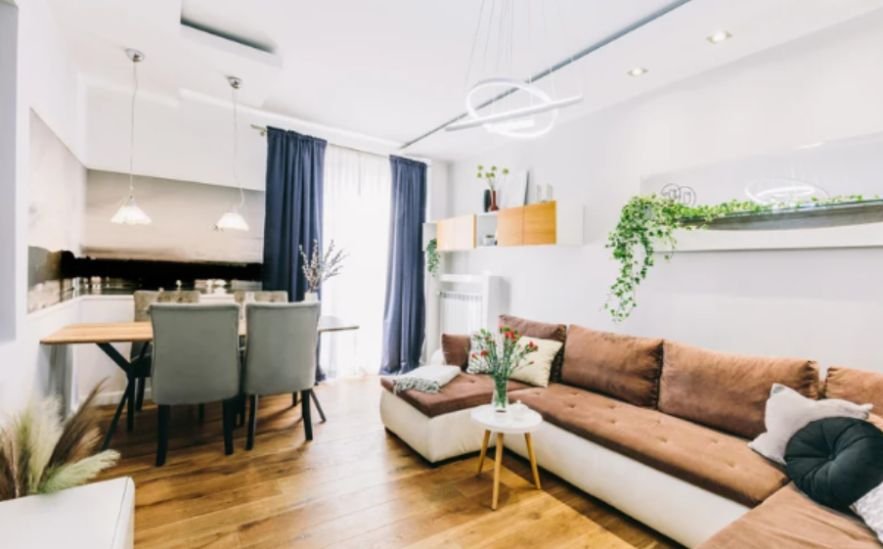
A slim sofa with supportive cushions may suit your room better than a deep sectional. However, choosing the smallest available furniture can leave you with seating you dislike using.
Check seat depth, back support, and arm height in person when possible. Consider furniture with visible legs if you prefer a lighter appearance, but let comfort guide the final choice.
Make Multifunctional Pieces Earn Their Space
Storage ottomans, nesting tables, and drop-leaf dining tables can reduce furniture needs. Before purchasing a sleeper sofa, consider how often you will unfold it and where nearby furniture must go.
4. Store Belongings Where You Use Them
Keep everyday items near the activities they support. Put a small tray for keys beside the entrance and store charging cables near your usual seat.
Use under-bed containers for seasonal clothing and over-door organizers where doors still close properly. Vertical shelving helps preserve floor space, while closed cabinets keep mismatched supplies out of sight.
Declutter duplicates before adding storage. In the kitchen, choose equipment that serves your cooking habits, and consider containers that work for both leftovers and serving. Keep frequently used items within easy reach rather than placing everything overhead.
5. Balance Daylight, Evening Lighting, and Privacy
Keep bulky furniture away from windows when possible. Choose adjustable window coverings that let you enjoy daylight while maintaining privacy from nearby buildings.
In my view, the most useful small apartment living tips for greater comfort address different times of day. A bright workspace and a relaxing evening corner require different lighting arrangements.
Combine general lighting with a reading lamp or focused desk light.
Choosing energy-efficient lighting and incorporating natural daylight into building design can further reduce electricity use, as highlighted in these net-zero energy design strategies for buildings.
Position lamps to avoid screen glare. Mirrors can reflect an appealing view or brighten a dim corner, but check what they reflect before hanging them.
6. Give Daily Activities Their Own Zones
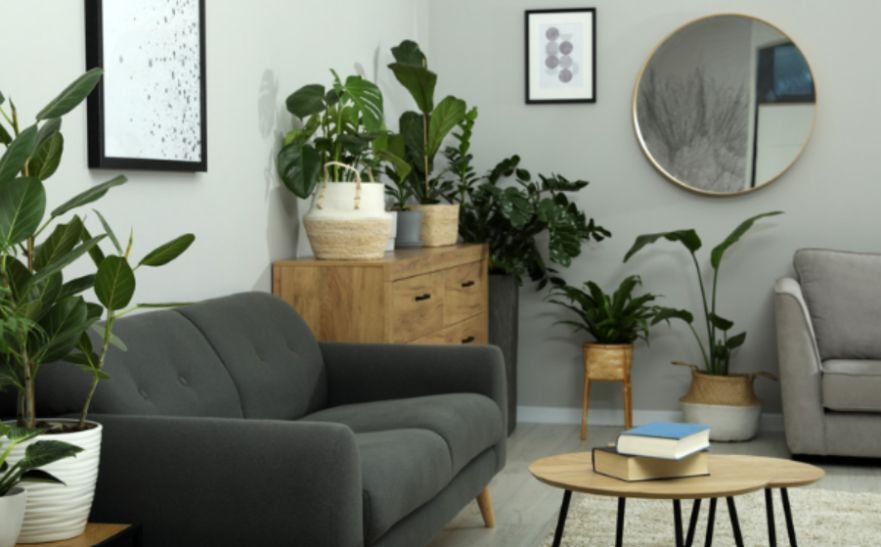
A studio can have distinct sleeping, dining, and working areas without permanent partitions. A rug can define seating, while a curtain or freestanding screen can provide visual separation around a bed.
Avoid blocking daylight or creating an awkward route through the room. If you use a bookshelf as a divider, follow its installation and anchoring instructions.
For remote work, a compact desk or designated table corner can help. At the end of the day, put the laptop and paperwork away so the room feels ready for relaxation.
7. Address Noise and Temperature Discomfort
Notice whether discomfort comes from echoes inside your room, sounds from neighbors, afternoon heat, or drafts.
Evaluating how a building performs after residents move in can also reveal issues affecting everyday comfort, energy efficiency, and indoor conditions, as discussed in this guide to post-occupancy evaluation of sustainable building performance.
Different problems call for different responses.
Rugs, curtains, and upholstered furniture can soften room echoes, though they will not soundproof shared walls.
Flooring choices can also influence a room’s durability, maintenance needs, and overall comfort, so consider these practical tips on how to choose hardwood floors that last before making a long-term flooring decision.
Moving your bed away from a noisy adjoining wall may be worth testing.
Use shades to manage strong afternoon sunlight and keep furniture clear of heating and cooling vents. Report persistent drafts, leaks, or equipment problems to property management rather than covering up the symptoms.
8. Add Personality Without Filling Every Surface
Choose a coordinated palette that you enjoy. Light colors can create an airy impression, while deeper accents can make a reading or sleeping corner feel inviting.
Add texture through a washable rug, comfortable bedding, or a favorite throw. Display a few meaningful photographs or artworks instead of crowding every shelf. Choose plants suited to the available light and your ability to care for them.
Check your lease before painting or installing hardware. Removable products still need surface testing and careful removal.
9. Keep Comfort Manageable With a Daily Reset
Spend a few minutes returning belongings to their homes, clearing the dining surface, and preparing essentials for tomorrow. Use a temporary basket for loose items, then empty it regularly. Before buying anything new, decide where it will live. Maintaining breathing room is easier when purchases solve a specific problem.
Frequently Asked Questions
1. Which small apartment living tips for greater comfort should renters try first?
Start by clearing walking routes, rearranging existing furniture, and improving task lighting. These changes help identify what your apartment needs before you spend money.
2. How Can I Make a Studio Feel More Private?
Use an adjustable curtain or freestanding screen to separate sleeping space. Preserve access to windows, exits, and everyday storage when choosing its position.
3. Do I Need to Buy Smaller Furniture?
Choose furniture proportionate to the room and comfortable for your body. Fewer useful pieces often work better than several tiny pieces that crowd movement.
Final Thoughts
I’ve found that a comfortable home comes together through small decisions that make everyday routines easier. An uncluttered entryway, a supportive chair, or a well-placed lamp can make a noticeable difference without a major makeover.
I would keep what works, adjust what feels awkward, and leave enough flexibility for changing needs. Your apartment should feel like a place where you can settle in and enjoy being home.