

I approach living without a car as a planning decision: can everyday destinations fit into a manageable routine? The most useful car free living tips for urban residents start with that question. Walking to groceries sounds appealing until heavy bags, an evening shift, or a missed bus changes the calculation.
A workable plan combines nearby essentials, dependable transportation, and affordable backups. Whether you live in Chicago, Philadelphia, or a spread-out metro area, start by testing your actual schedule before making permanent changes.
Check Your Neighborhood Before Changing Your Routine

A city address does not automatically make life without a vehicle convenient. What matters is the connection between your home and the places you visit regularly.
The layout of streets, access to public transportation, and proximity to essential services all influence how urban design shapes everyday routines, making neighborhood planning an important part of car-free living.
Map Your Essential Destinations
Check routes to work, groceries, a pharmacy, healthcare, and friends. Measure door-to-door travel time, including walking to stops, waiting, transfers, and the return trip. Repeat the search for evenings and weekends rather than relying on a weekday morning estimate.
Look beyond distance. A nearby supermarket across a multilane road may be less accessible than one farther away along continuous sidewalks. Check crossings, lighting, hills, benches, and station elevators where needed.
Compare Housing and Transportation Together
If moving is realistic, compare total monthly costs. A more expensive apartment near work may reduce transportation spending, but calculate the difference using your own expenses. Rent, utilities, transit, and occasional vehicle access all belong in the comparison.
Try a Week Without Driving
Keep your car available during an initial seven-day experiment. Follow your normal routine instead of planning an unusually quiet week.
Walk a short errand, test your commute, buy groceries, and visit someone after work. Record travel time, spending, discomfort, and missed connections. Include a weekend journey when schedules may differ.
One successful week is useful evidence, but seasonal conditions need another test. Try your alternatives during rain, summer heat, or winter weather before deciding they work year-round. Reducing a household from two cars to one can also be a practical intermediate step.
Combine Transportation Options Around Each Trip
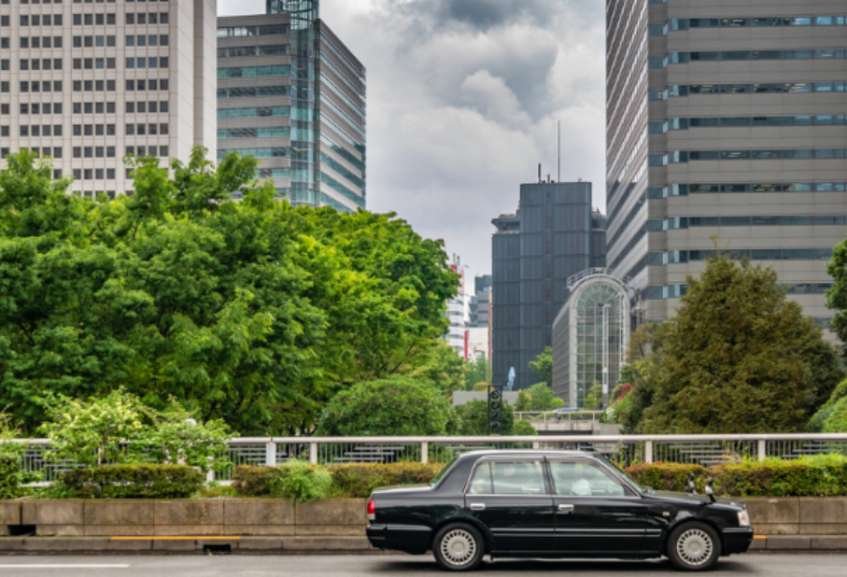
The strongest car free living tips for urban residents make room for different needs. Walking, buses, trains, bicycles, and occasional vehicle access can work together.
Choosing public transportation, walking for shorter errands, and reducing unnecessary car journeys are also practical sustainable lifestyle habits for city dwellers that can make everyday routines more environmentally responsible.
Learn Your Local Transit System
Use your transit agency’s website to check fares, payment methods, operating hours, accessibility information, and service alerts. Compare individual fares with passes based on how often you expect to ride.
Save a second route for important trips. Check the last departure before an evening outing, and allow extra time for connections. Real-time tracking helps with planning, but keep room for delays.
Make Cycling Optional and Practical
A bicycle can connect your apartment to a station or nearby errands. Test comfortable routes before buying equipment; a direct route may have stressful intersections.
Consider storage, stairs, locks, maintenance, and carrying capacity. Check your building’s rules before purchasing an e-bike, and confirm your transit agency’s bicycle policies before combining modes. Readers who cannot cycle can build their routine around accessible transit, walking or rolling, and suitable backup services.
Solve Groceries and Apartment Logistics
Buy smaller loads more frequently when a store is convenient. A folding shopping cart can help with heavier purchases, while properly fitted panniers offer carrying space for cyclists.
“Making thoughtful choices about what you bring home and how you organize everyday essentials also helps when embracing minimalism in a compact home, especially when storage space is limited.”
Plan for the final stretch upstairs. A loaded cart may be awkward in a walk-up, so divide purchases into bags you can comfortably carry.
Compare delivery charges, tips, and order minimums for bulky staples. An occasional delivery or rental can solve a difficult errand without becoming an everyday expense. Include laundry, returns, and household donations in your planning too.
Build a Budget That Includes Backup Trips

Start with the expenses you actually pay for driving: payments, insurance, fuel, parking, registration, and maintenance. Consider depreciation separately when comparing the broader economic cost of ownership, avoiding double counting vehicle purchase costs.
Next, estimate transit fares, bicycle upkeep, deliveries, rentals, and ride-hailing. Include the equipment needed to get started.
For illustration, $100 for transit, $25 for equipment upkeep, $40 for deliveries, and $100 for backup travel totals $265 monthly. These are hypothetical allowances, not local prices. Replace each figure with current quotes and your expected usage.
Prepare for Disruptions and Different Household Needs
Carry weather-appropriate layers, comfortable footwear, and a charged phone. Save essential route details offline and consider a portable charger for longer days.
For late shifts, identify a workable route home before accepting transit as your main commute. Build a backup travel allowance around realistic local prices.
Parents should test school pickup timing and stroller access. Pet owners need to check carrier requirements before traveling. Caregivers should assess recurring appointments and destinations individually. Accessible stops, elevators, and vehicle availability deserve direct checks rather than assumptions.
Frequently Asked Questions
1. Which car free living tips for urban residents should beginners try first?
Start by mapping essential destinations and testing a normal week without driving. Track travel time and costs, then identify dependable alternatives for your hardest trips.
2. Can I still rent a car occasionally?
Yes. Living without owning a vehicle can include occasional rentals or car sharing. Compare availability, eligibility, total charges, and pickup arrangements before depending on them.
3. How can I help improve transportation locally?
Report broken sidewalks or inaccessible stops through local channels. Participate in transportation meetings and support specific improvements that would make your regular routes easier to use.
Make the Routine Work for Your Life
I would judge this change by whether daily life becomes manageable and affordable. Start with trips you can comfortably replace, learn from difficult journeys, and keep useful backups. A routine that fits your responsibilities is easier to maintain than an ambitious plan that leaves everyday needs unresolved.