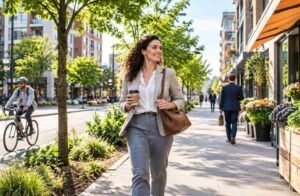
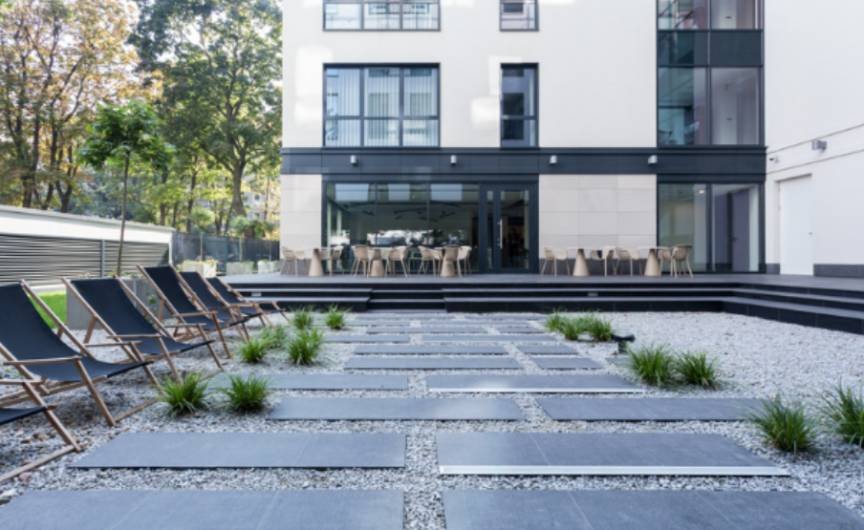
I notice a neighborhood’s design most when an ordinary task becomes unexpectedly difficult. A grocery store looks close, yet reaching its entrance means crossing a busy road and circling a parking lot. Meanwhile, a shaded sidewalk can turn a necessary errand into an enjoyable walk. Understanding how urban design shapes everyday routines helps me see why some places make daily life easier.
Across American cities and suburbs, street layouts, building locations, and public spaces influence everyday choices. They affect how we commute, shop, meet neighbors, and spend time outside. These effects begin with practical details that residents encounter repeatedly.
Why Neighborhood Design Changes Daily Choices
Urban design concerns how streets, buildings, parks, and other spaces fit together.
Building energy efficiency is another important consideration in shaping sustainable communities, and these net-zero energy design strategies for buildings explain how thoughtful design can reduce energy consumption.
It influences the effort required to reach destinations and the comfort of spending time between them.
Imagine two households living equally far from a pharmacy. One follows a direct sidewalk with a safe crossing. The other encounters missing sidewalks and an entrance behind a large parking lot. The distance may be similar, but the experience differs.
Design creates opportunities and obstacles. Income, disability, weather, schedules, and personal preferences also shape what people can realistically do.
1. Connected Streets Make Morning Travel Easier
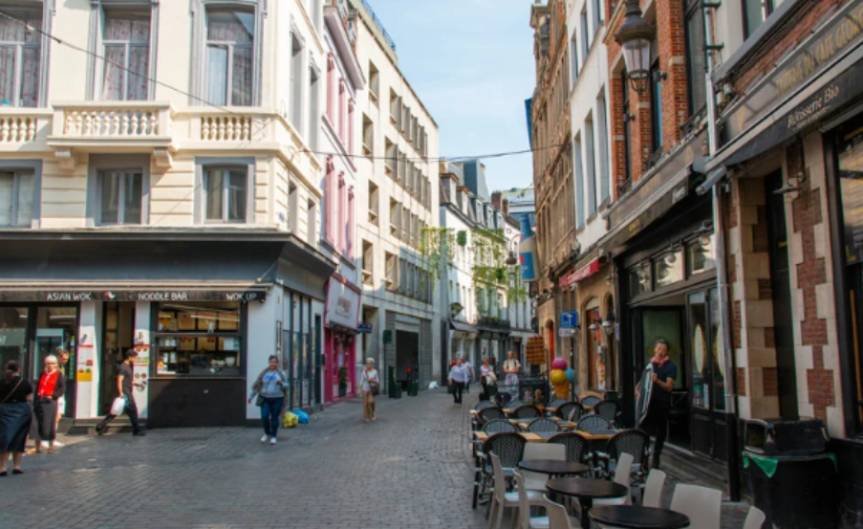
A commute starts before someone boards a bus or enters a freeway. Getting from the front door to a transit stop, bicycle route, or parking space is part of the journey.
Connected streets offer several ways to reach a destination. Dead-end street and disconnected developments can require long detours, even when workplaces or stations appear nearby.
The Connection Matters as Much as the Destination
A nearby bus stop becomes less useful when reaching it requires crossing several traffic lanes without a convenient crossing. Continuous sidewalks, curb ramps, and sheltered waiting areas make that connection more practical.
Reliable service matters, too. Attractive streets cannot compensate for buses that arrive too infrequently for someone’s work schedule.
2. Nearby Essentials Simplify Everyday Errands
When homes, grocery stores, pharmacies, and services sit near one another, residents may combine several tasks into one trip.
In a mixed-use neighborhood, someone might collect a prescription after work and buy dinner ingredients on the way home. Separated destinations can turn those activities into multiple drives.
However, proximity alone does not guarantee convenience. Stores must offer suitable products, affordable prices, and opening hours that match residents’ schedules. A nearby market that closes before a night-shift worker wakes up provides limited help.
3. Safer Crossings Shape School-Day Routines
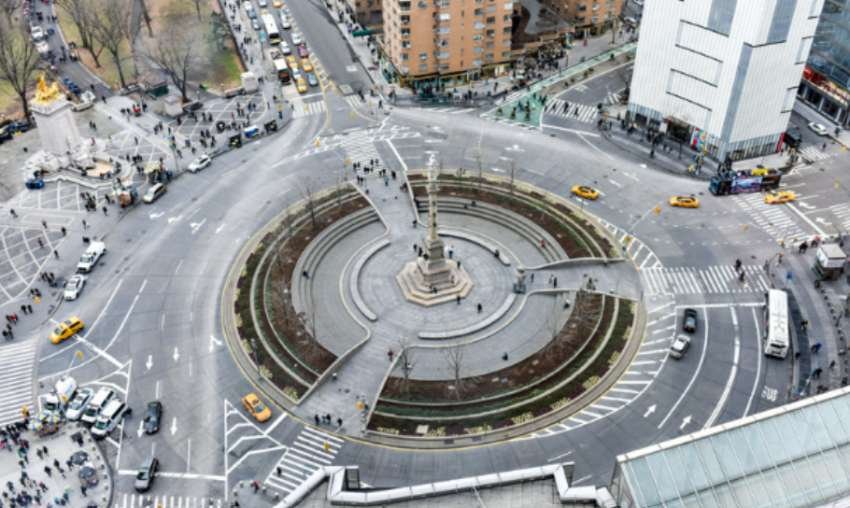
For families, road design can influence whether children walk to school or need an adult to drive them. Wide intersections, turning vehicles, and incomplete sidewalks can make a short journey difficult. Shorter crossings, pedestrian refuge islands, and appropriate traffic-calming measures can make routes easier to navigate.
School arrival areas also need thoughtful organization. Conflicts arise when buses, bicycles, pedestrians, and family vehicles converge without clear routes.
Parents should assess actual conditions and children’s abilities. A route marked on a map does not automatically provide a comfortable journey.
4. Shade and Seating Influence Outdoor Breaks
A bench beneath a tree can make a lunch break outdoors practical. An exposed plaza without seating may offer little reason to stay.
In hot cities such as Phoenix, shade along the entire route deserves attention. A shaded destination still requires an uncomfortable journey if surrounding sidewalks lack protection.
Understanding how urban design shapes everyday routines means noticing these small barriers. Seating, drinking fountains, maintained surfaces, and accessible restrooms can determine whether someone extends an outing or heads home.
Green spaces become especially useful when they connect with places people already visit.
5. Shared Spaces Create Opportunities to Connect
Neighborhood relationships often develop through repeated, ordinary encounters. People recognize the same dog walkers, greet a familiar shopkeeper, or chat while children play.
Parks, libraries, small plazas, and community gardens provide places for these interactions.
Thoughtful regenerative design can also help create healthier, more sustainable shared environments, as explained in these regenerative design frameworks for institutional buildings.
Comfortable public seating also allows people to spend time together without buying anything.
Design can support connection, but it cannot guarantee friendship. Spaces need maintenance, welcoming rules, and activities that reflect local interests.
Residents should help shape improvements. A space designed around actual neighborhood needs is more useful than one created mainly for photographs.
6. Accessibility Determines Who Can Participate
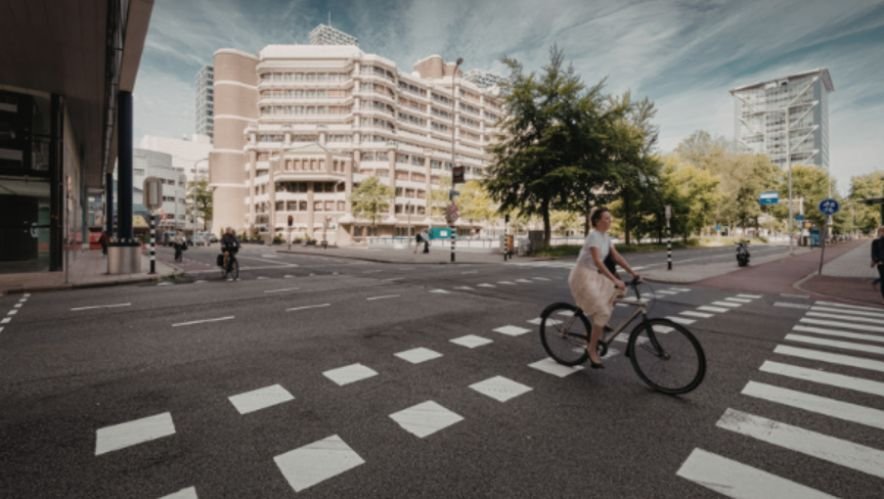
A neighborhood can appear walkable while remaining difficult for many residents.
Uneven pavement can interrupt a wheelchair journey. Missing curb ramps can force a stroller into the street. Long distances between seats can limit an older adult’s outing.
Accessible design considers the whole trip, including entrances, crossings, rest areas, and transit boarding points.
Material choices also influence the environmental performance of buildings and public spaces, making environmental product declarations useful when evaluating sustainable design options.
One broken connection can undermine an otherwise usable route.
Needs also vary. Someone with limited vision may require clear, predictable boundaries, while another resident needs quieter places to pause. Community feedback helps reveal barriers that designers might overlook.
7. Evening Conditions Change the Journey Home
A pleasant daytime route may feel different after sunset. Lighting, visibility, operating businesses, and transit schedules influence evening travel.
For restaurant employees, hospital workers, and other late-shift commuters, neighborhood convenience must extend beyond traditional office hours.
Good lighting should help people identify paths and obstacles without excessive glare. Maintained landscaping and clear sightlines also deserve attention.
Safety requires more than physical changes. Street maintenance, dependable transportation, and community conditions all influence whether residents feel comfortable returning home.
Frequently Asked Questions
1. How can I recognize how urban design shapes everyday routines?
Notice repeated obstacles during ordinary trips: difficult crossings, missing shade, inconvenient entrances, or places where you regularly drive despite a short distance.
2. Does a walkable neighborhood mean giving up a car?
No. Walkable design provides additional travel options. Residents may still need vehicles for work, disability-related needs, caregiving, or destinations beyond convenient transit routes.
3. What neighborhood improvement should residents suggest first?
Start with a specific, frequently encountered barrier. Document its location, who experiences it, and when it occurs, then discuss practical improvements with local officials.
Seeing My Neighborhood Differently
I find it useful to examine one familiar journey before judging an entire neighborhood. Following the route to a store or library reveals details I might otherwise overlook. When residents share those observations, everyday frustrations can become clear priorities for improving local places.