I like home improvements that solve an annoyance without requiring a renovation. A charging cord that stays within reach or a drawer organizer that actually fits can make an ordinary morning easier. That is what interests me about everyday uses for custom 3d printed home accessories: useful objects designed around the space and belongings you already have.
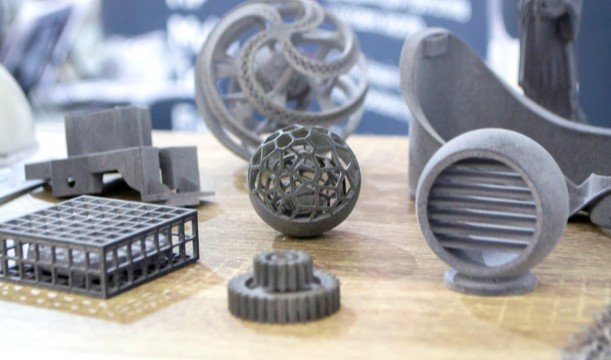
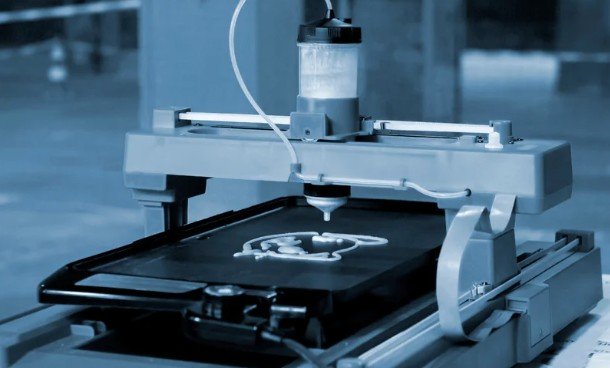
Custom printing creates objects from digital designs, building them layer by layer. Its biggest advantage is flexibility. You can request different dimensions, compartments, colors, and attachment points instead of settling for something that almost works.
Why Choose a Custom Accessory?
Standard organizers work well when their dimensions match your needs. Custom accessories become useful when a narrow shelf, unusual drawer, or specific device makes ready-made options awkward.
Customization can also improve accessibility. A larger grip or easier-to-reach holder may simplify a routine. You can apply the same practical approach when you participate in neighborhood improvement projects. The goal is a useful improvement, whether you live in a suburban house, downtown apartment, or compact rental.
Nine Practical Accessories for Everyday Spaces
1. Entryway Trays and Key Holders
A shallow catchall can separate car keys, sunglasses, and incoming mail without overwhelming a small console table.
Request compartments based on what your household brings through the door. A freestanding organizer is convenient for renters, while a mounted version needs suitable fasteners and a design appropriate for its intended load.
2. Cable Clips and Charging Stands
Cable holders keep charging cords from slipping behind nightstands and desks. Custom openings can accommodate different cord thicknesses, while a stand can include clearance for your phone case.
Measure the furniture edge if the holder clips onto it. Leave charging equipment ventilated, and avoid designs that pinch cords or sharply bend connectors.
3. Kitchen Drawer Inserts
A custom insert can give measuring spoons, reusable straws, and awkward utensils their own spaces. Modular sections make rearranging easier when your collection changes.
Measure the drawer’s interior and closing clearance. For kitchen projects, organizers for utensils and packaged goods are straightforward starting points. Direct food contact requires separate consideration of the material, printing process, and finished surface.
4. Bathroom Holders With Drainage
Toothbrush stands, soap trays, and grooming organizers can be designed around your actual products.
Prioritize drainage, removable sections, and access for cleaning. A holder that fits every bottle but traps water underneath creates another chore. For shower accessories, discuss moisture exposure, attachment reliability, and the weight of filled containers before ordering.
5. Remote and Controller Organizers
A living-room organizer can hold television remotes, streaming-device controls, and gaming accessories together.
Custom slots help prevent smaller remotes from disappearing inside oversized compartments. Rounded edges, a stable base, and protective pads can improve daily handling. Keep charging ports accessible if the organizer holds rechargeable devices.
6. Planter Sleeves and Garden Helpers
Decorative sleeves can coordinate mismatched nursery pots without requiring immediate repotting. Plant labels, propagation holders, and pot feet offer other practical possibilities.
Separate appearance from water management. Use a suitable inner container or tray, check for leaks, and keep drainage accessible. For porch accessories, tell the maker about direct sunlight and seasonal weather exposure.
7. Closet and Hobby Organizers
Custom trays can separate earrings, watchbands, sewing supplies, or craft tools. Compartments sized around your collection reduce wasted space.
In a garage workshop, holders can organize lightweight accessories and frequently misplaced bits. Labeling compartments makes returning items easier. Start with one section before commissioning enough organizers for an entire closet or workbench.
8. Small Replacement Knobs and Covers
A missing remote battery cover or unusual drawer knob can be difficult to replace through ordinary stores.
A printing service may reproduce suitable noncritical pieces from measurements, photographs, or an existing part. Fit matters more than appearance here. Avoid treating a printed substitute as automatically suitable for electrical protection, structural support, or other safety-related functions.
9. Personalized Décor With a Purpose
A textured tissue-box cover, engraved desk tray, or family-name organizer can combine decoration with daily usefulness.
Choose details that support handling and cleaning. If you want a vase, consider a removable watertight insert. Printed lighting accessories require careful compatibility and clearance checks; plastic should stay away from hot bulbs and exposed wiring.
How to Choose Materials and Design Features
When considering everyday uses for custom 3d printed home accessories, describe the environment before choosing a color.
PLA is commonly used for indoor decorative objects and organizers away from heat. PETG is often considered for functional accessories exposed to moisture. Outdoor applications may need materials selected for weather and sunlight resistance.
Material names alone do not establish performance. Wall thickness, layer orientation, attachment design, and printing quality also matter. Ask the maker to explain the proposed construction and any limitations.
What to Measure Before Ordering
Record the available width, depth, and height, including hinges, drawer slides, and neighboring objects. Photograph the location with a ruler visible.
Provide inches if convenient, but include millimeters when requested. Explain how you will insert, remove, clean, or charge the stored items. Request a fit test before ordering several identical pieces.
Is Custom Printing Worth the Cost?
Compare the full quote in dollars, including design work, printing, finishing, shipping, and revisions. A low material cost does not mean the finished accessory will be inexpensive.
Custom printing makes sense when fit or availability creates a clear benefit. For a basic organizer already available locally, a standard product may offer better value.
Frequently Asked Questions
1. What are the best everyday uses for custom 3d printed home accessories?
Drawer inserts, cable holders, bathroom organizers, planter sleeves, and remote trays are practical choices when custom dimensions solve a specific problem.
2. Do I need to own a printer?
No. You can commission a printing service; some makers also provide design assistance.
3. How should I clean printed accessories?
Follow the maker’s instructions and confirm dishwasher compatibility before exposing an item to high heat.
Make Your Space Work Better
I would start with one recurring frustration and measure carefully before ordering. A successful accessory earns its place through regular use. For me, the appeal is simple: a home that feels easier to manage, one small improvement at a time.