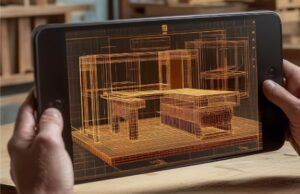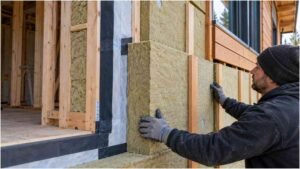
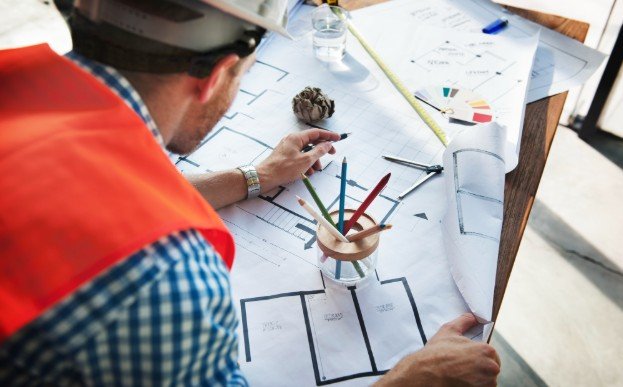
A replacement cornice can look convincing on a screen and still fail to meet the uneven wall waiting on site. That gap between appearance and fit is why I approach Scan-to-Fabrication Workflows for Architectural Restoration as a chain of checked decisions.
Capturing a historic feature starts the process; understanding its condition, reconstructing justified details, and preparing a buildable replacement complete it. This guide follows that journey while keeping original fabric, practical tolerances, and skilled craftsmanship central.
What Does Scan-to-Fabrication Actually Involve?
The process turns measured information from an existing architectural element into instructions for producing a physical component. Applications include replacing damaged plaster ornament, matching timber moldings, reproducing stone details, and creating patterns for casting.
A point cloud, mesh, CAD model, and manufacturing file serve different purposes. Captured data records visible conditions. Reconstructed geometry describes the approved replacement. Production instructions then guide machining, printing, or mold making. Understanding these distinctions prevents premature fabrication.
Define the Replacement Before Choosing a Scanner

Begin with the component’s purpose, material, location, and installation requirements. In a BIM to fabrication workflow, a decorative ceiling rose needs different information from a stone insert that must fit an irregular opening.
Agree on acceptable dimensional deviation, required surface detail, and critical interfaces before capture. Identify who approves the reconstruction and who checks the finished component.
Separate Detail From Accuracy
Dense geometry does not automatically prove dimensional accuracy. Similarly, BIM Level of Development describes model development rather than independently certifying survey precision. Specify measurement requirements separately and verify them against suitable reference measurements.
Capture the Building and Ornament at Appropriate Scales
Terrestrial laser scanning can document the broader building geometry. Structured-light scanning or carefully controlled photogrammetry can capture smaller ornamental features. Choose equipment according to access, surface characteristics, and the smallest detail that matters.
Plan overlapping capture positions and inspect coverage before leaving. Record hidden areas, reflective surfaces, inaccessible backs, and interruptions caused by scaffolding.
Protect Original Surfaces
Non-contact capture reduces handling, but access arrangements still require care. Avoid applying sprays, adhesive targets, or cleaning treatments to historic finishes without conservation approval. Capture installation openings and adjacent surfaces alongside the ornament.
Prepare Reliable Geometry From Raw Data
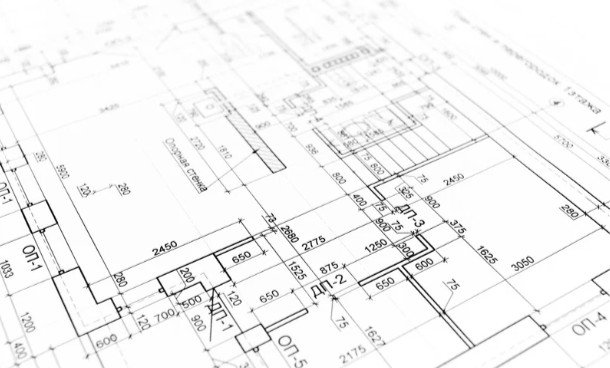
Processing normally includes registration, scale checks, noise removal, and inspection for gaps. Preserve an untouched copy of the original capture before editing.
Remove stray geometry carefully. Excessive smoothing can erase tool marks, shallow decoration, or evidence of earlier repairs. Hole filling also requires judgment: software-generated surfaces should not silently become historical evidence.
Check critical dimensions against independent measurements. Record units, coordinate systems, and processing decisions so the next specialist understands what the file represents.
Reconstruct Missing Features With Evidence
Effective Scan-to-Fabrication Workflows for Architectural Restoration distinguish surviving geometry from interpreted additions. Missing sections may be informed by matching components, archival photographs, drawings, or repeated patterns elsewhere in the building.
Mirroring can help recreate symmetrical ornament, but handmade features often contain meaningful variations. Confirm that symmetry is appropriate before applying it.
Keep the recorded condition and proposed reconstruction as separate files. Submit uncertain details for review, and document the evidence supporting each major addition. This makes approval clearer and future conservation easier.
Choose a Fabrication Method That Fits the Material
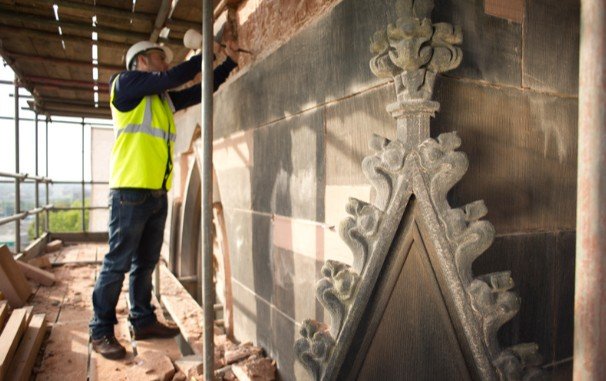
CNC Machining
CNC machining can reproduce suitable timber or stone geometry, subject to tool access, cutter size, stock dimensions, and workholding. Deep undercuts may require multiple setups, separate pieces, or hand finishing.
3D Printing and Mold Making
Printing can produce prototypes, replacement elements where suitable, or masters for casting. Material durability, fire performance, exposure, and conservation compatibility require assessment before permanent installation.
A printed master may support traditional plaster casting while retaining the advantages of digital reconstruction. Select the process around the approved material and service conditions.
Verify Production Files and Physical Fit
Confirm file units, orientation, geometry quality, and the fabricator’s preferred format. STL and OBJ commonly carry mesh geometry; editable CAD deliverables may be needed for machining preparation or dimensional changes.
A visually complete mesh still needs manufacturing review. Toolpaths, supports, shrinkage allowances, and mounting details depend on the chosen process.
Produce a prototype or critical test section before committing to expensive material. Check interfaces, joint clearances, proportions, and fixing positions. Inspect the finished component against agreed criteria, trial-fit it where practical, and allow for approved finishing work.
Frequently Asked Questions
1. What are Scan-to-Fabrication Workflows for Architectural Restoration?
They connect measured capture, digital reconstruction, manufacturing preparation, physical production, and installation verification to create replacement architectural components.
2. Can a phone scan produce fabrication-ready geometry?
It may help with preliminary documentation or some prototypes, but suitability depends on verified accuracy and detail. Critical interfaces need measurements appropriate to the specified tolerance.
3. Must every model be watertight?
Closed meshes are often necessary for printing and solid operations. Some machining workflows can use open surfaces, depending on the software and production strategy.
4. Does scanning replace traditional craftsmanship?
It supports measurement and reproduction. Craftspeople remain essential for material judgment, finishing, assembly, and adapting replacements to irregular historic conditions.
A Better Fit for the Future
I see the greatest value in a workflow that preserves evidence while making each production decision traceable. Reliable capture, justified reconstruction, material selection, and physical testing work together.
Before approving a replacement, I would ask whether its geometry is supported, its interfaces are checked, and its material suits the building. Archive the original scans, approved models, inspection results, and installation record. Those records help the next restoration team understand both what survived and what changed.